Cat litter packaging is usually multilayer plastic or laminated papertruck; This structure provides durability but makes recycling difficult. There are three ways to manage packaging correctly: Choosing single-layer and decomposable materials, buy big package (packaging rate per product decreases) and cleaning the empty packaging and separating it according to local rules. Packaging is a small but completely controllable item in cat litter's overall environmental impact — and cat litter from olive pits The packaging load naturally decreases in light products such as
What do you do with the empty bag left when the sand runs out? In most homes, the answer is "I throw it away." Better is possible — but first it is necessary to understand why packaging is so complicated.
Why multi-layered?
Cat litter packaging has three difficult jobs: carrying heavy content, keep moisture out And stack without tearing. These three requirements drive manufacturers towards multilayer structures.
- Moisture barrier. When sand gets wet, it loses its absorbency and may mold in herbal products. See mold.
- Mechanical strength. A package weighing 8-10 kilograms has difficulty during transportation.
- Printing surface. A smooth surface is required for labels and information.
- Carrying handle. It is added for user comfort; It is usually a different material.
What makes recycling difficult: Structures where different materials (plastic + paper + aluminum coating) are glued together are generally not considered suitable for recycling because they cannot be separated in facilities. Packages made from a single material are much more advantageous in this respect.
Packaging types
| Type | Advantage | Recycle |
|---|---|---|
| Single layer PE bag | Decomposable, lightweight | Generally suitable |
| Multilayer lamination | Durable, moisture proof | Difficult |
| Paper bag (lined inside) | Natural look | It is difficult if there is a coating |
| Cardboard box | It is easily separated | Suitable |
| Plastic bucket | Reusable | Convenient but heavy |
| Big sack | Less packaging per product | Depends on material |
Correct parsing
- Drain completelyPackaging with sand residue is not suitable for recycling.
- Shake or deleteClean the dust residue; There is no need to wash.
- Separate different ingredientsRemove the plastic handle, cardboard label and metal clips.
- See material markingCheck the recycling code on the packaging.
- Follow local rulesAccepted materials vary between municipalities.
- Fold and reduce volumeIt increases collection and transportation efficiency.
- If you're not sure, don't hesitate to ask.Improper parsing can spoil the entire batch.
Common mistake: Filling the used cat litter into its packaging and throwing it into the recycling bin. This is both problematic in terms of hygiene and contaminates the recycling batch. used sand into household garbage in a sealed bag. is thrown away; Empty packaging is evaluated separately. See How to dispose of cat litter.
Effect of package size
The easiest way to reduce packaging load is to reduce the amount of packaging per product. This is done by increasing the package size:
| How to take | Packaging rate | Note |
|---|---|---|
| Single small package | Highest | Available for trial |
| Single large package | Middle | Standard use |
| Multipack (2-4) | Low | Shipping also decreases |
| Bulk purchase | Lowest | Storage condition is required |
However, there is a condition for bulk purchase: the sand must be able to be stored in a dry and cool place. Deteriorated stock makes you lose many times more than you gain in packaging. See bulk purchase And how to store.
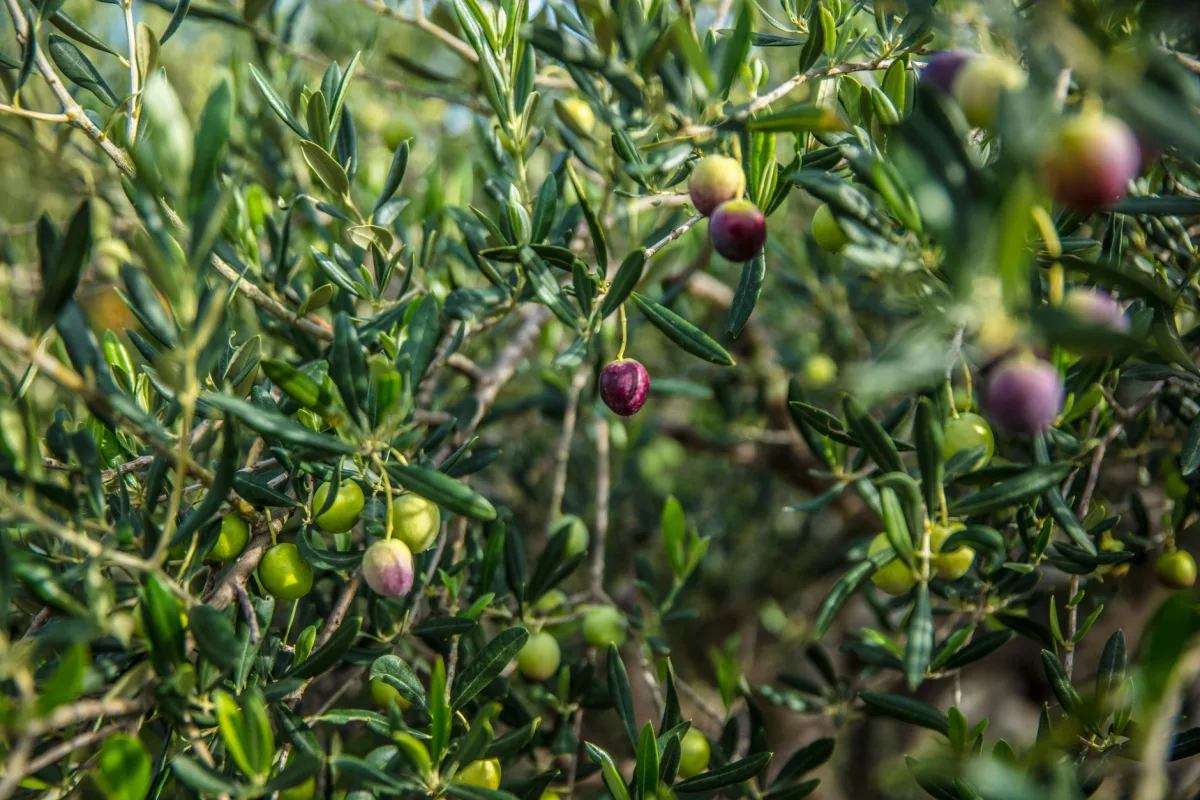
For lightweight products, the packaging load naturally decreases: less strength is required for the same volume. Cat litter from olive pits Vegetable sands such as have an advantage over mineral sands in this respect — weight and packaging are reduced together.
Reuse packaging
The step that comes before recycling is reuse. Practical ideas for empty sand packaging:
- Used sandbag. Use it to collect post-scooping waste.
- Storage. A sturdy bag for gardening equipment, shoes or winter gear.
- Carrying bag. Packages with handles are suitable for carrying heavy loads.
- Floor protection. It can spread during painting and repair work.
- Plastic buckets. It can be reused as a sand storage container — ideal if the lid fits tightly.
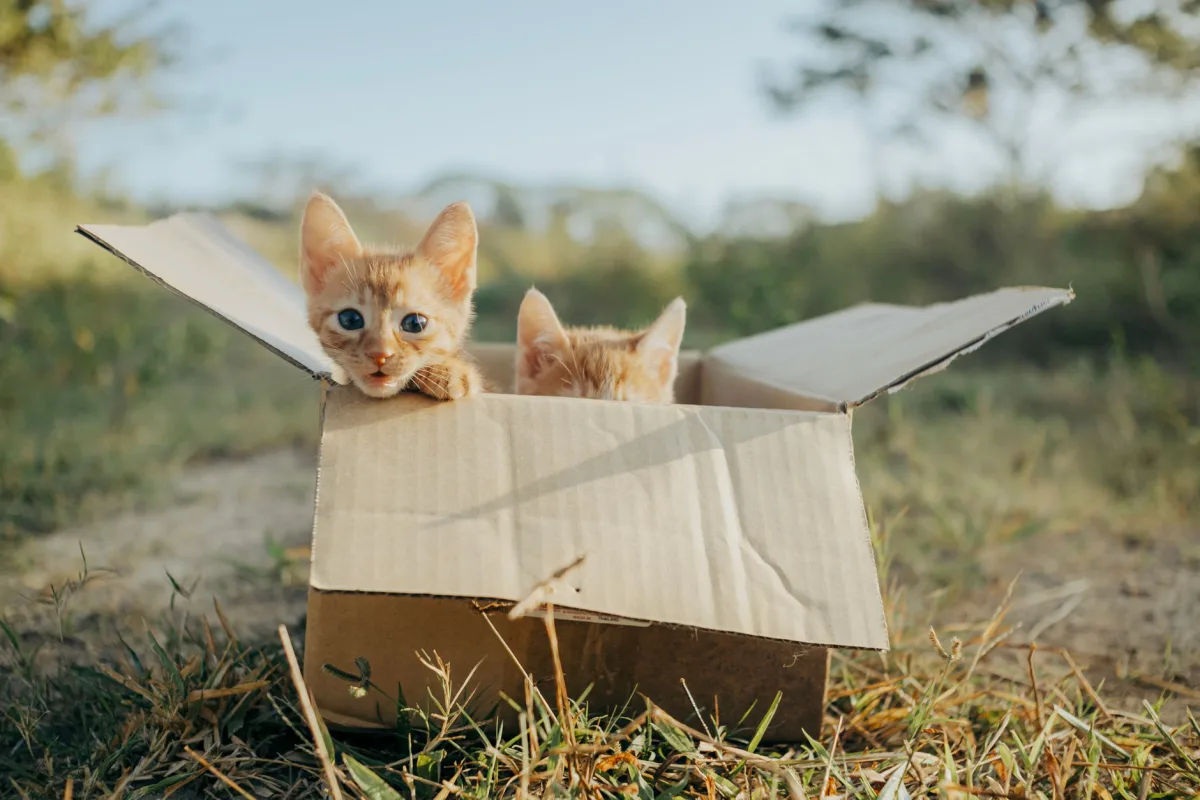
The most practical use: Keep the empty sandbag next to the sand container and throw post-scoop waste directly into it. When the bag is full, you close it and throw it in the trash. In this way, you will not waste additional bags and the packaging will take on a second duty.
Less packaging, less shipping
Four packsignificantly reduces the packaging and shipping burden per product.
Four-pack of cat litter for multi-cat homes double pack olive pit cat litter See all cat litters
Frequently asked questions
Is cat litter packaging recyclable?
It depends on the material. Single-layer plastic bags and cardboard boxes are usually suitable; Multilayer laminated packaging is generally not considered suitable because it cannot be separated in facilities.
What should I do before recycling the packaging?
Empty completely, shake off dust residue, separate different materials such as plastic handles and cardboard labels and sort them according to local rules.
Can I put used sand in its packaging and recycle it?
No. Used sand is thrown into the household garbage in a sealed bag; Empty packaging is evaluated separately. Dirty packaging spoils the recycling batch.
Is buying larger packages better for the environment?
Yes, the packaging and shipping burden per product is reduced. However, you must be able to store the sand in a dry and cool place; deteriorating stock reverses the advantage.
How can I use an empty sandbag?
The most practical use is to collect waste after scooping. It can also be used for storage, transportation and floor protection.
Related articles
Tags for this post

The team that produces sand in our production facility in Ayvalık turns the most frequently asked questions in the field into a guide. Health-related sections are general information; It is not a substitute for a veterinary examination.