The carbon footprint of cat litter consists of four items: raw material acquisition, production (especially drying), transportation and waste. Among these items, the two that the consumer can influence the most are weight of the product And how long does it last — because they both directly determine the annual shipment amount. Heavy sands from mining are at a disadvantage on this account; Light sands produced from agricultural by-products are advantageous. It would not be correct to give a concrete number as it will vary depending on the product and facility; however direction It is clear: light, local and productive sand means a lower footprint.
Why don't we give numbers? Carbon footprint calculation varies greatly depending on the production facility, energy source, transportation distance and usage habits. The uniform "kg CO₂" figures circulating on the internet are mostly unsourced. This text is instead of numbers. Which item weighs how much? and tells you what you can change.
Four pencils
| Pen | Contents | Consumer impact |
|---|---|---|
| Raw materials | Mining or agricultural by-products | By product selection |
| Production | Drying, grinding, sifting, packaging | Indirect |
| Transport | From plant to warehouse, from warehouse to home | With weight and distance selection |
| Waste | Collection, transportation, disposal | By consumption amount |
The common denominator of these four items is this: all scale with amount consumed. A house that consumes less sand per year produces less than one in four loads. That's why efficiency is the most practical lever of footprint.
The role of weight
Cat litter is a high value-for-weight product — meaning transportation accounts for a relatively large share of the total impact. Mineral sands such as bentonite are noticeably heavier than the same volume of vegetable sands.
- Fuel per shipment. Heavy product means more fuel for the same volume.
- Carrying home. Heavy packages are picked up more frequently and in smaller batches.
- Waste transportation. Used sand goes to waste with the same weight.
- Storage. Weight also affects shelf and warehouse capacity.
For practical comparison of weight difference cat litter weight You can look at our article.
The role of yield
Efficiency is the single variable that reduces the footprint the most because it shortens the entire chain: less production, less shipping, less waste. Determinants of efficiency:
- AbsorbencySand that absorbs a lot of liquid becomes saturated later.
- Clump integrityThe non-disintegrating lump prevents clean sand from being wasted.
- Odor controlEarly smelly litter leads to unnecessary early complete replacement.
- Usage habitRegular scooping extends the full replacement interval.
- Correct depthLess sand means both poor performance and rapid depletion.
Simple calculation: Double measure how many days a pack lasts. Find out how many packages you consume per year, multiply by the package weight of the product. You'll have a concrete annual mass figure against which you can compare different products — the best practical indicator of carbon footprint.
Direction by species
| Litter type | Raw material load | Weight | General direction |
|---|---|---|---|
| Olive pit | By-product (low) | Light | Low footprint |
| Pine pellets | By-product (low) | Light | Low |
| Paper | Recycling (low) | Very light | Low but limited efficiency |
| Tofu | By-product (medium) | Light | Medium-low |
| Corn and wheat | Agricultural product (medium-high) | Light | Middle |
| Crystal (silica) | Mining (high) | Light | Medium-high |
| Bentonite | Mining (high) | Heavy | High |
The situation of paper sands draws attention in the table: it is very advantageous in terms of raw materials and weight, but it is replaced more frequently because its absorbency and odor control are limited. This is a good example of how no single item defines the chart.
Ways to reduce footprint
- Choose sand produced from byproductsProducts that do not create demand for new raw materials.
- Choose lightweight productsThe payload is directly reduced.
- Choose local productionThe distance becomes shorter.
- Use efficient sandLess consumption shortens the entire chain.
- Scoop twice a dayExtends full replacement interval.
- Get bulk packageThe burden per shipment and packaging is reduced. See bulk purchase.
- Store correctlySand spoiled by moisture is completely wasted. See how to store.
- Separate the packagingSee packaging and recycling.
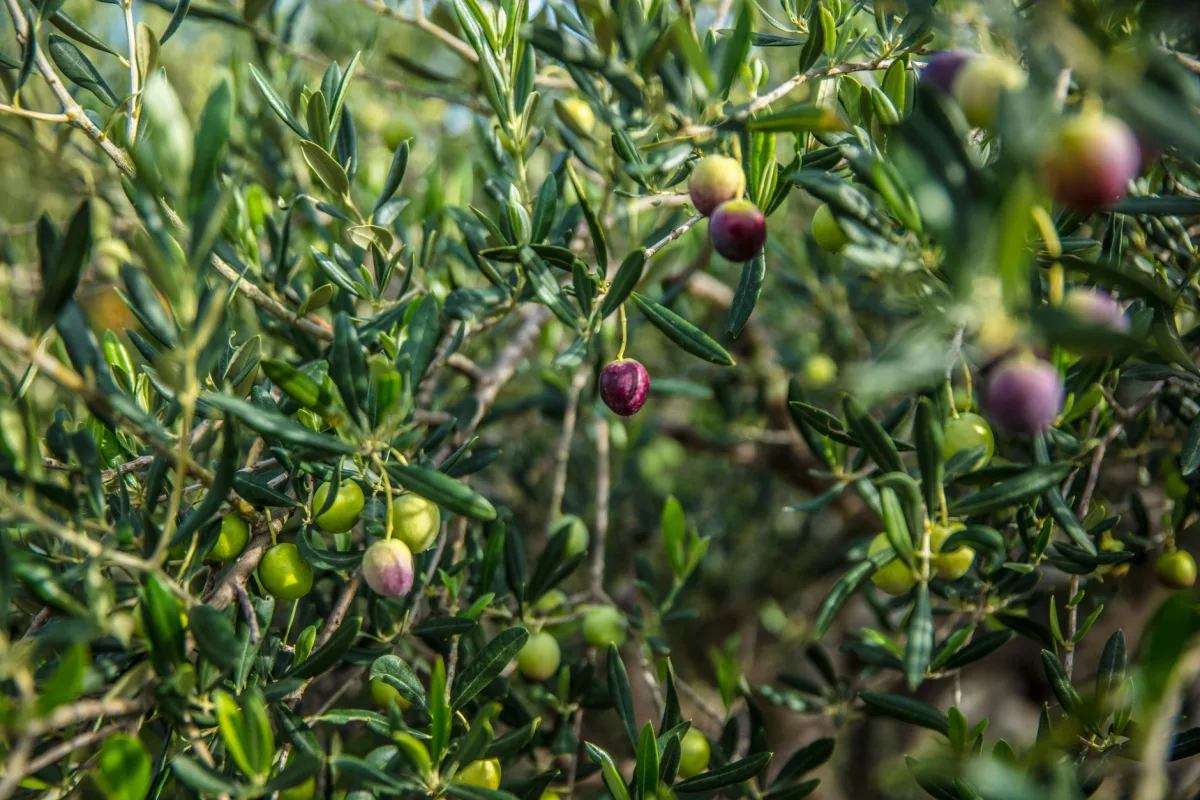
Cat litter from olive pits It meets several items on this list at once: it is produced from by-products, it is lightweight, it can be produced in Turkey and it is efficient thanks to its absorbency. For general framework sustainable cat litter See our article.
Then there's this: the cheapest way to reduce footprint doesn't actually require buying anything — regular scooping and the right depth of sand. on this cat litter from olive pits When a light and by-product product such as is added, both the beginning and the end of the chain are improved.
Light, domestic, efficient
Four pack It reduces both the load per shipment and the packaging rate.
Four-pack of cat litter for multi-cat homes 8 L olive pit cat litter See all cat litters
Frequently asked questions
How to calculate the carbon footprint of cat litter?
The sum of raw material acquisition, production, transportation and waste items. The exact figure varies depending on the production facility, energy source and transport distance; It would not be right to give a uniform number.
Which sand type has the lowest footprint?
Light sands produced from agricultural or forest by-product. Bentonite, which originates from mining and is heavy, is in the most disadvantageous group in this regard.
Why is the weight of the product important?
Transport emissions are directly proportional to weight, and used sand goes to landfill with the same weight. Cat litter is a product with a high weight/value ratio, so the transportation fee is large.
What can I do to reduce the footprint?
Choose a light and productive sand produced from by-product; extend the full replacement interval by scooping twice a day; Buy bulk packaging and store the sand protecting it from moisture.
Does bulk buying reduce carbon footprint?
Yes, as it reduces the burden on shipping and packaging — but only if you can store the sand properly. Deteriorating stock reverses the advantage.
Related articles
Tags for this post

The team that produces sand in our production facility in Ayvalık turns the most frequently asked questions in the field into a guide. Health-related sections are general information; It is not a substitute for a veterinary examination.