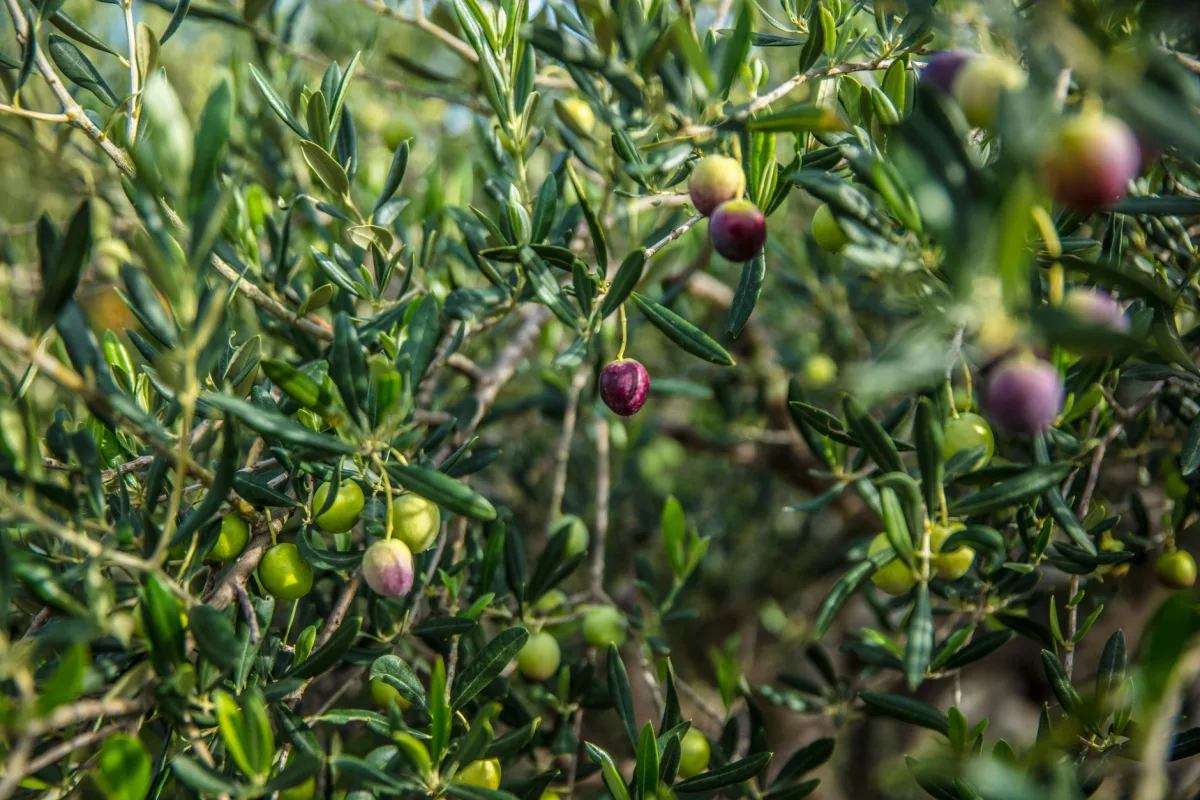
Olive oil production, in addition to oil, produces large amounts of solid byproduct leaves: pomace (pulp) and inside olive pit. When this material is not used, it is an environmental burden, and when it is used, it is a resource. Sunflower seed; fuel (biomass pellet), activated carbon raw material, composite filler and cat litter Can be used as. Cat litter from olive pitsis a concrete and everyday example of the circular economy: it does not create a new demand for raw materials, but turns an already created by-product into a product. This potential is local and large, as Türkiye is one of the world's leading olive producers.
In Ayvalık, olives are not just an agricultural product; a culture of production. So is the pile of seeds left by this culture every year. This article explains how that pile turned into a product.
By-products of olive oil production
Only part of the material that emerges when olives are pressed is oil. The rest:
| By-product | What does it contain | Use |
|---|---|---|
| Pomace (pulp) | Shell, flesh, core pieces | Pomace oil, fuel, fertilizer |
| Olive pit | Hard woody core | Biomass fuel, activated carbon, cat litter |
| Karasu | Liquid waste | Requires purification |
| Leaves and branches | Harvest residue | Feed, compost, extract |
The bean stands out specially on this list: its hard, woody and non-starchy structure makes it both durable and amenable to carbonation.
Why should it be evaluated?
- The quantity is large. Olive oil production is seasonal and intensive; By-products are also formed on the same scale.
- It creates storage problems. Unused organic material deteriorates and creates odor when it sits in a pile.
- It has economic value. It provides additional income to the producer.
- It creates local employment. Processing facilities are established in the production area.
- Prevents new resource demand. It replaces mining-sourced products that perform the same function.
International olive sector organizations consider the evaluation of by-products among the priority topics of the sector's sustainability agenda; for detail International Olive Council You can look at the sources. About olive growing practices in Turkey Olive Friendly Association And Ministry of Agriculture and Forestry sources may be guiding.
Usage areas of the core
- Biomass fuelIt is made into pellets and used for heating purposes; It has high calorific value.
- Activated carbon raw materialIts hard and porous structure is suitable for carbonization.
- Cat litterAn absorbent, light and natural granule is obtained.
- Composite fillingFilling material in plastic and resin mixtures.
- Abrasive granuleIt can be used instead of sand in surface cleaning applications.
- Agricultural practicesIn processed form, it can be considered as a soil conditioner.
Transformation into cat litter
The process of turning the seed into cat litter matches the natural properties of the material:
| Feature | Equivalent in cat litter |
|---|---|
| Porosity | High absorbency |
| Hard grain | Durability, low dust |
| Woody, non-starchy | Mold resistance |
| Lightness | Ease of transportation |
| Carbonizability | Odor control with activated carbon |
| Neutral scent | No need for perfume |
For details of production stages How is it produced?, for regional story From Ayvalık olives to cat litter You can look at our articles.
An honest note: Considering byproducts does not automatically make the product “zero impact.” The drying, grinding and carbonization stages consume energy; Packaging and transportation also count. Advantage, No new demand for raw materials arises and the material already exists.
Circular economy framework
Circular economy aims to turn the output of one process into the input of another process. Olive stone is a textbook example of this definition:
- HarvestOlives are collected.
- I'm tightOil is obtained; pomace and seed emerge.
- DecompositionThe seed is separated from the pulp.
- ProcessingDrying, grinding, sieving and carbonization.
- ProductIt is packaged as cat litter.
- UseIt is used in the litter box at home.
- DisposalIt turns into waste as a biodegradable organic material.
At the beginning of the chain there is a waste, and at the end there is a consumer good that has replaced a mining-based product. For general framework sustainable cat litter And bentonite mining See our articles.
The consumer side of this cycle is simple: every liter you put into your litter box comes from an olive press, not a mine. Cat litter from olive pits Choosing a choice makes an everyday habit part of a local recovery chain.
From the olives of Ayvalık
Olive pit cat litter, a circular product that utilizes the by-product of olive oil production.
8 liters of olive pit cat litter double 8 L olive pit cat litter All cat litter packages
Frequently asked questions
What by-products are formed in olive oil production?
Pomace (pulp), olive pit, black water and harvest residue leaves and branches. Each of these can be evaluated in different ways.
Where are olive pits used?
Biomass fuel, activated carbon raw material, cat litter, composite filler, abrasive granule and agricultural applications in processed form.
Why is olive pit suitable for cat litter?
Its porous structure provides high absorbency, its hard grain is durable and produces little dust, it is resistant to mold because it does not contain starch, and odor control can be achieved by carbonization.
Does production from byproducts make the product completely environmentally friendly?
No. Drying, grinding, packaging and transportation consume energy. The advantage is that no new demand for raw materials arises and the material already exists.
Why is this an example of a circular economy?
The output of one production process (olive pits) becomes the input of another product, replacing a product originating from mining.
Related articles
Tags for this post

The team that produces sand in our production facility in Ayvalık turns the most frequently asked questions in the field into a guide. Health-related sections are general information; It is not a substitute for a veterinary examination.