Bentonite, by open pit mining It is a type of clay that is mined. Environmental costs are grouped under three headings: land degradation (topsoil is removed, vegetation disappears), dust and water effects And non-renewable resource consumption. Added to this is the payload resulting from non-biodegradable waste and high weight after use. Cat litter is one of the biggest uses for bentonite — so this isn't a niche discussion. The alternative is produced from agricultural by-products. cat litter from olive pits products such as.
Bentonite cat litter is the most widely used type in the world. Its performance is good — but there's also the unseen side of the production chain behind it. This article looks that way.
What is bentonite and how is it extracted?
Bentonite is a clay mineral originating from volcanic ash. It swells and clumps when in contact with water — this is the source of its performance in cat litter. Removal is usually open pit method: the top soil layer is removed, the clay layer is reached and the material is excavated.
Bentonite is not only used in cat litter; It is in demand in many industries such as drilling mud, casting, ceramics and refining. But cat litter is one of the biggest items on the consumer side.
Environmental impacts
| Effect | How is it formed? |
|---|---|
| Land degradation | Topsoil and vegetation are removed |
| Habitat loss | Living spaces in the mine area are destroyed |
| Dust emission | Excavation, transportation and grinding stages |
| Water effects | Changes in surface and ground water flow |
| Energy consumption | Excavating, drying and grinding |
| Transport emission | Heavy product, high fuel consumption |
| Resource depletion | A non-renewable reserve |
Rehabilitation issue: Site rehabilitation (reorganization and planting of the land) after mining activity is an obligation regulated by legislation and reduces the impact. However, rehabilitation does not mean returning the removed topsoil and established ecosystem verbatim; recovery takes a long time.
For environmental liabilities of mining activities and regulations regarding land use in Turkey Ministry of Agriculture and Forestry sources may be guiding.
After use
The environmental story of bentonite does not end at the quarry. The post-use phase is even more decisive for the consumer:
- It is not biodegradable. Clay does not dissolve in nature; It accumulates permanently in the landfill.
- It is heavy. More mass for the same volume means load in both transportation and waste volume. See cat litter weight.
- It cannot be poured into the toilet. It clogs the plumbing due to its swelling feature. See Does it pour into the toilet?.
- It cannot be composted. Since it is not organic, it does not contribute to the soil.
For disposal methods How to dispose of cat litter You can look at our article.
Alternatives
The common feature of products that can replace bentonite is Do not create demand for new raw materialsis:
| Alternative | Source | Main advantage |
|---|---|---|
| Olive pit | Olive oil by-product | Waste recycling, lightness |
| Pine pellets | Forest byproduct | Economical, biodegradable |
| Paper | Recycle | Recovery, very light |
| Tofu | Soy byproduct | Biodegradable |
| Corn and wheat | Agricultural product | Biodegradable but competitive with food |
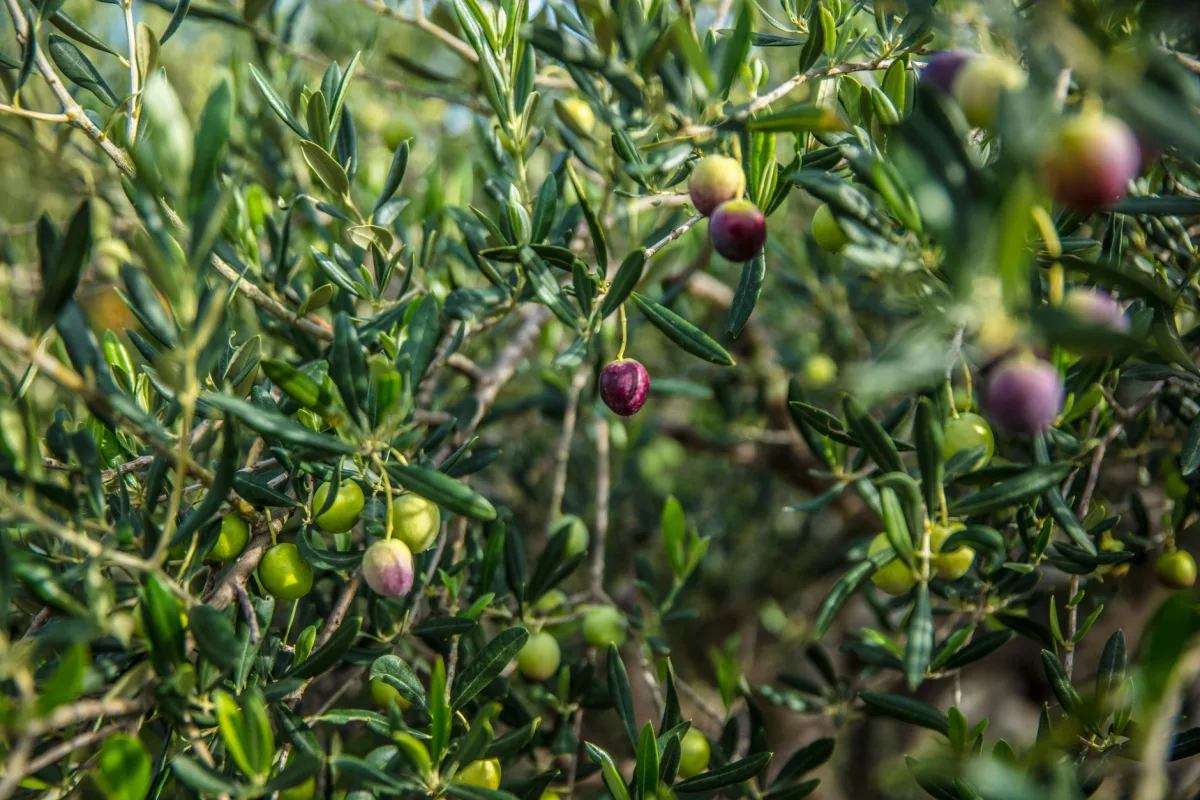
Olive pits have a special place in this list: As a result of olive oil production in Turkey, a large amount of seeds are produced every year, and if not evaluated, they remain as waste. For the process recycling of olive waste See our article.
Balanced view
The real advantages of bentonite: Fast and strong clumping, wide availability and low price. These are real reasons for the millions of cat owners who use this product and should not be underestimated. The discussion here is not about performance, resource and waste It is a discussion.
Vegetable sands also have their weaknesses: the risk of mold in starch-based ones (mold), clumping performance falling behind bentonite in some products and generally higher liter price. An honest comparison should include these; for full table comparison chart And olive pit or bentonite? See our articles.
The main criterion to consider when making a decision is not the price of a liter is the total cost of use and the total impact. A sand that is consumed less, is light and comes from by-products provides advantages in three items: cat litter from olive pits fits this definition.
Not from the mine, but from the byproduct
Olive pit cat litter It does not require the opening of a new mine, but the evaluation of an already formed by-product.
8 liters of olive pit cat litter 5 kg pine pellet cat litter All cat litter packages
Frequently asked questions
How to extract bentonite?
Usually with open pit mining: the top soil layer is removed, the clay layer is reached and the material is excavated. It is then dried and ground.
What are the environmental impacts of bentonite mining?
Land degradation and habitat loss, dust emissions, changes in water flow, energy consumption and non-renewable resource depletion. Since it is a heavy product, transportation emissions are also high.
Is bentonite cat litter biodegradable?
No. Clay has a mineral structure; It does not dissolve in nature and accumulates permanently in landfills.
What can be used instead of bentonite?
Vegetable sands produced from agricultural or forest by-product: olive stones, pine pellets, paper and tofu-based products.
Does bentonite have no advantages?
There is. Fast and strong agglomeration, wide availability and low price are its real advantages. The debate is not about performance, but about resources and waste.
Related articles
Tags for this post

The team that produces sand in our production facility in Ayvalık turns the most frequently asked questions in the field into a guide. Health-related sections are general information; It is not a substitute for a veterinary examination.