The answer to the question of how cat litter is produced varies depending on the raw material. Olive stone cat litter production It consists of six stages: sifting the pomace coming from olive oil factories and separating the seed, washing to remove oil residue, drying to reduce the moisture content, grinding and sifting to obtain homogeneous granules, enrichment with activated carbon and packaging to prevent moisture. Because the process turns food industry waste into consumer product circular economy is considered an example.
The quality of a cat litter largely depends on the production discipline. A very good or very mediocre product can be produced from the same raw material; What makes the difference is the drying temperature, grain size control and active carbon ratio. In this article, we unpack the process step by step.
Raw material: what is pomace?
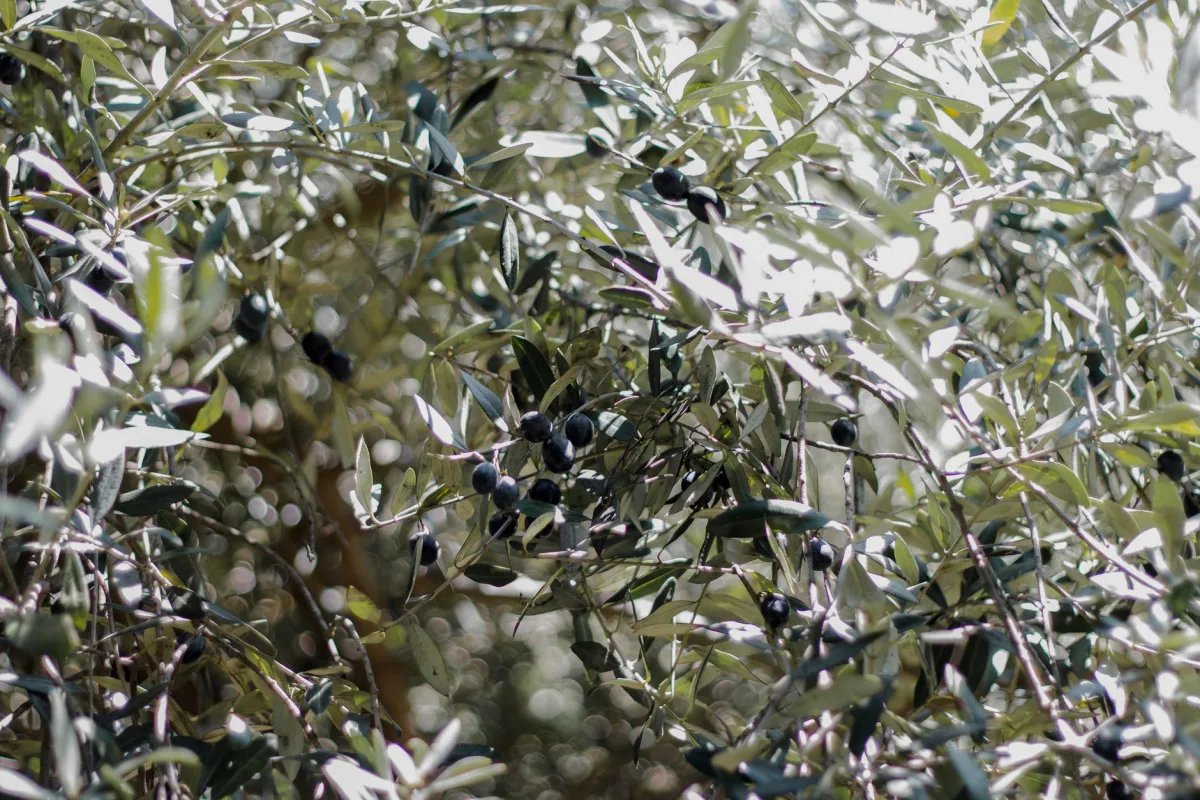
In olive oil production, olives are crushed and the oil is separated. The remaining solid part olive pomace It is called (olive pulp). Pomace consists of two components: the pulp of the fleshy part of the olive and the hard inner core pieces.
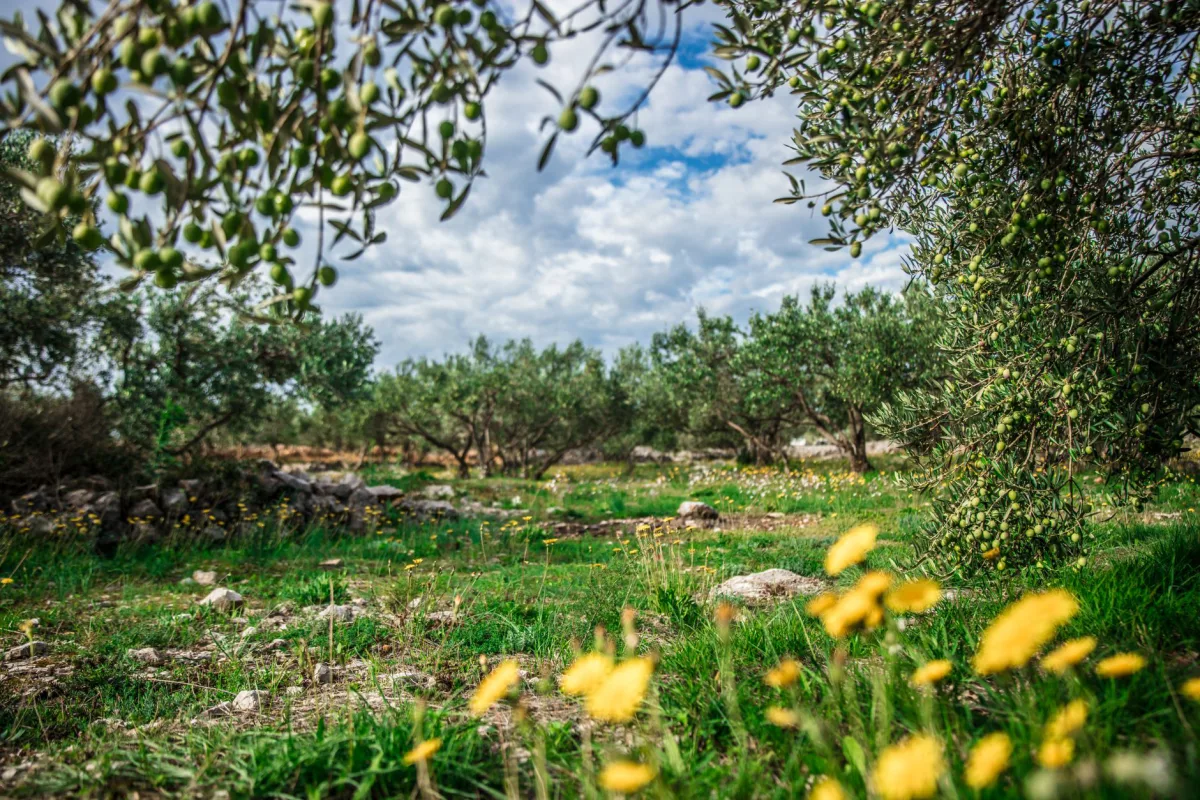
Türkiye, International Olive Oil Council According to data, it is one of the world's leading olive producers. Pomace, which emerges every harvest season, was traditionally used as a fuel or animal feed additive. Cat litter production adds a new value chain to this flow.
Why core? The flesh of the olive is oily and soft; Not suitable for cat litter. The hard inner core, on the other hand, is both durable and naturally porous thanks to its lignocellulosic structure — meaning it absorbs liquid.
Production stages
- Separation (sifting)The pomace is sifted to separate the seeds and meat from each other. Only the hard core fraction is taken for cat litter production. At this stage, foreign matter cleaning is also done.
- Washing and degreasingThe oil and pulp residue remaining on the seed surface is cleaned. If this step is skipped, the product will smell on its own and its absorbency will decrease as the oil film clogs the pores.
- DryingThe beans are dried until the moisture content drops to a very low level. Drying is the most critical stage that determines product life: if moisture remains mold There is a risk that absorbency will be permanently weakened.
- GrindingThe dried seeds are ground. The degree of grinding directly determines the grain size; This affects whether the cat accepts the litter and its clumping power.
- Sifting and sizingThe ground material is sieved and brought into a homogeneous granule distribution. Very fine fraction means dust and is separated; Too large a fraction disrupts paw comfort. See Why is grain size important?.
- Enrichment with activated carbonInto granules activated carbon is mixed. This is where the characteristic dark mottled appearance of the sand comes from and much of the scent performance is determined at this stage.
- PackagingThe product is packaged to prevent moisture. The packaging itself is also evaluated for recycling; see packaging and recycling.
4 variables that determine quality
| Variable | If done wrong | If done right |
|---|---|---|
| Degreasing | The product smells, absorbency decreases | Pores remain open, no odor |
| Drying | Mildew, loss of absorbency | Long shelf life, high absorbency |
| Grain size | Dust increases or paw becomes uncomfortable | Cat accepts, clumps well |
| Activated carbon rate | Odor control remains poor | Ammonia is retained effectively |
These four variables explain why different quality products come out of the same raw material. When purchasing, it is a good preliminary check to check the amount of powder, the homogeneity of the granules and whether the product has its own odor. See Selection list with 12 criteria.
Why circular economy?
Conventional cat litter production extracts a resource from the ground: bentonite, a non-renewable clay obtained by open-pit mining. With olive pit sand, the situation is the opposite — the raw material is already a by-product that must be disposed of.
Achievements
- New natural resources are not consumed
- Agricultural waste is brought back into the economy
- The product is biodegradable after use
- Domestic raw materials, short supply chain
Borders
- Depends on raw material harvest season
- Drying requires energy
- Used sand is still waste
- It is not appropriate to pour it into the toilet.
The issue in a broader context recycling of olive waste And sustainable cat litter We discussed it in our articles. For comparison environmental cost of bentonite mining you can look.
It is produced in Ayvalık
HK Cat Litter is a 100% natural, activated carbon cat litter produced from the by-product of Ayvalık olive cultivation.
Frequently asked questions
What is olive pit cat litter produced from?
It is produced from the hard olive pit inside the pomace left over from olive oil production. The core is sorted, washed, dried, ground and enriched with activated carbon.
Are chemicals used in production?
No chemical flocculants, synthetic perfumes or colorants are used. The process consists of physical processes (separation, washing, drying, grinding) and activated carbon, a natural additive.
Why is drying so important?
Moisture is the main cause of both mold and mildew loss. An inadequately dried product may not maintain its performance throughout its shelf life and may deteriorate in storage.
At what stage of production is activated carbon added?
After grinding and sieving is completed, it is mixed into granules just before packaging. The dark spotted appearance in the sand comes from this stage.
Are raw materials available in all seasons?
The olive harvest is seasonal, so the pomace also emerges seasonally. Continuity in production is ensured by storing dried beans under appropriate conditions.
Related articles
Tags for this post

The team that produces sand in our production facility in Ayvalık turns the most frequently asked questions in the field into a guide. Health-related sections are general information; It is not a substitute for a veterinary examination.