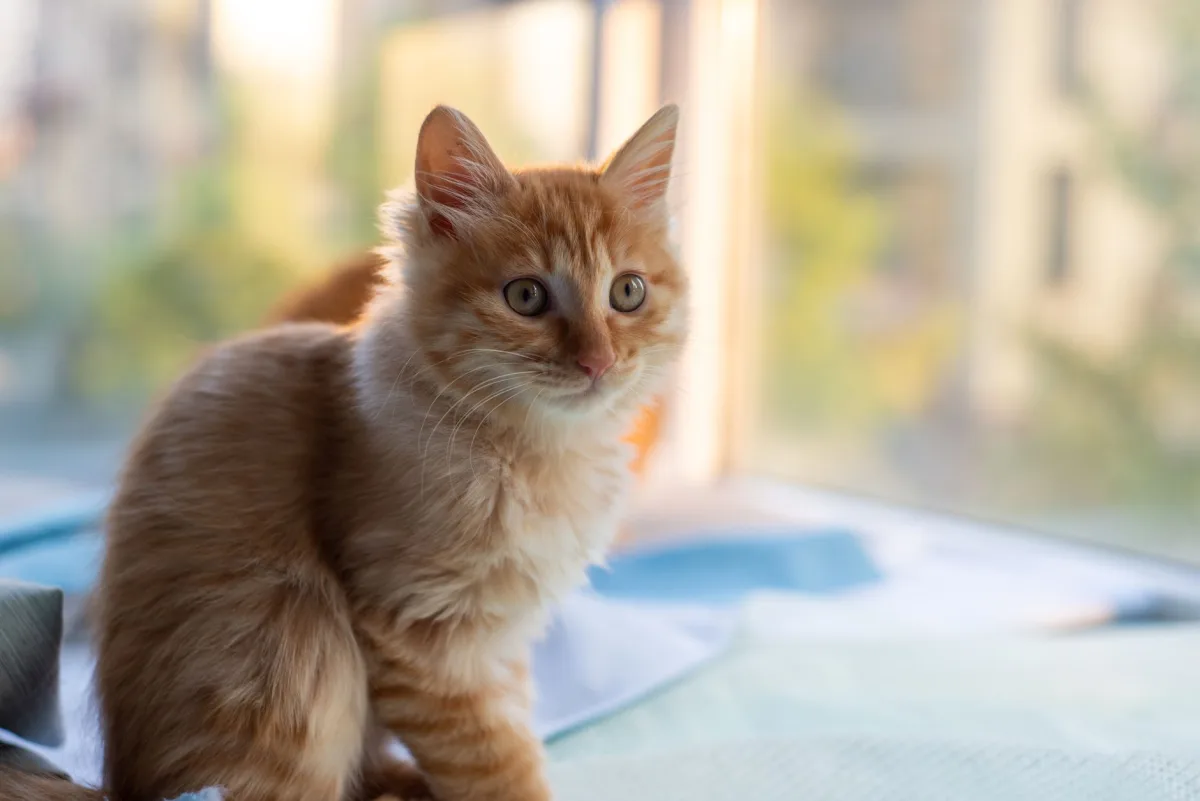
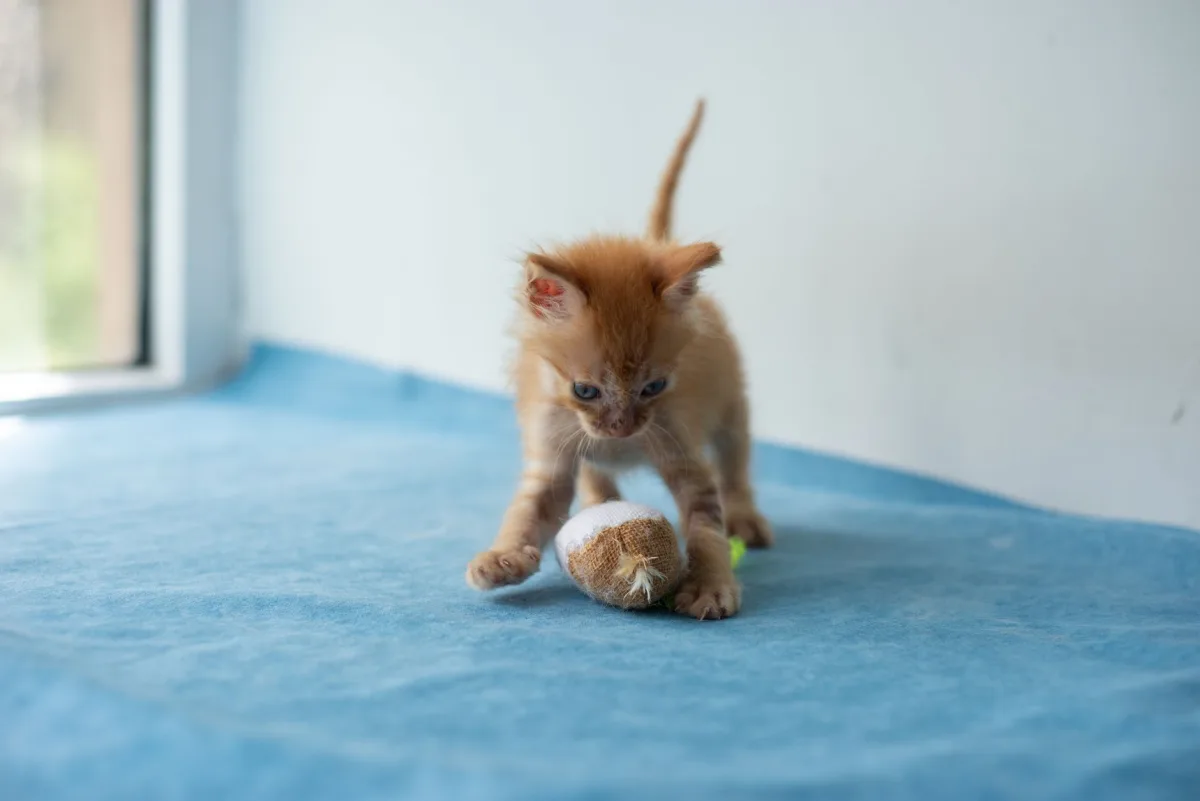
Don't panic just because the kitten is eating the litter. Kitten taking a few grains of sand into its mouth is exploratory behavior and usually goes away in a few weeks. However eating litter regularly and in quantity is not normal; It may indicate nutritional deficiency, anemia, or intestinal parasites and requires veterinary evaluation. The most important precaution to be taken during this period Switching to a non-clumping sand — does not form a mass when swallowed. Punishing doesn't work; It alienates the cat from the container and disrupts toilet training.
Important: If it is accompanied by vomiting, loss of appetite, weakness, constipation or abdominal bloating, consult a veterinarian without delay. This article is for informational purposes.
Is it normal or not?
| Behaviour | Review |
|---|---|
| Put one or two in your mouth and don't leave it alone | Exploration, usually normal |
| Sniffing and licking the sand | It's common, watch it |
| Swallowing sand regularly | Must be evaluated |
| Tendency to use the bowl instead of food | Vet |
| With vomiting or constipation | Urgent evaluation |
| Do not eat soil, paper or fabric | Suspicion of pica, veterinarian |
Practical measure for discrimination: behavior Does it decrease in a few weeks?, or Is it increasing or remaining constant?? If it decreases, exploration is required; if it continues, evaluation is required.
Possible causes
- Exploratory behavior. Kittens know the world through their mouths; This is the most common explanation.
- Early separation from the mother. Sucking and mouthing behavior may continue in kittens who are separated from their mothers too early.
- Nutritional deficiency. Inappropriate or inadequate food for the age.
- Anemia. Anemia is associated with a tendency towards soil and sand-like substances.
- Intestinal parasites. It is very common in kittens and impairs absorption.
- The smell of sand. Food-based sands such as corn and wheat may be of interest.
- Boredom. Repetitive behaviors increase in a stimulus-free environment.
Frequently skipped detail: The smell of food-based litter (corn, wheat) is attractive to some kittens. In a kitten with litter eating behavior, changing the litter type alone can make a significant difference.
Risks
Why it should be taken seriously:
• Clumping sand forms mass when in contact with liquid; carries the risk of accumulation in the digestive system
• Large amounts of swallowed sand may cause intestinal obstruction.
• In contact with sand, urine and fecal residue
• The underlying parasite or anemia condition remains untreated
• The condition worsens faster in kittens than in adults.
What to do?
- Switch to non-clumping sandPaper-based pellet or coarse pellet sands. This is the fastest and most effective measure.
- Go to the vetStool analysis and general examination; parasite and anemia evaluation.
- Check nutritionAge appropriate kitten food and sufficient quantity.
- Implement the parasite programFollow your veterinarian's schedule.
- Increase game timeTwo short sessions per day; stimulation reduces mouthing behavior.
- Keep the litter box cleanThe lingering time in the container is shortened.
- Observe, do not punishPulling the kitten from the container has a negative connotation.
- Keep recordsHow often, how much — take concrete information to the vet.
What to record?
Observing for a few days before going to the vet significantly speeds up the examination. Note the following: how many times a day the behavior is repeated, how long it stays in the bowl, whether it actually swallows or puts it in its mouth and releases it, whether its appetite and stools are normal, whether it also puts other items (paper, fabric, soil) in its mouth. These five headings are the information the physician needs most in distinguishing between exploratory behavior and pica.
Sand during this period
While sand eating behavior continues, the only criterion is safety. Paper-based pellet sands are the standard choice of this era because they do not clump when swallowed; Coarse-grained pine pellets also work because they are difficult to put in the mouth.
Once the behavior is completely gone (usually within a few weeks), you can return to your normal routine. At this stage cat litter from olive pits It is also logical to choose a litter that does not contain chemical additives, such as cat litter, in terms of daily contact with the cat by licking its paw. For the entire sand selection which litter for kittens See our article.
International Cat Carerecommends that medical causes be excluded first in repetitive and unusual eating behaviors; behavioral regulation comes next. For its equivalent in adult cats pica You can look at our article.
Let's clarify one more point: sand eating behavior is not caused by the poor quality of the sand. However, sands of food origin (corn, wheat) may increase interest with their smell. Therefore, even after the behavior has passed, it is a woody and non-starchy product. cat litter from olive pitsprovides a neutral backdrop that is not associated with food.
After the behavior has passed
When the blowjob is over 100% natural, additive-free olive pit cat litter You can move on gradually.
7.5 liters of olive pit cat litter 5 kg pine pellet cat litter All cat litter packages
Frequently asked questions
Is it normal for a kitten to eat litter?
Putting one or two grains in your mouth and releasing them is an exploratory behavior and usually goes away in a few weeks. Regular and abundant litter eating is not normal and requires veterinary evaluation.
If the kitten eats litter, which litter should I use?
Non-clumping paper-based pellet sands or coarse pine pellets. They are the safest options during this period as they do not form mass when swallowed.
When does sand eating behavior disappear?
If it is caused by discovery, it usually subsides within a few weeks. If it increases or remains constant, a medical cause should be investigated.
Should I prevent the kitten from eating litter?
Do not punish or force the captain out of the way; This leads to negative associations with the litter box. Instead, change the type of litter and increase the stimulation.
When should I go to the vet for my litter-eating kitten?
If the behavior is regular and accompanied by vomiting, loss of appetite, weakness or constipation, go without delay. Routine parasite control should already be done.
Related articles
Tags for this post

The team that produces sand in our production facility in Ayvalık turns the most frequently asked questions in the field into a guide. Health-related sections are general information; It is not a substitute for a veterinary examination.