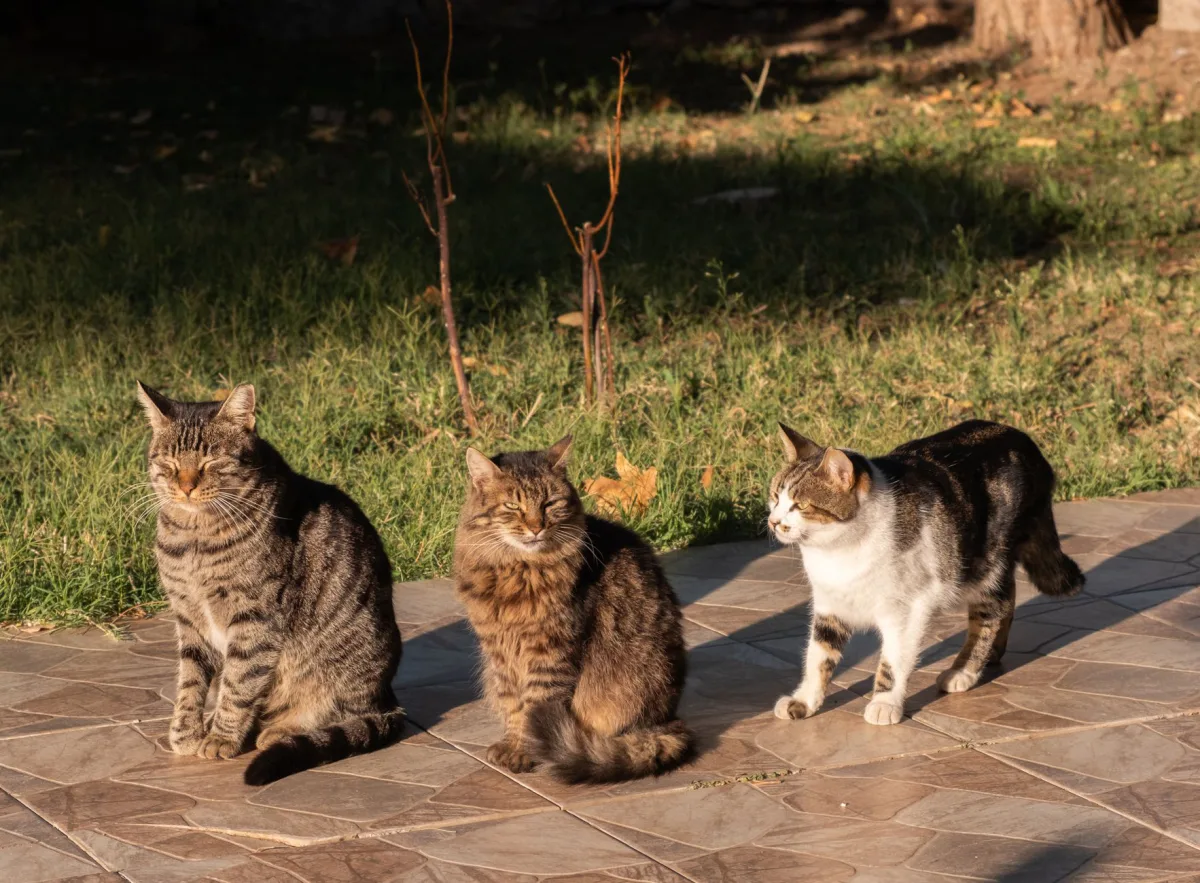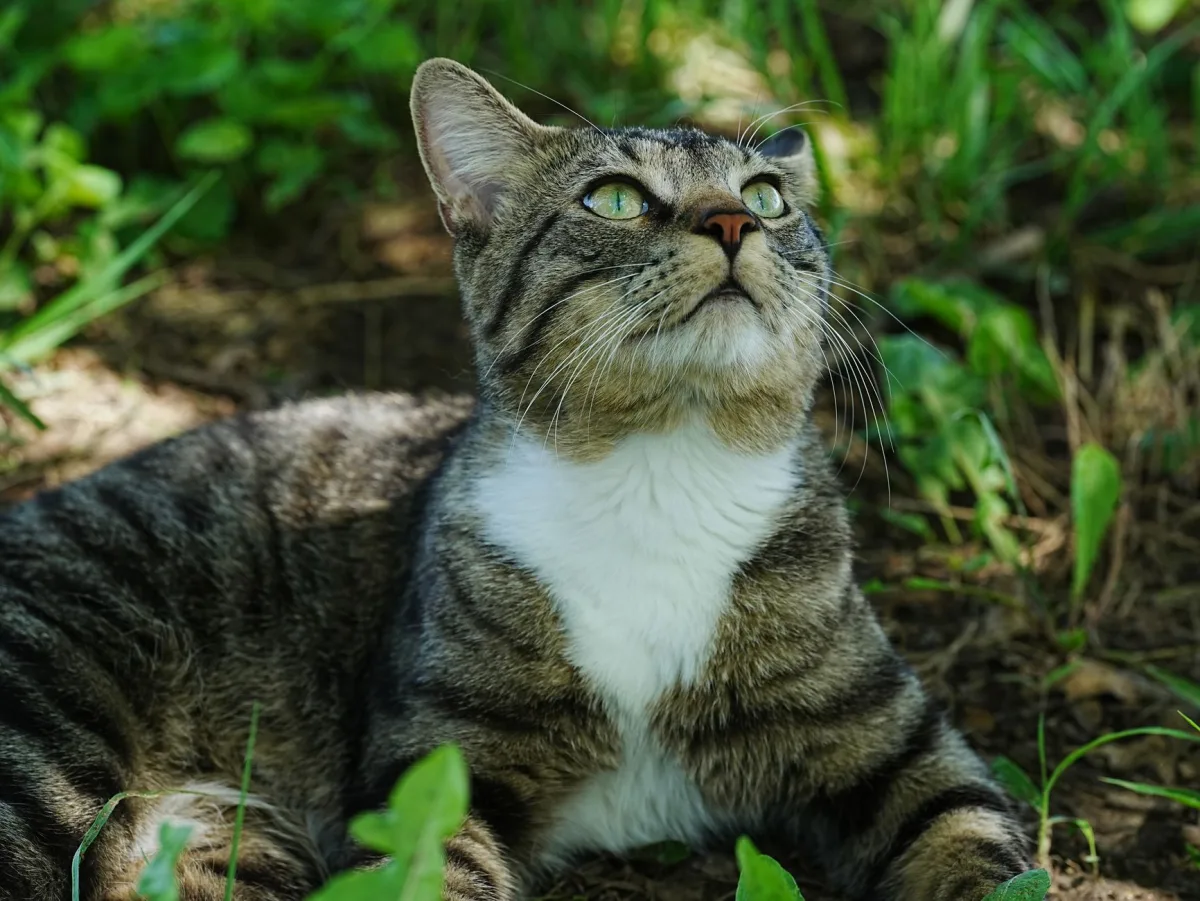
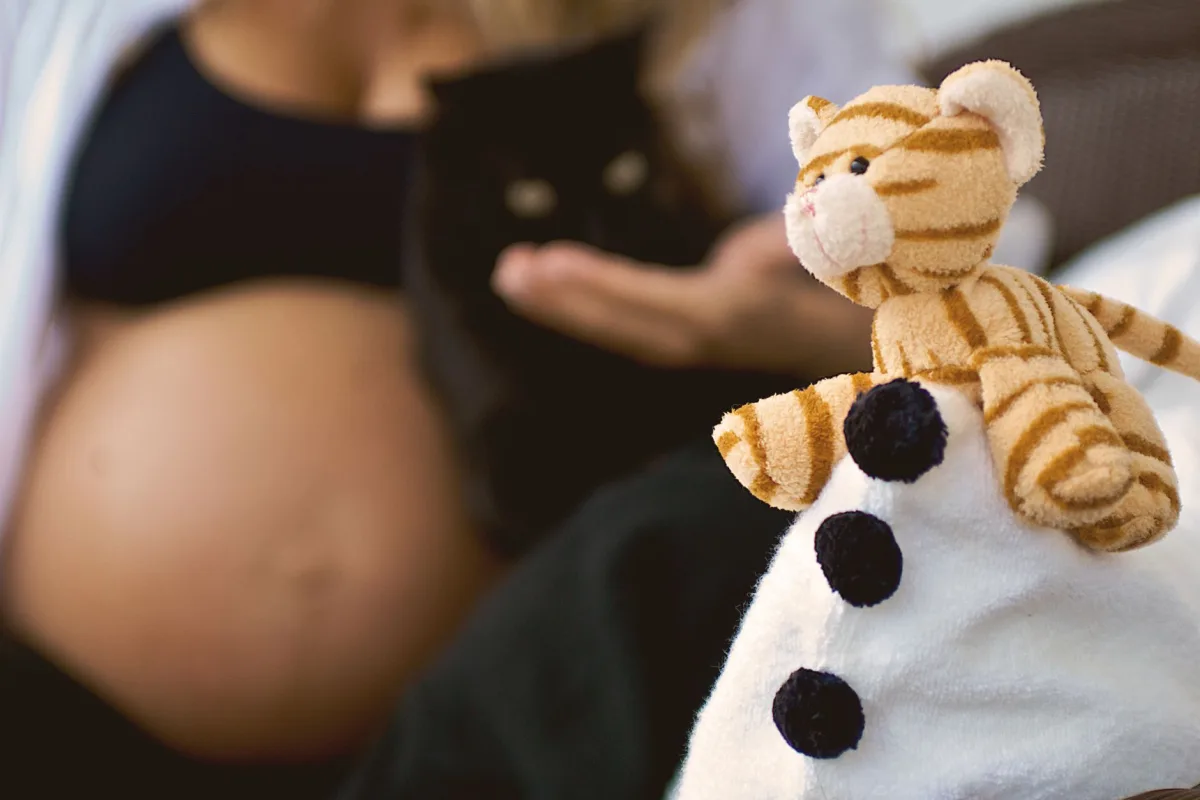
Taking the cat out of the house during pregnancy not necessary. The risk of toxoplasma is not due to the presence of the cat. from contact with infected feces It is born and disappears almost completely with simple precautions: If possible, have someone else clean the litter box, if it is to be cleaned, use gloves and every day be done and then wash your hands with soap. Parasite cysts in feces fall into the litter tray becomes contagious within a day or more — daily scooping closes this window. In addition, the most common way of transmission of toxoplasma is not cats, but undercooked meat and unwashed vegetables.
Almost every cat owner who gets pregnant is told to "get rid of the cat." This advice is unscientific and leads to the unnecessary adoption of countless cats each year. What is the real risk, how to manage it - let's look at it calmly and with accurate information.
Important: This article is for general information purposes and is not a substitute for medical advice. If you are pregnant or planning to become pregnant, talk to your own doctor; Request serological testing if necessary.
What is Toxoplasma?
Toxoplasma gondiiis a single-celled parasite found widely throughout the world. In healthy adults, it is often asymptomatic or causes a mild flu-like condition. Risk, First infection during pregnancy and for immunocompromised individuals.
The cat's place in the cycle
Cats in the life cycle of the parasite definitive mansion is in the role; The parasite completes its reproduction phase only in the feline intestine and the oocyst (cyst) is excreted in the feces. But there are a few critical details:
- The cat does not continue to excrete oocysts throughout its life. It is usually excreted for a limited period after initial infection.
- Fresh feces are not contagious. It takes a day or longer in the litter box for oocysts to sporulate and become infectious.
- House cats are low risk. A cat that does not go outside, does not eat raw meat, or does not hunt is unlikely to become infected.
- Stroking the cat does not spread it. Transmission is through feces; Transmission through contact with feathers is not an expected route.
The sum of these four items is this: the risk faced by a pregnant person living with a house cat in a household that engages in daily scooping is quite low.
Main routes of transmission
| Path | Weight | Precaution |
|---|---|---|
| Undercooked or raw meat | High | Cook the meat thoroughly |
| Unwashed vegetables and fruits | High | Wash thoroughly |
| Contact with soil (garden) | Middle | Work with gloves |
| Dirty kitchen surfaces and knives | Middle | Prevent cross contamination |
| Infected cat feces (soaked) | Low-medium | Daily scooping, gloves |
| Caress the cat | Too low | Hand washing |
Garden soil is higher on the list than cat litter: outdoor cats defecate in gardens, and oocysts can survive in the soil for a long time. Using gloves when gardening during pregnancy is as important as litter box precautions.
Precautions during pregnancy
- Have someone else clean the litter boxIf possible, let someone from the household take over. This is the simplest and most effective measure.
- If not possible, use glovesDisposable gloves, followed by hand washing with soap.
- Scoop every dayOocysts become infectious within a day or more; Daily cleaning does not fill this period at all.
- Keep the cat insideCats that do not hunt or go outside reduce the risk of infection.
- Do not give raw meat to your catRaw meat is the primary way a cat becomes infected.
- Cook the meat thoroughlyThis is the most important way of transmission on the human side.
- Wash vegetables and fruits wellSoil residue may carry oocysts.
- Wear gloves in the gardenAvoid direct contact with soil.
- Talk to your doctorGet serological testing if necessary; If you have immunity, the picture changes completely.
Institutions such as the World Health Organization and the European Food Safety Authority are primarily responsible for toxoplasmosis. food safety treats it as its subject; for detail WHO And EFSA You can look at the sources. For the cat health side International Cat Care And Cornell Feline Health Center are reliable sources.
The role of litter choice
Sand type does not directly change the risk of toxoplasma — it is the frequency of cleaning that determines. However, it has an indirect contribution: A sand that is easy to scoop with its lumps remaining makes daily cleaning sustainable. A job that takes three minutes every day will not fail; A job that takes fifteen minutes every day is disrupted.
Cat litter from olive pits It facilitates the daily routine with both its clumping performance and dust-free structure. The dust issue is also important; It is reasonable to reduce unnecessary particle exposure during pregnancy. See cat litter dust And clumping.
The same goes for the household members who take over the litter box during pregnancy: a litter that makes the job easier will ensure that the daily routine is not disrupted. Double pack, sufficient to maintain order without interruption in double-covered houses.
Sand that makes daily cleaning easier
The lump remains whole, the powder is low cat litter from olive pits With it, daily scooping is reduced to just a few minutes.
8 L olive pit cat litter double pack olive pit cat litter See all cat litters
Frequently asked questions
Is it necessary to take the cat out of the house during pregnancy?
No. The risk arises from contact with infected feces, not from the presence of the cat. Delegating litter box cleaning to someone else, daily scooping and hand hygiene reduces the risk to a very low level.
Can I clean cat litter while pregnant?
If possible, someone else should do it. If necessary, use disposable gloves and do it every day, then wash your hands thoroughly with soap.
Why should cat litter be cleaned every day?
Parasite cysts excreted in feces become contagious within a day or more after falling into the litter box. Daily cleaning removes the waste from the environment without expiring this period.
What is Toxoplasma most commonly transmitted by?
The most common ways are undercooked or raw meat and unwashed vegetables and fruit. Contact with soil is also an important pathway; cat litter is further down the list.
How do I know if my cat carries toxoplasma?
Your veterinarian can recommend appropriate tests. House cats that do not go outside, do not eat raw meat, and do not hunt are less likely to become infected.
Does petting a cat transmit toxoplasma?
It is not an expected route of transmission. Transmission is caused by feces; However, washing hands after contact with a cat is a good habit for general hygiene.
Related articles
Tags for this post

The team that produces sand in our production facility in Ayvalık turns the most frequently asked questions in the field into a guide. Health-related sections are general information; It is not a substitute for a veterinary examination.