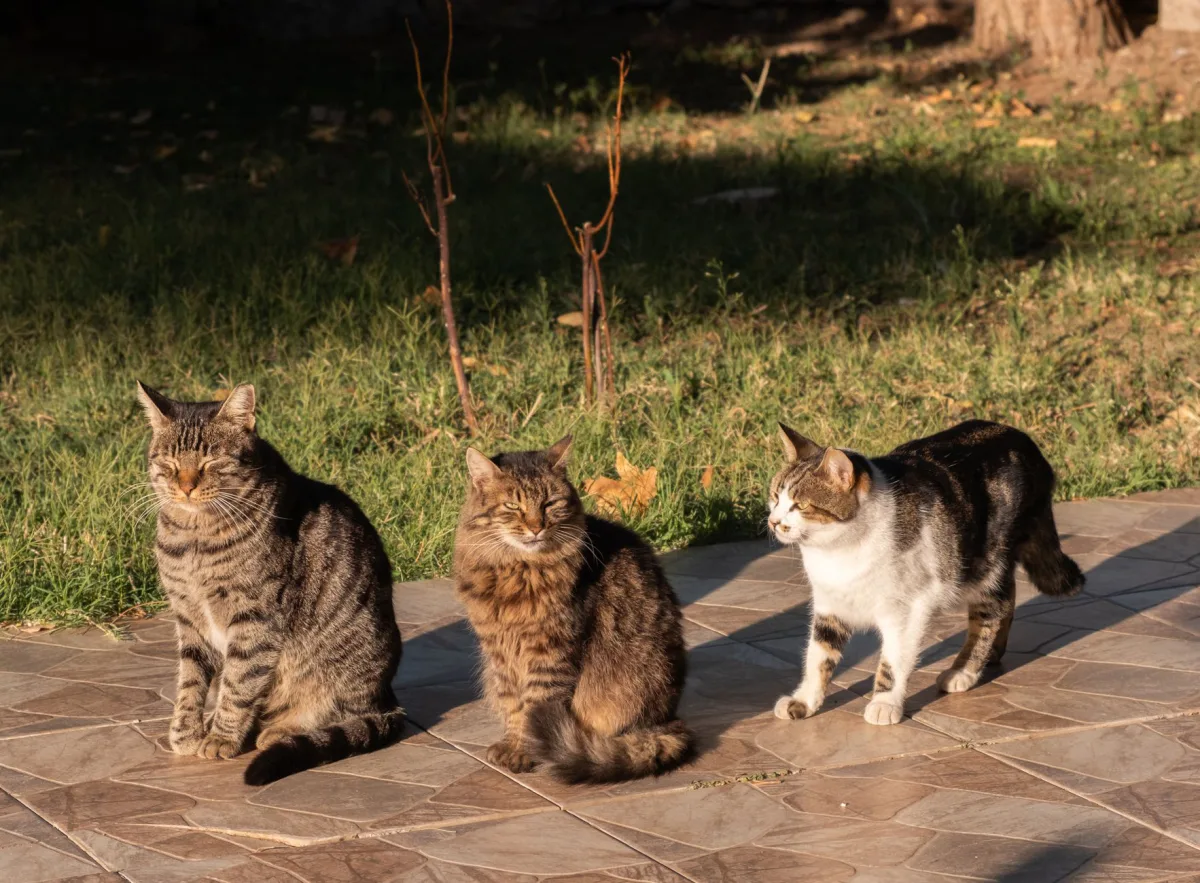
Cat litter powder is good for both cats and humans. may irritate the respiratory tract; It increases complaints in asthmatic cats and allergic people. Dust also sticks to the paw, is swallowed when the cat licks itself, and spreads throughout the house. The dustiest category is fine-grained bentonite and low-quality clay sands; cat litter from olive pits Screened vegetable sands such as these produce significantly less dust. Practical ways to reduce dust are: pouring the sand slowly, using a deep container, and placing the sand container in a ventilated area.
That gray cloud that rises as you pour sand into the litter box looks harmless. However, the issue of inhaled particles is one of the least talked about but most important topics in cat litter selection.
Where does dust come from?
Dust is very small particles formed during the production and transportation process of sand. It has three sources:
- Production surplus. If the fine particles formed during grinding are not sieved sufficiently, they enter the package.
- Transport friction. As the grains rub against each other in the package, new powder is formed. Long transportation and rough handling increase dust.
- Usage wear. As the cat digs and scoops, the grains crumble. Hard-grained sands are more durable at this stage.
How much risk, for whom?
| Who | How does it affect | Symptom |
|---|---|---|
| Asthmatic cat | Respiratory irritation | Cough, wheezing, increased frequency of seizures |
| Kitten | Smaller lung volume | Sneezing, watery eyes |
| Senior cat | Decreased respiratory reserve | Post-exertion strain |
| Allergic person | Particle exposure | Sneezing, runny nose, itchy eyes |
| Asthmatic person | Trigger particle | Cough, chest tightness |
| Healthy adult cat | Generally tolerates | Sneezing with intense exposure |
Lower respiratory tract diseases (including feline asthma) in cats are a known problem, and indoor particles can be a trigger. Cornell Feline Health Centerconsiders reducing indoor triggers as part of treatment in cats with asthma. Readers whose cats are coughing and wheezing should first consult a veterinarian and then make home arrangements.
For allergy size on human side cat litter human allergy And hypoallergenic cat litter You can look at our articles.
Dust by sand type
| Litter type | Dust level | Note |
|---|---|---|
| Olive pit | Low | Hard, woody grain; When sifted well, there is less dust |
| Pine pellets | Low-medium | As the pellet disperses, sawdust is formed |
| Tofu | Low | Pellet form limits dust |
| Paper (pellet) | Low | It is preferred in the postoperative period |
| Corn and wheat | Middle | Starch dust may form |
| Crystal (silica) | Middle | Broken crystals create dust |
| Bentonite (good quality) | Medium-high | Brand difference is big |
| Bentonite (cheap, fine-grained) | High | Dustiest category |
One note: "dust-free" refers to no visible dust clouds in normal use; It is not based on a standard laboratory measurement. You can do the real test while opening the package and pouring sand. See Is olive pit sand dust-free?.
8 ways to reduce dust
- Pour slowlyPour the sand slowly, keeping it close to the edge of the container, not high up.
- Use deep bowlThe high-sided container reduces both dust spreading and scattering. See choosing the box.
- VentilateOpen the window during sand change.
- Wear a maskIf you have allergies, a simple mask when changing sand makes a serious difference.
- Stay away from sand that produces dustCheap fine clay sands are the largest source.
- Do full changes less oftenComplete replacement is less necessary when scooping regularly; The dustiest moment is complete change.
- Use a litter matIt keeps the dust stuck to the paw at the door. See litter mat.
- Keep the sand drySand that absorbs moisture and dries crumbles more easily. See how to store.
Practical tip: Do the litter change when the cat is not in the room and ventilate it for 10-15 minutes after you are done. The most easily implemented precaution is to keep the cat out of the environment until the dust settles on the ground.
Silica dust issue
In clay and silica based sands, the dust contained crystal silica Particles are considered risky for the lungs in long-term and intense exposure in the occupational health literature. Exposure in the home environment is incomparably lower than in the industrial environment; However, for a cat owner who paddles twice a day, reducing overall exposure is a reasonable choice.
To say it without exaggeration: There is no daily evidence that indoor cat litter dust causes disease in a healthy adult. The logic here is not a definite danger, reducing unnecessary exposure logic — especially if there is an asthmatic cat or allergic individual.
Vegetable sands are excluded from this discussion; The powder they contain is of organic origin and does not contain crystalline silica. For a full comparison of sand types comparison chart.
In a house sensitive about dust sifted olive pit cat litter or in pellet form pine pellets Two reasonable starting points are; Neither contains crystalline silica.
Solve the dust problem from the beginning
Cat litter from olive pits It has a dust-free structure with its hard and woody grain; does not contain crystalline silica.
single 8 L natural cat litter compact 7.5 L natural cat litter All cat litter types
Frequently asked questions
Is cat litter powder harmful?
It may irritate the respiratory tract with intense and continuous exposure. It is especially important for asthmatic cats, kittens, older cats and people with allergies; Casual exposure is generally tolerated in healthy adults.
Which cat litter produces the least dust?
Well-sifted vegetable sands and products in pellet form create the least amount of dust. The dustiest category is fine-grained, low-quality clay sands.
Is dust-free cat litter really dust-free?
The term "dust-free" is used to mean that the sand does not create visible dust clouds in normal use; No bulk material is 100% particle-free on a laboratory scale. The real test comes when you pour the sand.
My cat has asthma, which litter should I use?
Consult your veterinarian first. In general, low-dust pellets or well-sifted vegetable sands are preferred; Perfumed products should be avoided.
Should I wear a mask when changing sand?
If you have allergies or asthma, yes, a simple mask makes a significant difference. Also ventilate the environment during sand change.
Related articles
Tags for this post

The team that produces sand in our production facility in Ayvalık turns the most frequently asked questions in the field into a guide. Health-related sections are general information; It is not a substitute for a veterinary examination.