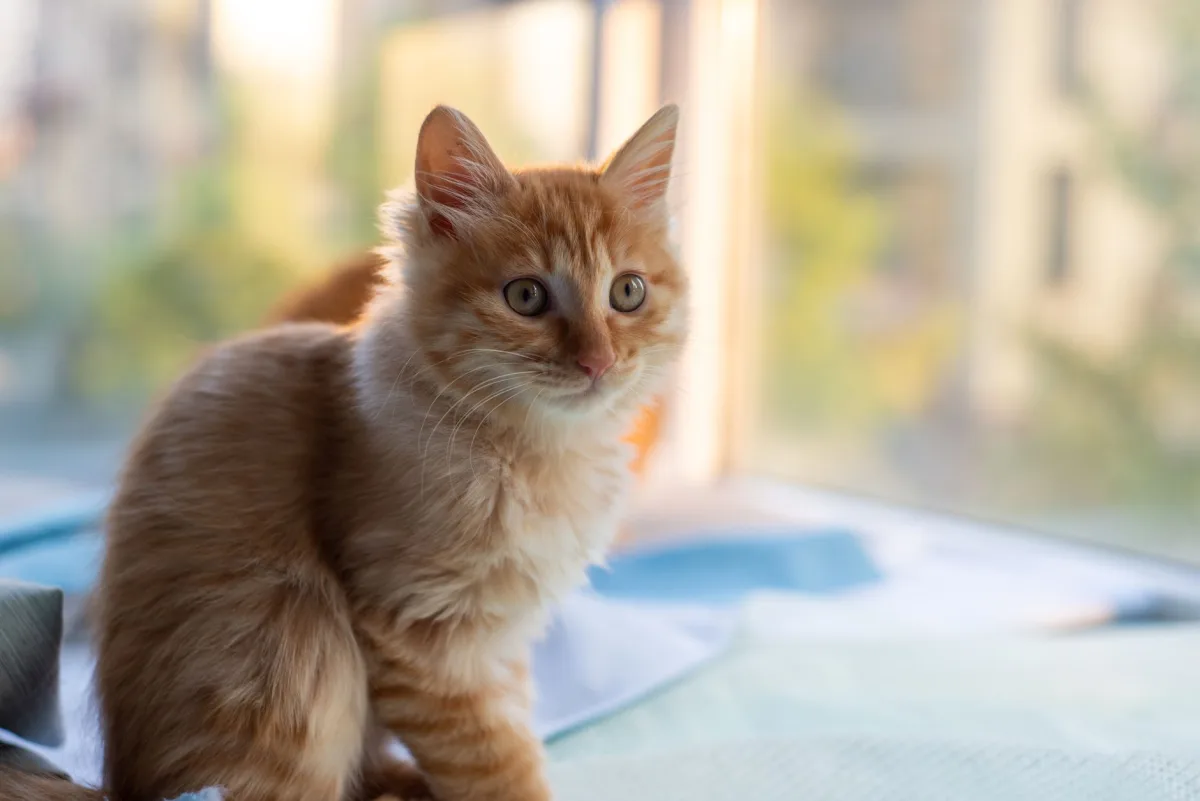
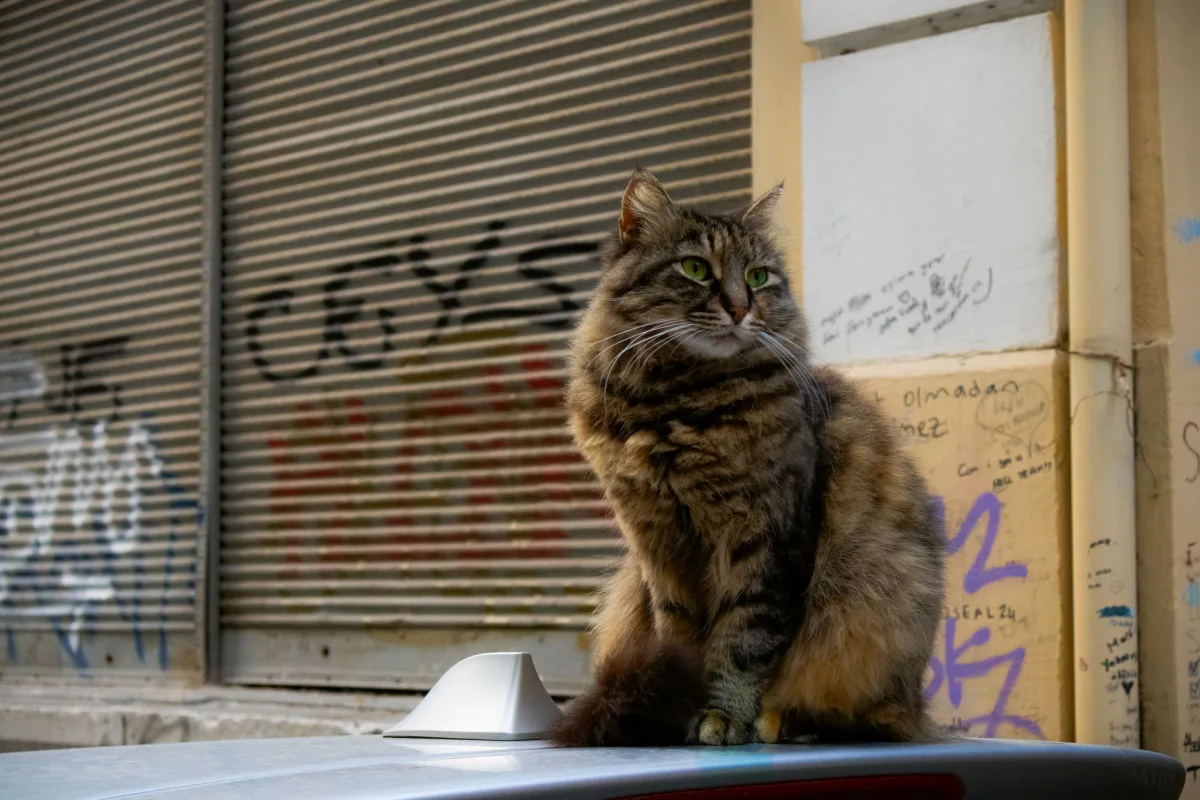
Sand training often progresses faster than expected in stray cats. It is generally assumed that a stray cat gets used to the litter box. it is easy — because the cat already has the habit of burying in the ground; The only thing new is the space. The key three steps: starting in a small room, using fine-grained sand that resembles soil And take your time. Every stray cat taken home must also undergo veterinary inspection; Parasites, diarrhea and infections are decisive for both health and toilet routine. Oppression and punishment irreversibly disrupt the trust-building process.
First step veterinarian: A stray cat taken into the house requires quarantine and examination for the household and other cats, if any. Parasite, infectious disease screening and vaccination schedule should be planned by the veterinarian.
Why is it not as difficult as thought?
Cats living on the street do not go to the toilet randomly: they look for soft soil, sand or plant bottoms, dig them and cover them. Well behavior is already establishedStop. The only thing he needs to learn when he is taken home is to maintain this behavior in a certain container.
In adult stray cats, the process is often even faster than in kittens — as long as the cat feels safe.
Preparation and quarantine room
- Set aside a separate roomBathroom or small room. The large space strains the new cat and makes it difficult to find the container.
- Place the container in a visible placeIn the corner of the room, where he can see it from where he's hiding.
- Give a hiding placeA box or covered area. No habit can be established without trust.
- Put food and water awayIt should not be in the same corner as the litter box.
- Choose the container lowAccess should be easy for a cat of unknown age and condition.
- Keep it quietAvoid visitors and noise in the first days.
- Leave it to him to approachForced contact delays trust.
Why does small space work? In a large house, a new cat finds many places to hide and cannot find the litter box. In one room, the container is always in view; The cat goes there at the first moment of need. The area is gradually expanded as trust is established.
Sand selection: proximity to soil
Texture familiar to the stray cat soil and fine sandStop. Therefore, in the first stage, fine or medium grained, natural looking sands are preferred. Things to avoid:
- Perfumed sands. A smell he had never encountered on the street; increases the likelihood of rejection.
- Very large pellet forms. In the first stage, foreign income; It prolongs the adaptation period.
- Crystal sands. It is unfamiliar in sound and texture.
It is a natural, perfume-free and medium-grained product. cat litter from olive pits has a suitable texture for this transition; Being of plant origin, it also keeps its smell neutral. For the effect of grain size on acceptance grain size See our article.
Here's a trick if there's resistance: Sprinkle a thin layer of clean garden soil over the bowl, gradually reducing the soil once the cat starts using the bowl. This is a simple and effective bridge that carries the familiar scent into the container.
Step by step process
- Veterinary checkQuarantine, parasite screening, vaccination plan.
- Start in one roomHave a bowl, food, water and a hiding place ready.
- Show the container onceGently place the cat in the container; Do not force it.
- Step away and watchDon't stare; privacy gives confidence.
- Keep the litter box cleanBut do not sterilize completely in the first days — its own smell makes the container familiar.
- Clean accidents with enzymesThe remaining scent attracts the same spot again.
- Expand the area graduallyOnce the container starts to be used regularly, open another room and add a second container.
- Fix the routineKeep feeding times and cleaning routine predictable.
Stress situations
| Status | Approach |
|---|---|
| Doesn't use the container at all | Narrow the field, try a ground bridge |
| He does it next to the container. | The container may be small or less sand |
| Always hiding | Give it time; move the container closer to its hiding place |
| Only uses at night | It is normal, it changes as confidence increases |
| I have diarrhea | Vet; see diarrhea |
| Marking | Sterilization and regional tension should be evaluated |
| There is another cat in the house | Separate containers, gradual introduction |
If there is another cat in the house, the introduction process is a separate issue and should not be rushed; for resource sharing rules multi-cat home And how many cats how many cats See our articles. International Cat Care, emphasizes the importance of gradual space expansion and segregation of resources in newly arrived cats.
In the long run, the best litter for cats coming from the street is litter that preserves its natural texture and does not add odor. Cat litter from olive pits It is of vegetable origin and does not contain perfume; Staying with the same product after adopting the cat bowl helps maintain a permanent sense of trust.
Earthy, perfume-free texture
Olive pit cat litter With its natural and perfume-free structure, it offers a familiar ground for cats coming from the street.
8 L olive pit cat litter double pack olive pit cat litter See all cat litters
Frequently asked questions
Can a stray cat learn the litter box?
Yes, usually easily. Cats living on the street already have the habit of burying in the ground; The only thing he needs to learn is to do it in a container.
What should I do first when taking a stray cat home?
Veterinary check and quarantine. Then prepare a litter tray, food, water and a hiding place in a single room; expand the area gradually.
What should I do if he doesn't use the litter box?
Narrow down the space, place the container in a visible location, and sprinkle a thin layer of clean soil over the sand to create a familiar texture. As you start using a cat bowl, reduce the amount of soil.
Which litter is suitable for a stray cat?
Natural sands that resemble soil, medium or fine grained, unperfumed. Perfumed products and crystal sands increase the chances of rejection at the first stage.
How long does it take to get used to it?
Most cats start using the bowl within a few days. The process of establishing trust can take weeks; The most important rule is not to rush.
Related articles
Tags for this post

The team that produces sand in our production facility in Ayvalık turns the most frequently asked questions in the field into a guide. Health-related sections are general information; It is not a substitute for a veterinary examination.