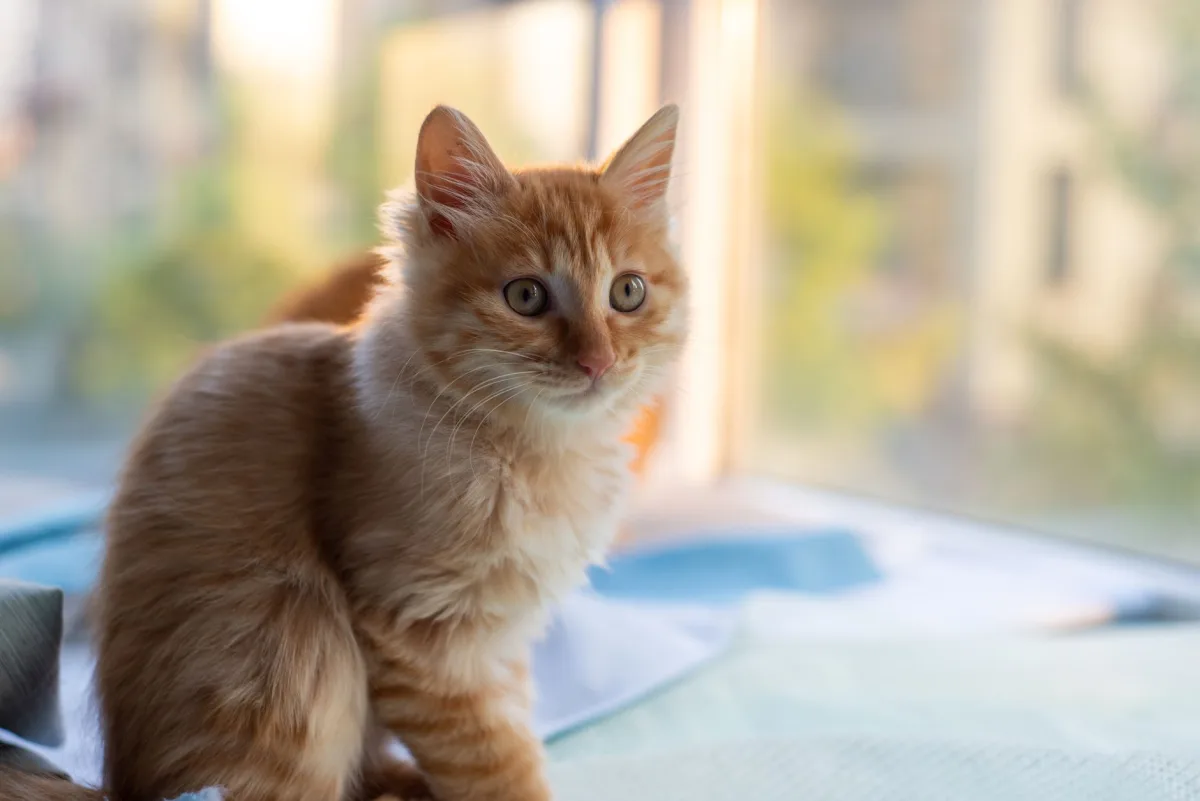
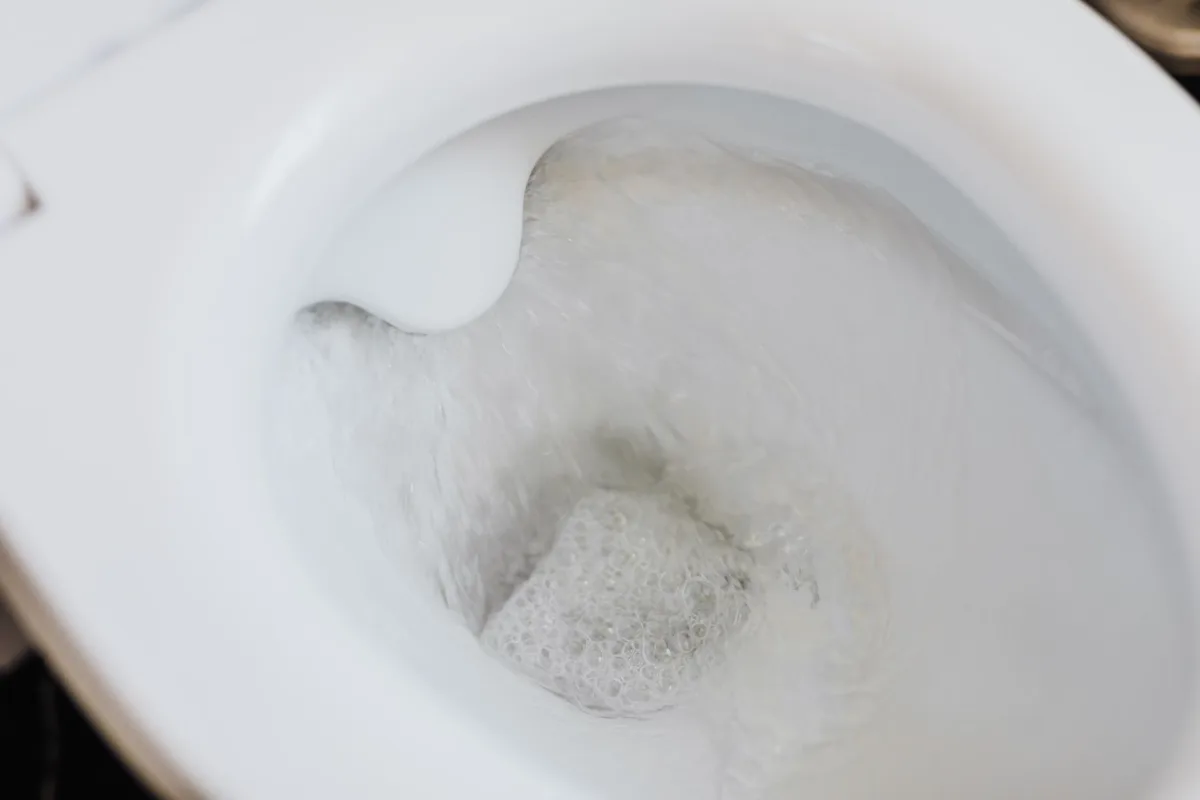
It is technically possible to get the cat used to the toilet, but Not recommended for most cats. The reasons are serious: cat from the instinct to bury There is a risk of falling and getting injured while jumping on the toilet, when one gets old or sick, one becomes unable to use it, and most importantly, It becomes impossible to monitor urine and stool — the most valuable function of the litter box is lost. In addition, flushing cat feces is not suitable for wastewater. In short: practical for humans, not for cats.
Health warning: Toilet training prevents you from seeing changes in the cat's urine amount and stool consistency. These changes are the earliest signs of diseases in cats. This method is definitely not suitable for cats that are elderly, have chronic diseases, or have a history of urinary tract problems.
Why does it look attractive?
The promise is simple and attractive: no sand, no scooping, no odor, no spillage. These advantages on the human side are real — the problem is on the cat side of the equation.
7 real problems
- Burial instinct is not satisfiedCats are programmed to cover their waste. Preventing this behavior creates permanent dissatisfaction.
- Health tracking disappearsThe amount of urine, the consistency of the stool, the trace of blood—it all goes down the toilet. See urine monitoring.
- Risk of fallingThe toilet seat is narrow and slippery; A fall can cause injury, especially in a sleepy or hurried cat.
- Cannot be used in old ageThe cat that develops joint pain cannot jump on the toilet and is left without a toilet. See senior cats.
- The problem grows in illnessA cat with diarrhea or urinary tract complaints may become unable to use the toilet; There is no container to return to.
- If the door is closed, he is helplessWhenever the bathroom door is closed, the cat is without a litter box.
- Wastewater problemDischarging cat feces into sewers is not suitable for treatment; about this How to dispose of cat litter See our article.
The most common result: The cat uses the toilet for a while, then a setback occurs (illness, stress, door being closed) and it starts to urinate outside the bowl. At this point, going back to the litter box is harder than training from scratch; The cat may reject both the toilet bowl and the bowl.
Who is it not suitable for?
- Kittens. Balance and muscle control are inadequate; There is a high risk of falling.
- Senior cats. Joint problems make jumping impossible.
- Overweight cats. Difficulty with balance and maneuvering.
- Those with a history of urinary tract problems. Loss of follow-up is an unacceptable risk.
- Those with chronic diseases. Kidney and digestive monitoring is vital.
- Multi-cat homes. A single toilet creates resource competition.
- Skittish and stressed cats. Flush noise and unstable ground make you uneasy.
This list practically covers the vast majority of cats. Even for the remaining group, the gain is small compared to what is lost.
For those who still want to try
You decide; If you're determined to try it, at least proceed in a way that reduces the risks:
- Consult your veterinarianAre your cat's age and health conditions appropriate?
- Never lift the litter boxAlways have a spare container available during and after the process.
- Move very slowlyWait weeks at each stage; If the cat hesitates, take a step back.
- Always keep the door openBathroom access must be uninterrupted.
- Prevent slippingThe toilet seat and its edge should not be slippery.
- If you see resistance, give up.Forcing may cause permanent toilet problems.
- Keep track another wayMonitor water consumption, appetite and behavioral changes more closely.
Intermediate solution: If the goal is odor and scattering, these can also be solved with a litter box. A wide, high-sided container will significantly reduce spillage, twice a day scooping and absorbent litter will significantly reduce odor. See litter scatter And odor control.
Returning to the sandbox
If toilet training has failed or the cat has regressed, returning to the litter box requires patience:
- Start by placing the bowl next to the toilet in the bathroom.
- Use unperfumed litter with a natural and familiar texture
- Keep the container very clean; scoop two to three times a day in the first days
- Do not force the cat, put it in the container and leave it alone
- Once accepted, gradually move the container to the desired location
A natural and perfume-free floor makes the job easier in this transition; cat litter from olive pits It is an option with a high acceptance rate with its texture close to the soil and its odorless structure. The original lost function of the litter box — health monitoring — is thus regained.
In summary, the decision comes down to this: toilet training saves you a few minutes of daily work, makes your cat lose an instinctive behavior and you the chance of early diagnosis. You can get much of the same convenience with a litter box — cat litter from olive pits An absorbent and activated carbon product such as this already significantly reduces the odor and cleaning load.
The actual value of the litter box
Clumping olive pit cat litter with the amount of urine remains visible; Activated carbon also undertakes odor control.
8 L olive pit cat litter double pack olive pit cat litter See all cat litters
Frequently asked questions
Is it right to get the cat used to the toilet?
It's technically possible, but not recommended for most cats. The burying instinct is not met, there is a risk of falling, it cannot be used in old age, and most importantly, it becomes impossible to follow urine and feces.
What is the biggest disadvantage of toilet training?
Loss of health tracking. The amount of urine, stool consistency and traces of blood are the earliest signs of diseases in cats; This information goes away with the flush.
For which cats is it definitely not suitable?
Kittens, the elderly, overweight cats, those with a history of urinary tract or chronic disease, multi-cat households and timid cats.
Can cat feces be thrown into the toilet?
It is not suitable for wastewater treatment. Cat feces and used litter should be thrown into the household garbage in a sealed bag.
What should I do if toilet training fails?
Start by placing the litter box next to the toilet in the bathroom, use unperfumed litter with a familiar texture, keep the bowl very clean, and gradually move it to the desired location as it is accepted.
Related articles
Tags for this post

The team that produces sand in our production facility in Ayvalık turns the most frequently asked questions in the field into a guide. Health-related sections are general information; It is not a substitute for a veterinary examination.