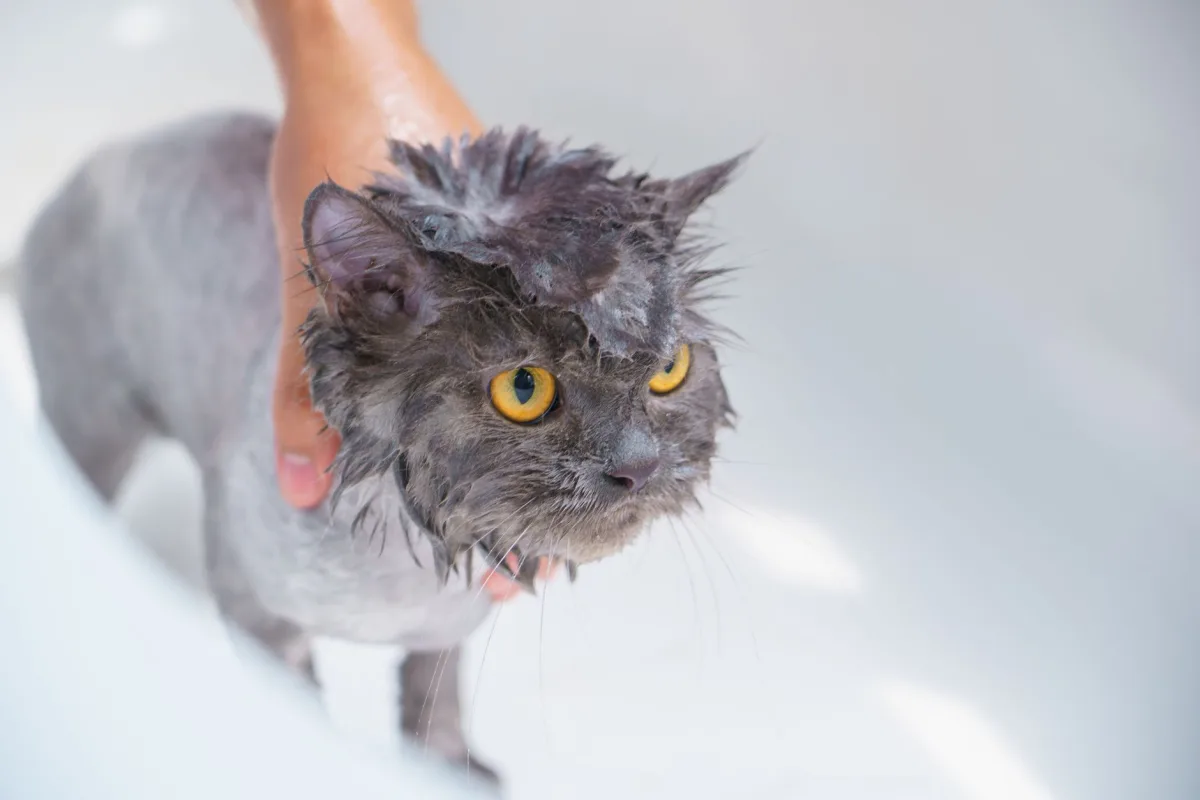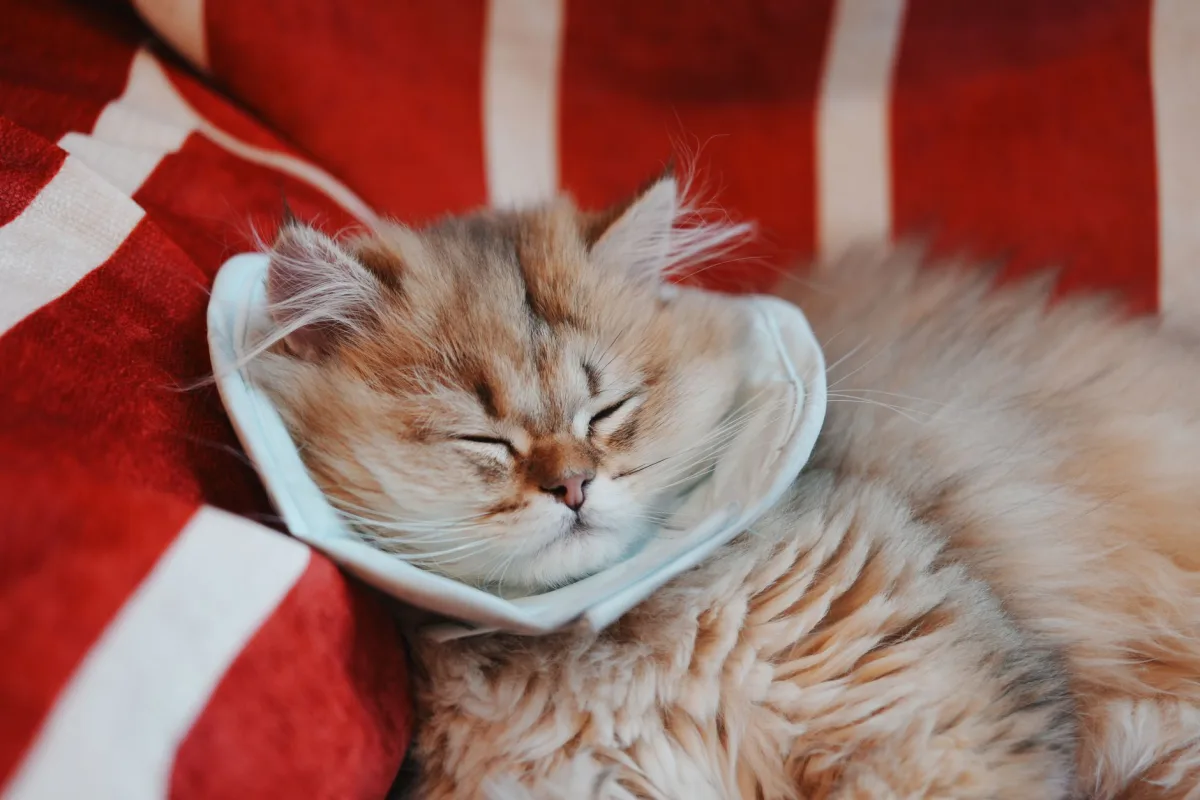
The biggest cause of litter box problems in older cats is joint pain — A cat that cannot climb into a high-sided container stops using the container and this is thought to be "getting cranky from old age". The solution is often very simple: a wide container with a low entrance, one on each floor of the house and comfortable for the paw, dust-free and perfume-free a sand. Any change in toilet habits in older cats also requires health monitoring; Kidney and joint problems are common in this age group.
Notes: If you notice changes in water consumption, urine volume or appetite in older cats, consult your veterinarian, regardless of age. Regular check-ups are more important in this age group.
What changes with age?
| Change | Reflection in sand bowl |
|---|---|
| Joint pain | Can't climb high edge |
| Decreased muscle strength | Digging and covering are reduced |
| Vision weakening | Has difficulty finding the container |
| Change in kidney functions | The amount of urine may increase |
| Digestive slowdown | Tendency to constipation |
| Cognitive changes | Don't forget the container, don't be surprised |
| Skin and paw sensitivity | Discomfort from hard sand |
The most common mistake: Interpreting an old cat's urination outside the container as "grumpiness" or "old age". There is almost always a physical disability or medical reason behind this behavior — and both can be corrected.
Container arrangements
- Use a low entry containerContainers with a low side (about 8-10 cm) are preferred; If necessary, a practical solution is to cut one side of a plastic container and straighten the edge.
- Enlarge the containerOlder cats have difficulty turning over; The wide cap allows for comfortable positioning.
- Release top-entry containersNot every design that requires climbing is suitable for this age group.
- Lift the coverIn closed containers, the entrance remains narrow and maneuvering becomes difficult.
- Add more litter boxesOne bowl on each floor and in each area where the cat spends a lot of time.
- Add ramps or stepsA low step in front of the container makes climbing easier.
- Provide non-slip floorPut a non-slip mat under the container; A sliding bowl creates distrust.
Choosing litter
Three criteria stand out when choosing litter for older cats:
- Paw comfort. Round-shaped, medium-sized grain. See paw irritation.
- Low dust. Respiratory reserve decreases in older cats. See cat litter dust.
- Perfume-free. In terms of scent sensitivity and acceptance rate.
A fourth criterion is for the owner: clumping. It is important to monitor the change in the amount of urine in older cats, and this is only possible with a litter that remains intact. Cat litter from olive pits It meets these four headings together.
Do not exaggerate the sand depth: Sand that is too deep creates unstable footing for older cats with weak legs. Around 5cm is generally more comfortable in this age group — deep enough to retain liquid, shallow enough not to sink.
Location and access
- No need for stairs. The elderly cat should not have to go up and down stairs; There should be containers on every floor.
- Don't be far. Position it close to where the cat sleeps and spends time.
- Let there be light. If vision is poor, a night light makes it easier to find the container.
- Calm down. Noise and sudden movement cause more anxiety in older cats.
- Don't let the ground slip. Slippery floor creates insecurity in the cat with joint pain.
- Do not change location. Familiar space is important in cats experiencing cognitive changes.
For general location criteria where to put See our article.
Health tracking
In older cats, the litter box is at the center of health monitoring. Things to Watch:
- Urinary amount and frequency. Significant increase or decrease should be evaluated.
- Water consumption. Increased drinking is a finding that should be discussed with the veterinarian.
- Stool pattern. Constipation is common in this age group. See constipation.
- Trace of blood. See blood in the litter.
- Do not strain the container. Long stay, loud meowing.
- Accidents outside the box. Physical disability or medical reason?
For tracking method urine monitoring See our article. International Cat Care And Cornell Feline Health Centeremphasizes that regular veterinary checks and in-home accessibility arrangements directly affect the quality of life in older cats.
Most arrangements for older cats are cheap and simple: a low-sided bowl, one on each floor, and familiar litter. Cat litter from olive pits With its low powder and perfume-free structure, it does not create an additional source of anxiety in this age group; Since the lump remains intact, it facilitates urine monitoring.
Dust-free and soft grain for older cats
Olive pit cat litter It combines paw comfort, dust-free structure and perfume-freeness; It also makes tracking easier because the lump remains intact.
single 8 L natural cat litter 8 L x 2 pack of natural cat litter All cat litter types
Frequently asked questions
My old cat won't go into the litter box, why?
The most common reason is not being able to climb the high edge due to joint pain. Switching to a wide container with a low entry often solves the problem. Veterinary check-up is also required for medical reasons.
Which litter box is suitable for older cats?
Containers with low openings (about 8-10 cm), wide and without lids. Top entry designs are not suitable for this age group.
Which litter should be given to an old cat?
A sand with rounded, medium-sized grains, dust-free and perfume-free. Clumping sand provides an additional advantage as it facilitates urine monitoring.
What should be the litter depth for an older cat?
Around 5 cm is generally more comfortable. Sand that is too deep creates unstable ground for cats with weak legs.
Is it normal for my old cat to urinate outside the bowl?
It is not normal and is usually a sign of a physical disability or medical problem. Make container access easier and consult your veterinarian.
Related articles
Tags for this post

The team that produces sand in our production facility in Ayvalık turns the most frequently asked questions in the field into a guide. Health-related sections are general information; It is not a substitute for a veterinary examination.