No. Cat litter from olive pits It is of vegetable origin; It does not contain clay, silica, synthetic flocculants, colorants or artificial perfumes. Thanks to its low dust content, it is considered safer for the respiratory tract than clay-based sand. The only thing to be careful about is the cat's litter box. eating habit — this behavior (pica) requires veterinary evaluation regardless of litter type.
The question most asked by cat owners when switching to natural litter is safety. In this article cat litter from olive pits We clearly discuss the ingredients of the products, possible risks and in which cases you should consult a veterinarian.
What does it contain and what does it not contain?
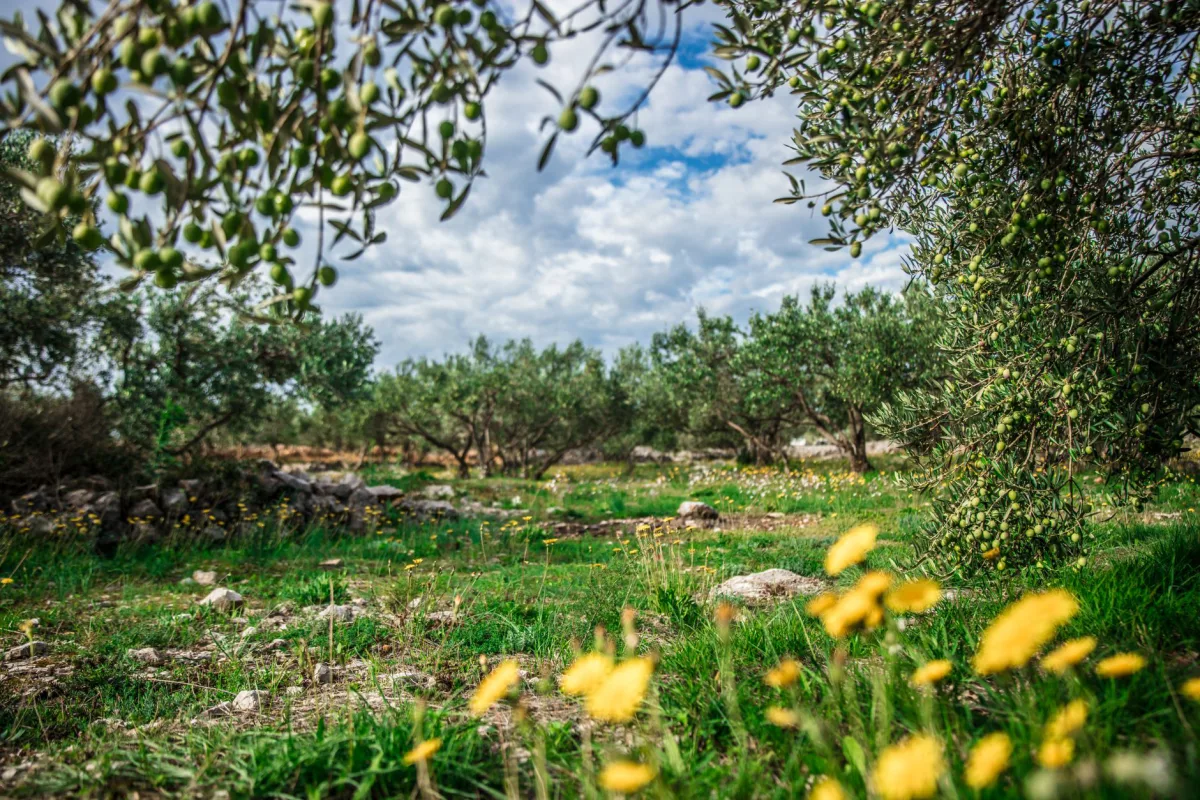
What's inside
- Ground olive pit granule
- Activated carbon (vegetable origin)
What's not included
- Clay/bentonite
- Silica (crystal) grains
- Synthetic flocculant
- Artificial perfume and colorant
- Antibacterial chemical additive
The production process consists entirely of physical processes: separation, washing, drying, grinding and sieving. Detail: production process step by step.
Respiratory safety
The realest and most common risk in cat litter is dust. Cats scratch by putting their nose close to the litter box; In other words, they make the closest contact with the airborne particles. Cornell Feline Health Centerhighlights the role of environmental triggers in asthma and lower respiratory tract diseases in cats.
Since olive pit granules are large and heavy, their tendency to remain suspended in the air is low. It's also fragrance-free — perfume is a particular source of irritation in sensitive cats. Detail: Is it dust free? And cat litter dust and respiratory risk.
What happens if the cat eats the litter?
Cats lick their paws when they come out of the litter box; It is common to swallow small amounts of granules in this way and they are excreted through the digestive system. The real issue is the cat's litter Eating consciously and regularly.
Pica behavior: Cat eating non-nutritious substances is called "pica" and is usually a is a symptom, does not originate from the sand itself. Possible causes include anemia, nutritional deficiencies, digestive problems and stress. If your cat eats the litter regularly, instead of changing the litter type consult a veterinarian first. Detail: eating cat litter (pica).
For comparison: bentonite retains its ability to swell in the digestive tract when ingested, which is why it is more discussed, especially in kittens. This risk is structurally lower in vegetal sands. For offspring, see also. kitten eats sand.
Paw and skin contact
Granule hardness and edge structure may cause irritation on the cat's paw. Olive pit sand offers a noticeably softer paw feel than crystal (silica) sand; The sharp edges of crystal sands may cause discomfort to sensitive paws.
In the post-operative period or if there is a paw wound, the softest options are paper-based litter. See paw irritation and sand hardness, sand selection after surgery.
Sensitive groups
| Group | Suitability | What to watch for |
|---|---|---|
| Kittens | Suitable | Observation of sand eating in the first weeks |
| Old cats | Suitable | Rough entry height |
| Asthmatic cats | Preferred | Low dust advantage |
| Postoperative | Depending on the situation | Veterinarian recommendation is priority |
| Allergic household members | Preferred | Fragrance-free, low dust |
| Pregnant women | Suitable | Toxoplasma precautions apply |
Toxoplasma precautions during pregnancy are independent of the litter type and must be implemented: see. toxoplasma and cat litter. For the allergy side Does it cause allergies? And allergy in humans You can look at our articles.
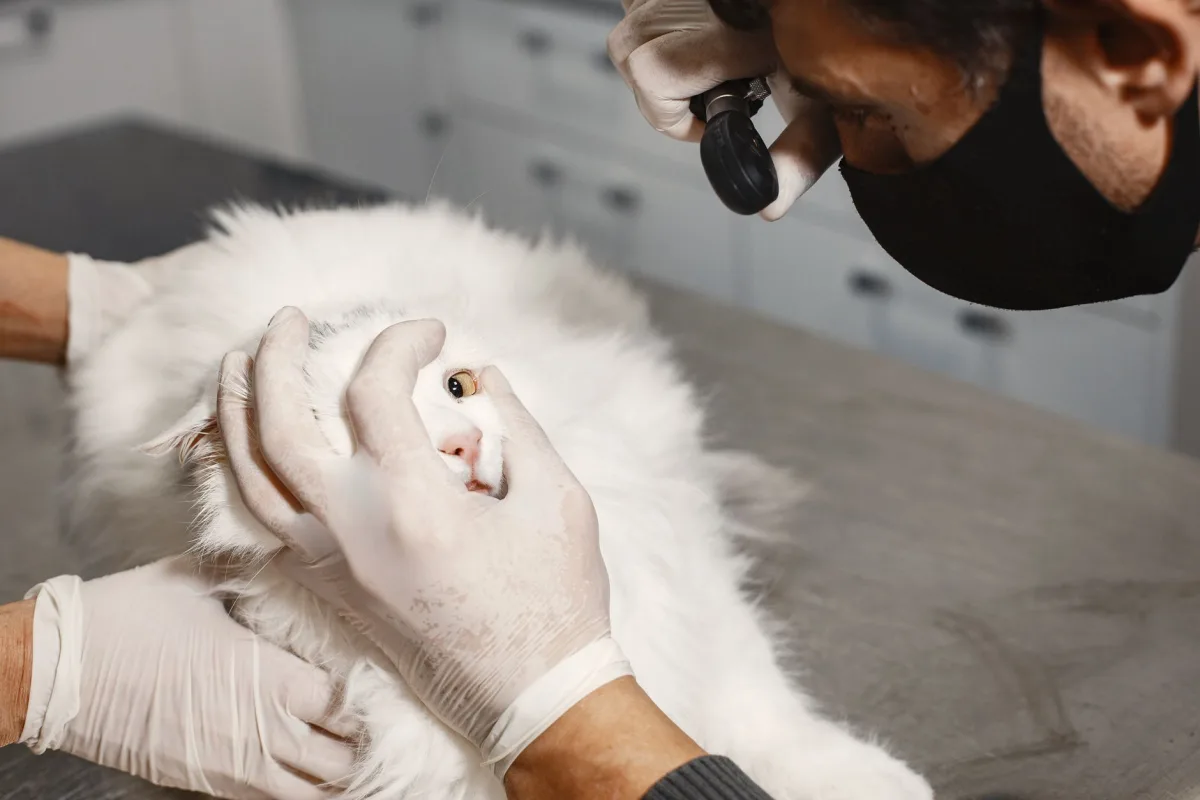
When to go to the vet?
- If the cat eats the litter regularly
- If he frequently enters the litter box and urinates less (especially in male cats). urgent)
- If you see blood in the sand — see seeing blood in the litter
- If itching, redness or excessive licking begins after the litter change
- If you have cough, wheezing or shortness of breath
- If it completely rejects the litter box — see 10 possible reasons
Reliable sources: International Cat Care And ASPCA Cat Care.
Additive-free, perfume-free cat litter from olive pits Our products: 8L single, 8L 4-pack, 7,5L.
Additive-free, perfume-free, 100% natural
It does not contain clay, silica and synthetic additives. Dust-free option for cats with respiratory sensitivities.
Frequently asked questions
Is olive pit cat litter harmful to cats?
No. It is of plant origin; It does not contain clay, silica, synthetic flocculants and perfumes. Low dust content is advantageous in terms of breathing.
Is it dangerous if my cat eats the litter?
It is normal for him to swallow a small amount while licking his paw. Regular and conscious sand eating (pica) is a symptom; A veterinarian should be consulted before changing the litter type.
Can it be used on kittens?
Yes. Its dust-free structure and soft paw feeling are advantageous. Observation is recommended in the first weeks as kittens tend to mouth the sand.
Does it contain chemical additives?
No. Its content consists of ground olive pit granules and plant-derived activated carbon; There are no synthetic flocculants, colorants or perfumes.
Is it suitable for cats with asthma?
It is preferred over clay-based sands due to its low dust content. However, get your veterinarian's opinion on your cat's specific situation.
Related articles
Tags for this post

The team that produces sand in our production facility in Ayvalık turns the most frequently asked questions in the field into a guide. Health-related sections are general information; It is not a substitute for a veterinary examination.