This page cat litter from olive pits It collects the 30 most frequently asked questions about the product in one place: what the product is, how it is produced, performance, safety, use, cost and environmental impact. Short answers are just below; For each title that requires details, there is a link to the relevant article. If you cannot find the question you are looking for, you can take a look at the guides in the subject headings.
The questions that come to mind before switching to a new type of sand are similar. We prepared this page to answer all of those questions one by one and honestly — writing down the limitations as well as the strengths.
Basic information
1. What is olive pit cat litter?
It is herbal cat litter produced by drying, grinding and sifting the olive pits produced during olive oil production. In versions with activated carbon, odor control is strengthened by carbonizing a part of the core.
2. How is it produced?
The seed is separated from the pulp, dried, ground and sieved into certain grain sizes. Products containing activated carbon have an additional carbonization step. Detail: How is it produced?.
3. Does it contain any additives?
100% natural products do not contain perfumes, colorants or chemical deodorizers. Odor control is achieved with activated carbon, that is, a physical mechanism. See How does activated carbon work?.
4. Why is the color dark?
Because of the activated carbon it contains. This does not mean that the sand is dirty; carbon grains are naturally black.
5. Does it have a smell?
It has a light, neutral woody scent. Since no perfume is added, don't expect a strong smell — this is an advantage for cats to accept.
6. What type of cat litter does it look like?
It is similar to medium-sized granular sand in terms of grain structure. It is not as fine as bentonite, nor is it as coarse as pine pellets. See grain size.
Performance
7. Does it clump?
Yes. It forms a lump when in contact with liquid and can be removed whole with a scoop. Lump integrity ensures that clean sand does not go to waste. Detail: clumping.
8. How absorbent is it?
It is high thanks to its porous structure; It rapidly absorbs the liquid and delays its descent to the bottom. See absorbency.
9. Does it really control odor?
Activated carbon reduces odor molecules by keeping them on its surface. However, no amount of sand will eliminate the odor; No product will do without regular scooping. See odor control.
10. Is it dust free?
“Dust-free” is not based on a standard measurement; The correct word is "dust-free". Thanks to its hard and sieved grain structure, it produces significantly less dust than fine clay sands. See Is it dust free?.
11. How long will it last?
It varies depending on the number of cats, number of containers and cleaning habits. It is best to measure your own consumption. See how long will it last And How much is 8 liters enough?.
12. Is it better than bentonite?
Not in every title. Bentonite clumps faster and harder, and is cheaper. Olive pits, on the other hand, are lighter, less dusty, perfume-free and biodegradable. To compare: olive pit or bentonite?.
13. How much does it weigh?
Since it is a vegetal sand, it is noticeably lighter than the same volume of bentonite. This provides advantages in terms of transportation and container filling. See weight.
Safety and health
Notes: The answers below are for general informational purposes only. If your cat has a health problem or you notice any symptoms, contact your veterinarian.
14. Is it harmful for cats?
It is a natural product that does not contain chemical additives and is not expected to cause harm in normal use. However, as with any sand, it is not suitable to swallow large amounts. See Is it harmful?.
15. Can kittens use it?
In the first months, non-clumping litter is recommended due to the risk of being put in the mouth. It can be stopped after mouthing behavior has passed (usually 4-6 months). See which litter for kittens.
16. Does it cause allergies?
Since it does not contain perfume or chemical additives, its irritation potential is low. However, every cat is different; If you see symptoms, consult your veterinarian. See allergy.
17. Can it be used in cats with asthma?
Being dust-free is an advantage for this group, but it is best to choose the litter together with your veterinarian. See cat litter dust.
18. Does it harm the paw?
Its grains are rounded and medium sized; Paw comfort is better than sand with sharp corners. See paw irritation.
19. Can it be used in the postoperative period?
Paper-based sands are generally recommended during this period; Clumped sand may stick to the seam. Your veterinarian's instructions take priority. See postoperative.
Use and maintenance
20. How much should I put into the container?
5-7cm depth is suitable for most cats. Less sand causes the liquid to sink to the bottom and cause odor. See how much sand to put.
21. How often should I clean?
Scooping twice a day is recommended. The exact replacement interval varies depending on the number of cats and intensity of use. See frequency of change.
22. How do I switch from my current sandbox?
Spread over 5-7 days: slightly increase the rate of new sand each day. The sudden transition may cause the cat to reject the bowl. See transition And switching brands.
23. Can I flush it down the toilet?
Even though it is a vegetal sand, it is not recommended for installation and purification. The correct method is to dispose of it in the household garbage in a sealed bag. See Does it pour into the toilet?.
24. How should it be stored?
In a dry, cool place out of direct sunlight, with the package closed. Humidity is the first factor that reduces absorbency. See how to store.
25. Does it get moldy?
Thanks to its woody structure that does not contain starch, it is in the most mold-resistant group among vegetable sands. However, it should not be stored in a humid environment. See mold.
Cost and purchase
26. Is it expensive?
The liter price is higher than bentonite. However, the correct unit of comparison is days: when you measure how many days the package lasts, the difference is smaller than expected. See cost accounting.
27. Which package size should I buy?
Small pack for the first try, multi-pack once you've made up your mind. Liter cost decreases in multiple packages. See bulk purchase.
28. Where can I buy it?
From our online store or sales points. When choosing a product, make sure that volume, weight and content information are clearly written. See where to buy.
Environment
29. Is it really environmentally friendly?
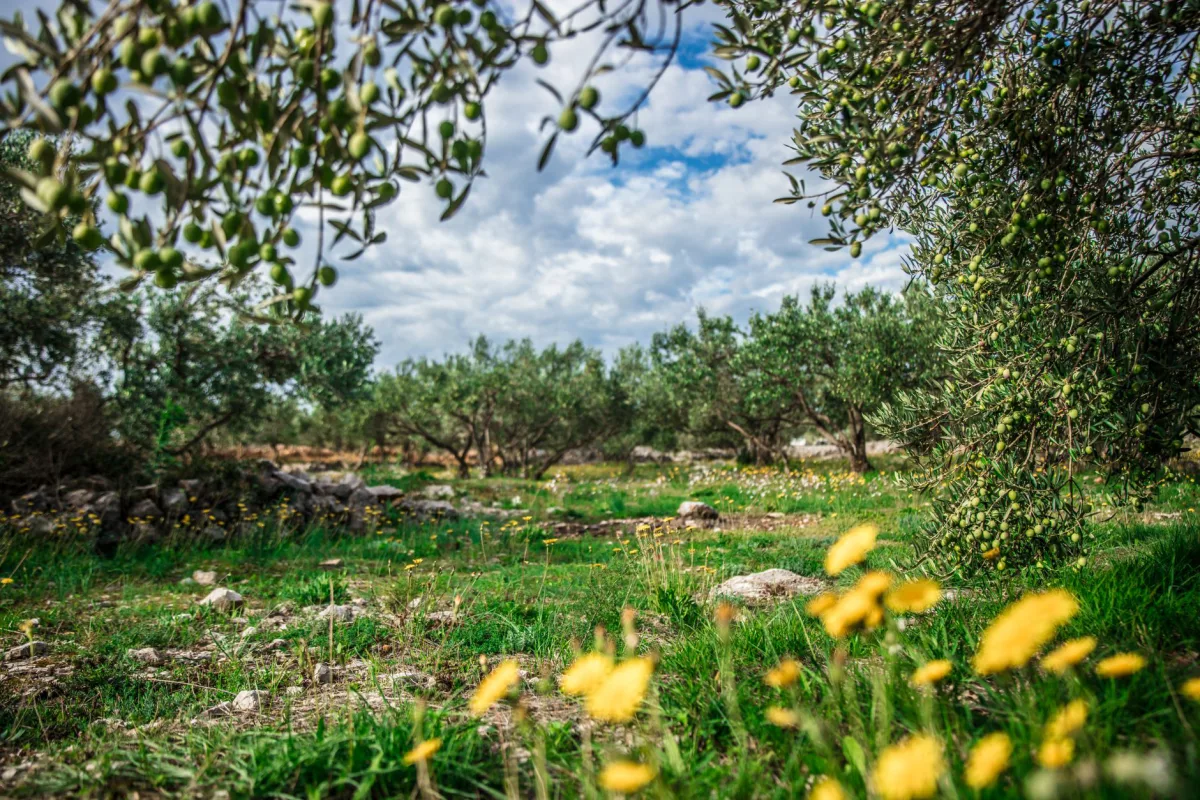
It is produced from the by-product of olive oil production; It does not create a demand for new raw materials, is lightweight and biodegradable. But drying, grinding, and transportation still consume energy — it's not "zero impact." See sustainability.
30. Can compost be made?
Used sand should not be used on plants grown for food purposes because it contains cat feces. See compost.
Didn't find what you were looking for? You can browse our detailed guides by topic: for all sand types cat litter types, for usage pattern user guidefor odor problems odor guide and for purchasing decision buying guide.
Ready to try?
Cat litter from olive pits Try with a small pack to start with, then move on to a multi-pack once you've made up your mind.
7.5 liters of olive pit cat litter 8 liters of olive pit cat litter All cat litter packages
Related articles
Tags for this post

The team that produces sand in our production facility in Ayvalık turns the most frequently asked questions in the field into a guide. Health-related sections are general information; It is not a substitute for a veterinary examination.