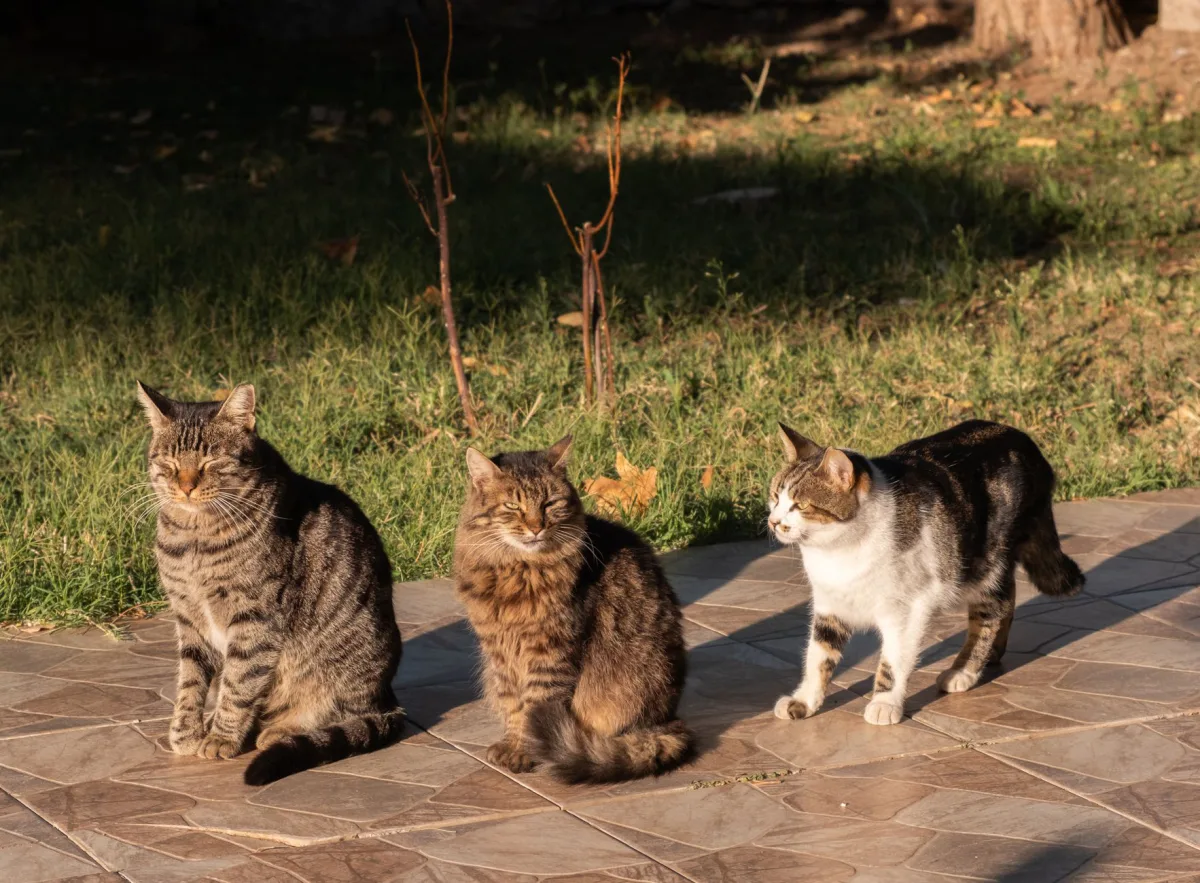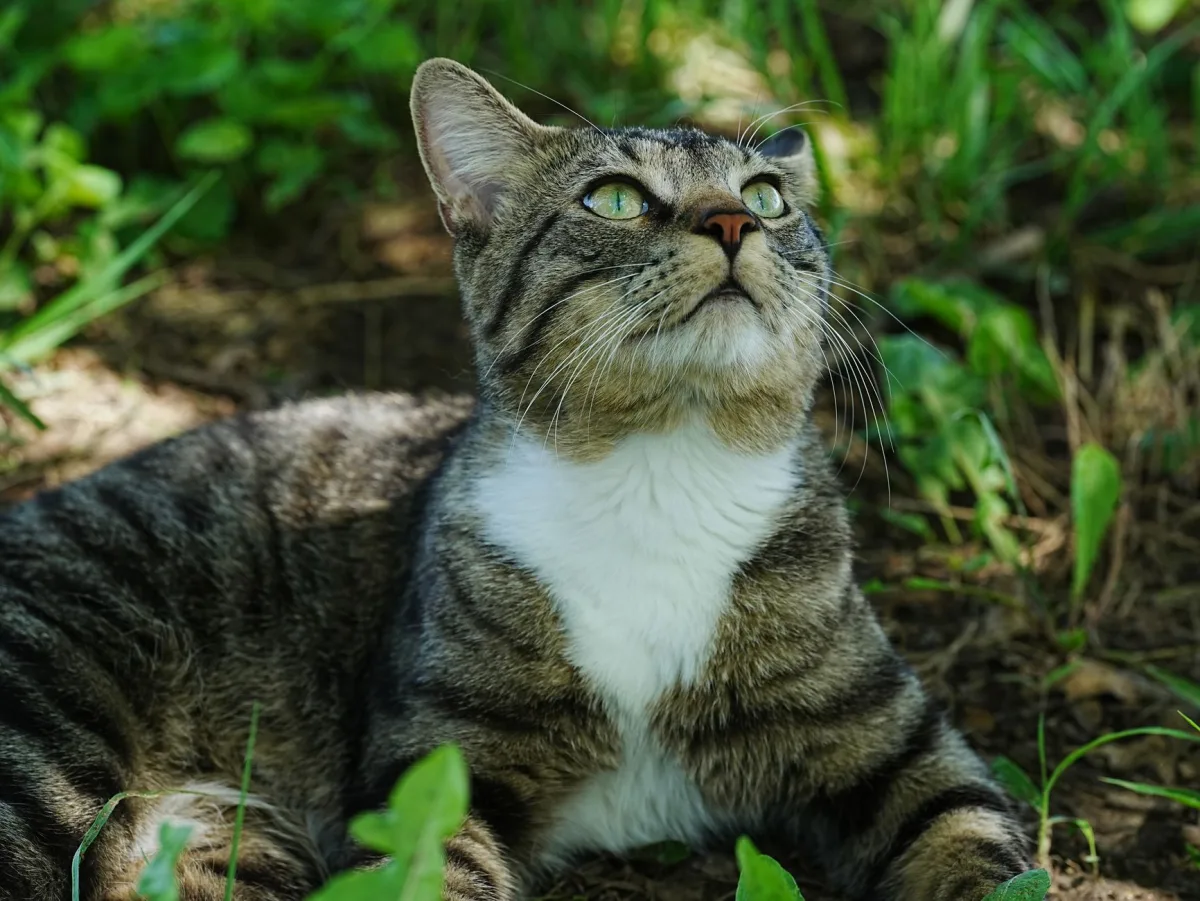
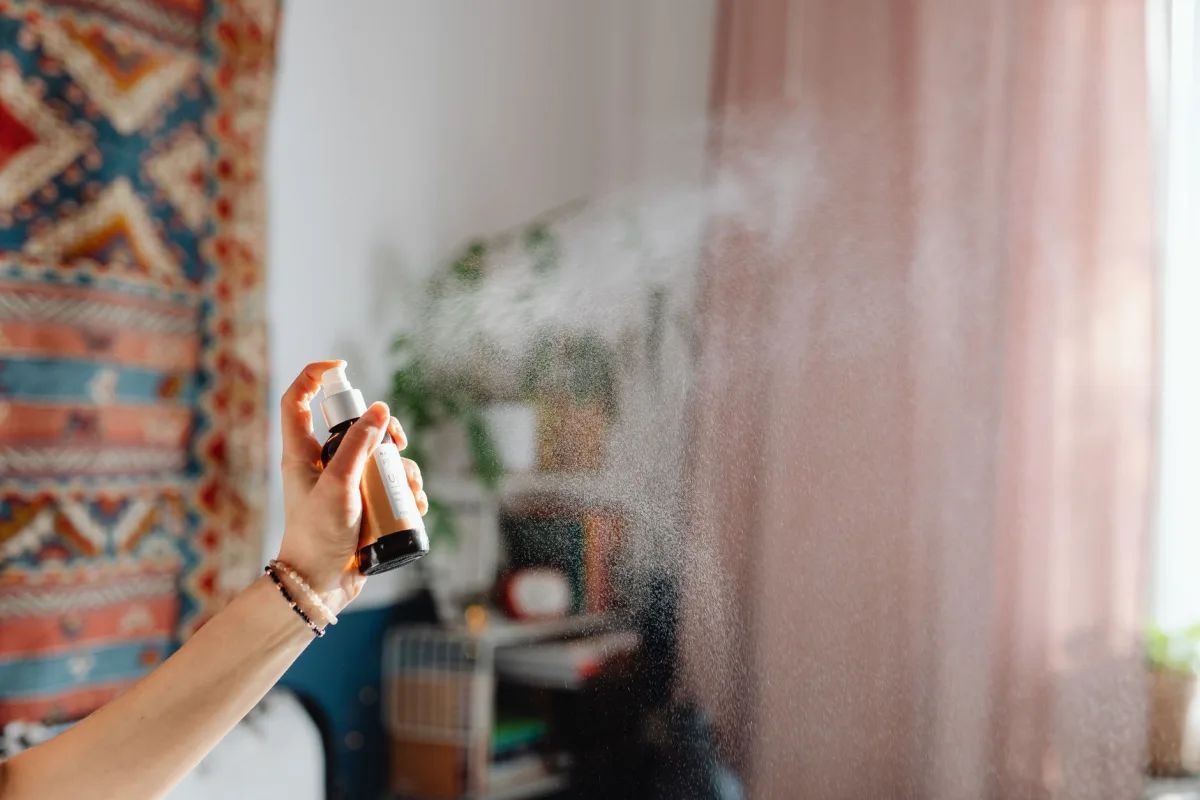
Most deodorizing sprays and granules sold for cat litter remove the odor. non-removing masks. Those containing perfume may tempt cats away from the container; Those containing essential oils are for cats. can be toxic. For those who want to stay on the safe side, the best "deodorizer" is a sand that traps the odor at its source: cat litter from olive pits Activated carbon, perfume-free products such as these do not require any additional chemicals. Enzyme cleaners really work on leaky urine spots.
Dozens of sprays, granules, tablets and bags for litter boxes are sold in markets. Which one works, which one is just perfume, which one is risky for the cat? Let's look at it category by category.
Product categories and actual effects
| Product | How it claims to work | Actually | For cat |
|---|---|---|---|
| Perfumed spray | Removes odor | Masks, short-term | It can be disturbing |
| Scented granule | Mixes with sand and kills odor | Adds a layer of perfume | Risk of container rejection |
| Activated carbon bag | It retains the odor molecule | Limited but real effect | Generally safe |
| Baking soda based powder | Neutralizes | Ineffective against ammonia | Dust risk |
| Enzyme cleaner | Shreds the remnant | It really works | Safe when used correctly |
| Essential oil product | Natural deodorizer | Masks | Can be toxic |
| Ozone generator | Cleans the air | Risky in closed areas | Harmful to breathing |
What it comes down to from the table is that there are two things that really reduce odor — activated carbon And enzyme cleaning. The rest is either masking or risk.
Risky content
Contents to consider for cats:
• Essential oils (tea tree, eucalyptus, peppermint, citrus, lavender, cinnamon) — cats' livers have a hard time metabolizing these compounds
• Phenol derivatives — is particularly risky for cats
• Intense synthetic perfume — respiratory irritation and container rejection
• Alcohol based sprays — intake through paw contact and licking
• Ozone — irritates the respiratory tract in closed areas
ASPCA Animal Poison Control And International Cat Carestates that essential oils may pose a risk to cats through both skin contact and inhalation. The "natural" label does not mean safe — many herbal compounds are natural but not safe for cats.
Enzyme cleaners: the exception that works
Enzyme cleaners for out-of-container urine are truly a different category. in urine uric acid crystals insoluble in water; Ordinary detergent cleans the surface, leaves the crystal, and the smell returns when the environment becomes moist. Enzymes break down these crystals.
- Find the stainIn darkened room, UV flashlight makes traces of dry urine visible.
- Remove excess moistureAbsorb by pressing with a paper towel, do not rub.
- Apply the enzyme product generouslyNot as much as the stain, but as much as the area where the stain spreads.
- Let it sitFollow the time on the label; Enzymes take time to work.
- Dry itVentilate, do not cover.
- Repeat if necessaryA second application may be required for old and deep stains.
Things to look for when choosing a product
- Is the ingredient list clear? Look for exact ingredients rather than vague phrases like "perfume" and "natural aroma."
- Does it say it has been tested for cats? The general phrase pet is not enough; Cats are different from dogs.
- Does it contain essential oil? If it contains it, do not use it in the litter box.
- Masker or retainer? The "fresh scent" promise on the label means masking.
- What does your cat say? If he/she hesitates to use the container after using the product, the answer is clear.
Simple test: Do not try a new product in all containers at once. Try it in one bowl, leave the other as it is. You'll see which one your cat prefers in a few days.
Product-free solution
The reason why the market for odor eliminators is large is that the routine is missing in most homes. Once the routine is fixed, the need for supplements is largely eliminated: scooping twice a day (how to clean), 5-7 cm depth (how much sand), number of cats + 1 container (how many litter boxes) and a sand with high absorbency.
Activated carbon mixed into the sand is much more effective than a separate bag because it contacts the source of the odor. Being fragrance-free also eliminates the risk of the cat rejecting the bowl. See scented or odorless?.
A practical start for those who want to try without buying additional products: with activated carbon olive pit cat litter fill it out, leave the other in your current setup, and compare the two after a week. It becomes clear which bowl your cat prefers during this time.
Odor control without additional products
Cat litter from olive pits It is perfume-free; It retains the odor with activated carbon and does not cover it.
8 liters of olive pit cat litter double 8 L olive pit cat litter All cat litter packages
Frequently asked questions
Are cat litter deodorizing sprays safe?
It depends on the content. Those containing essential oils, phenol derivatives or intense perfumes may be risky for cats. Choose products that are fragrance-free, have clearly written ingredients and are suitable for cats.
Why are essential oils dangerous for cats?
Cats' livers have difficulty metabolizing some herbal compounds. Skin contact, licking or inhalation may cause irritation and poisoning.
What does an enzyme cleaner do?
It breaks down uric acid crystals in urine. Since these crystals do not dissolve in water, the odor returns when moisture is obtained on surfaces cleaned with normal detergent.
Does an activated carbon bag work in a litter box?
To a limited extent. It retains the odor molecule, but since it does not come into contact with the source, it is not as effective as activated carbon mixed into the sand.
Can I use air freshener in the litter box?
Not recommended. Air fresheners mask the smell, which can annoy cats and cause them to stop using the bowl.
Related articles
Tags for this post

The team that produces sand in our production facility in Ayvalık turns the most frequently asked questions in the field into a guide. Health-related sections are general information; It is not a substitute for a veterinary examination.