Paper (cellulose) cat litterIt is produced by turning recycled paper into pellets or granules. It is the softest and almost dust-free option; For this reason in the postoperative period, in cats with paw wounds and in newborn kittens It is frequently recommended by veterinarians. Against this does not clump and has poor odor control; It needs to be changed frequently because it gets saturated quickly. In other words, it is a solution for special occasions, not for daily use.
Paper cat litter has a niche in the market, but in the right situation, there is no substitute for any other litter. In this article, we explain for whom, why and how to use it.
What is paper cat litter?
Recycled newspaper, cardboard or paper waste is cleaned, turned into fiber and pressed into pellets or soft granules. Some products undergo deinking; In some, a natural odor absorber (soda, etc.) is added.
The result: a material that is extremely light, very soft and virtually dust-free.
Recommended for whom?
- Postoperative periodIt minimizes sand particle contamination to the suture area after neutering, urinary tract surgery or any surgery. See sand selection after surgery.
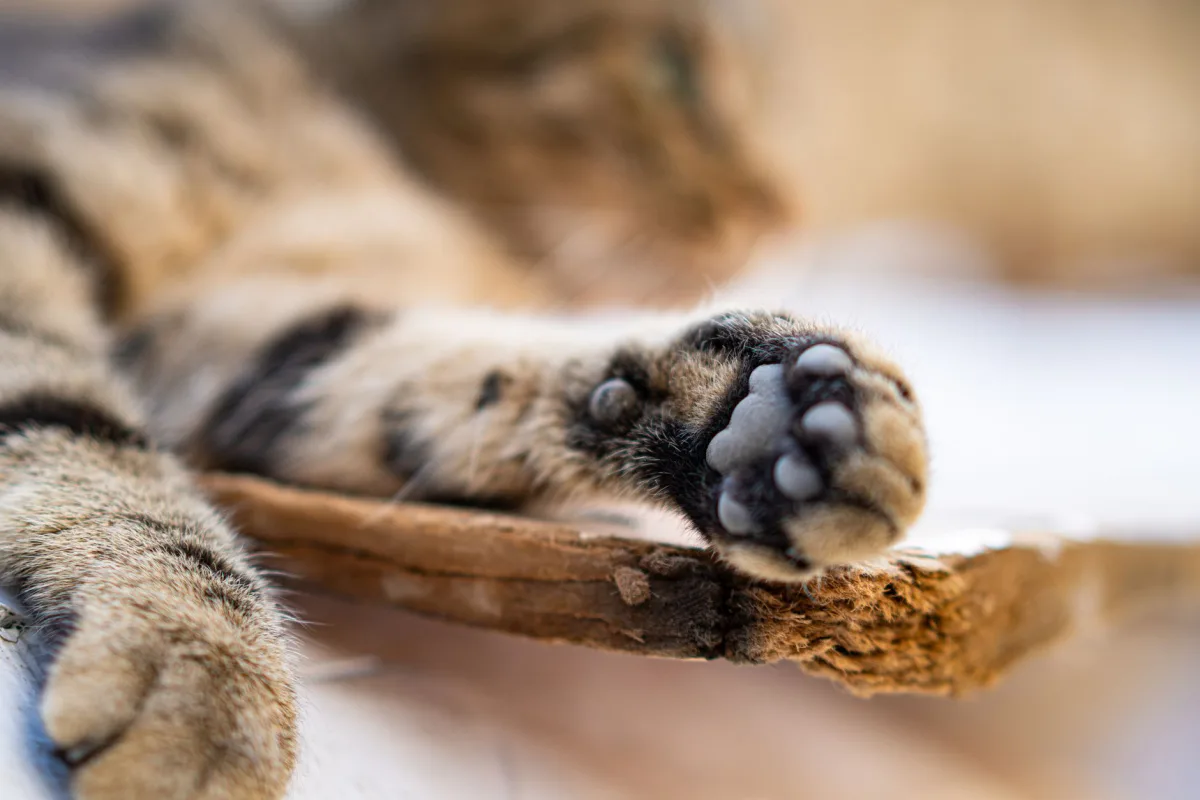
- Paw sore or irritationHard grained sand irritates the wound; The softness of paper sand provides comfort during the healing process. See paw irritation.
- Newborn and very young kittensA safe option in the first weeks when clumped sand poses the risk of being swallowed. See which litter for kittens.
- Severe respiratory sensitivityDust content is the most critical criterion in cats diagnosed with asthma. See cat litter dust.
- Situations requiring urine monitoringSome light-colored litters make urine color easier to see; It is useful for veterinary follow-up. See health monitoring from urine.
Veterinarian recommendation: Be sure to follow your veterinarian's instructions regarding litter selection in the postoperative period. International Cat Care And ASPCA They are reliable sources on general maintenance issues.
Pros and cons
Pros
- Almost completely dust free
- Softest paw feeling
- Very light
- Recycled raw material
- Biodegradable
- Ideal for post-surgery
Cons
- Does not clump
- Poor odor control
- Gets full quickly, requires frequent changes
- Cost per kilogram can be high
- Since it is light, it spreads easily
- It will disperse if it gets moisture
Usage routine
- Depth: 3-5 cm is sufficient. Anything more goes to scattering.
- Daily: Scoop solid waste and wet areas — don't look for lumps, saturated granules will discolor.
- Change: Since it does not clump, its full renewal frequency is higher than other sands.
- Smell: Place the container in a well-ventilated area due to poor odor control. See placement guide.
- Scattering: Use a high-sided container and sand mat. See mat.
Is it suitable for daily use?
Honest answer: for most homes not a long term solution. Poor odor control and the need for frequent replacement create disadvantages in terms of both comfort and cost in daily use.
| You need | Paper litter | Alternative |
|---|---|---|
| Temporary use after surgery | Ideal | — |
| Severe asthma | Suitable | Pine pellets |
| Daily use + odor control | Weak | Olive pit |
| Daily use + clumping | None | Olive pit, tofu |
| Economical natural option | Middle | Pine pellets |
After the healing period is over, it makes sense to switch to a dust-free but strong odor control product. Make the transition gradual: 7 day training plan.
Permanent solution after recovery
Dust-free but with strong odor control: with activated carbon cat litter from olive pits.
8 liters of olive pit cat litter 5 kg pine pellet cat litter All cat litter packages
Frequently asked questions
What is paper cat litter used for?
Since it is almost dust-free and very soft, it is preferred in the post-operative period, cats with paw wounds, newborn kittens and cats with severe respiratory sensitivity.
Does paper cat litter clump?
No. It absorbs the liquid into the granules; no lumps are formed. Saturated granules often change color and are scooped out.
Does paper cat litter smell?
Odor control is poor. It absorbs liquid but has no mechanism to retain ammonia; Therefore, frequent changes and good ventilation are required.
Is paper cat litter suitable for daily use?
It is not a long-term solution for most homes. Poor odor control and the need for frequent changes create disadvantages in daily use; Ideal for special occasions.
Which cat litter should be used after surgery?
Paper-based, dust-free and soft sands are generally recommended because they reduce the risk of particle contamination in the seam area. Follow your veterinarian's instructions for the final decision.
Related articles
Tags for this post

The team that produces sand in our production facility in Ayvalık turns the most frequently asked questions in the field into a guide. Health-related sections are general information; It is not a substitute for a veterinary examination.