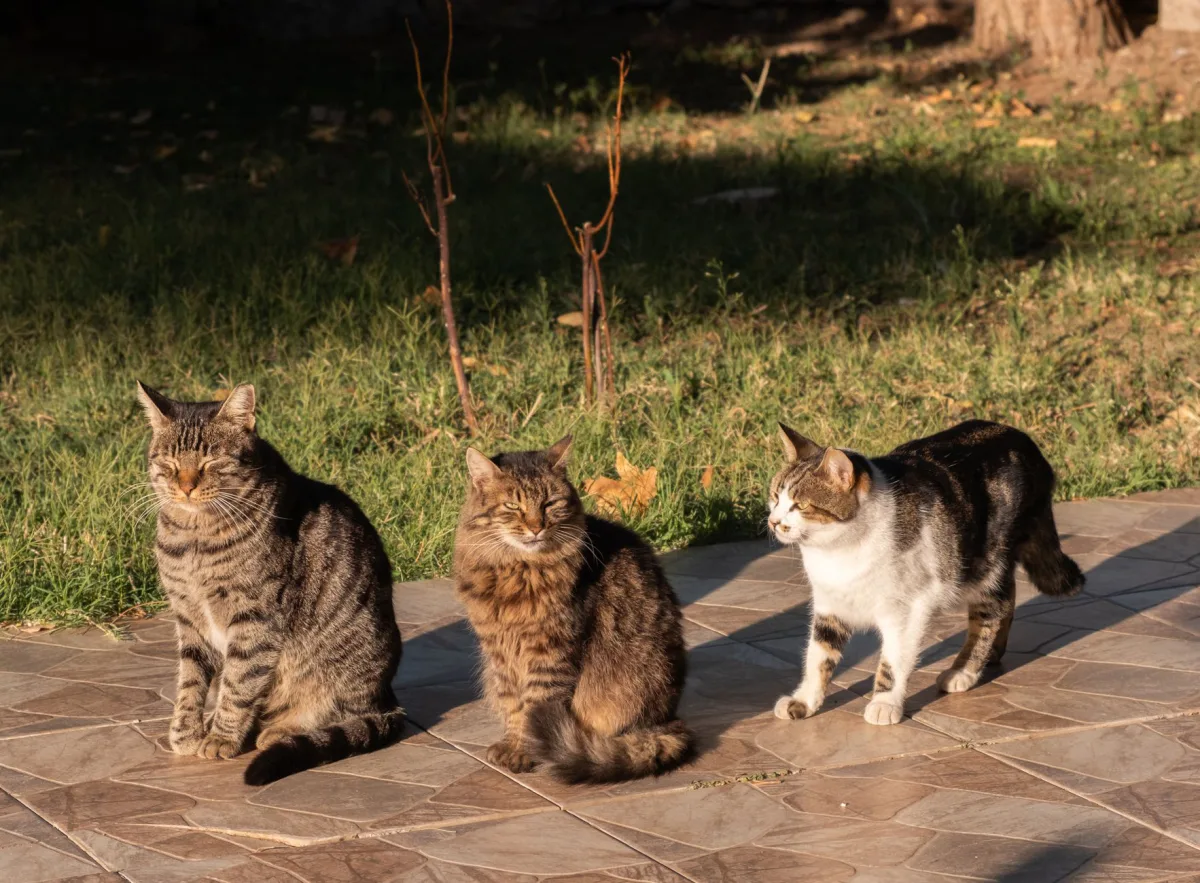
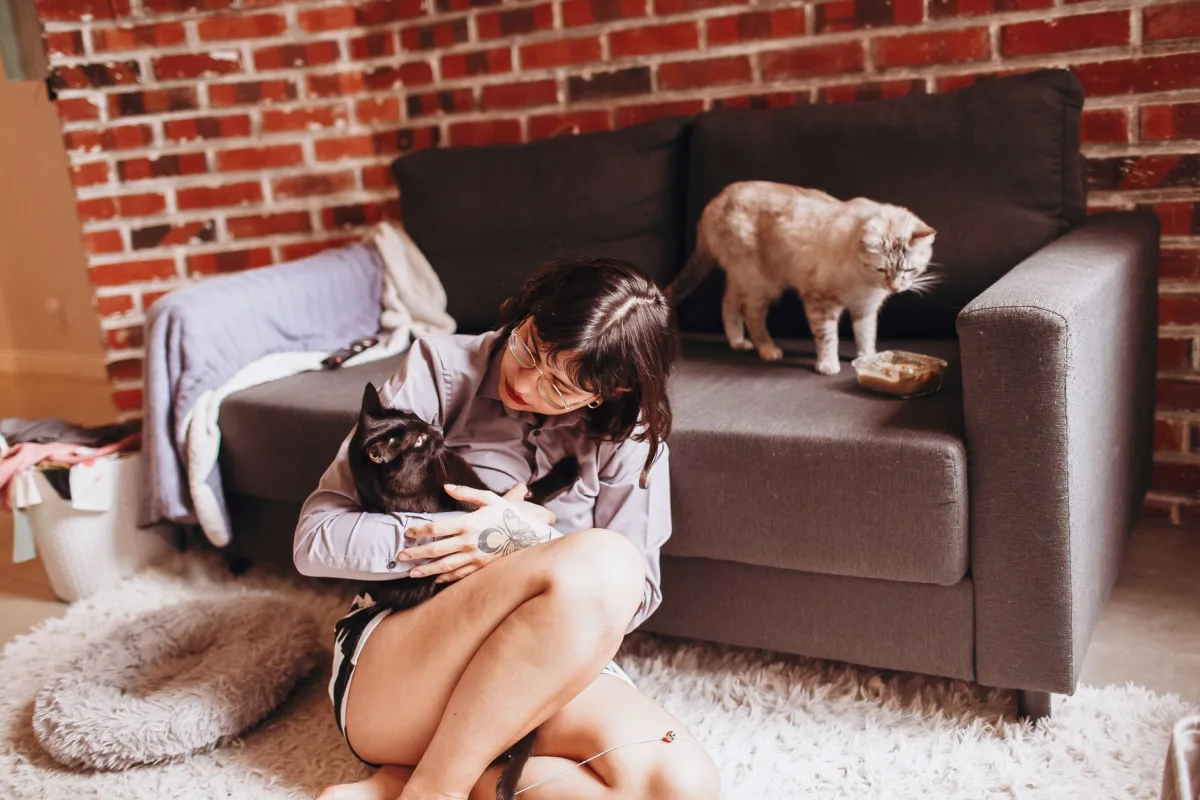
If the house smells like cats, the problem is almost never the cat itself. Source litter box, leakage points, textiles and ventilation should be examined sequentially. The way to permanently defeat the odor is not with a single product, A 12 step routine It all comes down to: the right number of pots, scooping twice a day, absorbent litter, enzyme cleaning and air circulation. Perfume and air freshener mask the odor, not dissolve it.
The phrase “I notice when guests come” is a classic — our nose gets used to the smell of our own home. This article offers a plan to systematically eliminate cat odor in the house, starting from the source.
Find the source first
Random cleaning is tiring and fruitless. Narrow down where the smell is coming from:
| Where is it concentrated? | Possible source | What to do first |
|---|---|---|
| The room with the litter box | Scooping and lack of sand | Make your routine more frequent |
| Spread throughout the house | Ventilation + textile | Circulation and washing |
| A specific corner or wall base | Leaked urine | Enzyme cleaning |
| Sofa and bed | Feather, saliva, paw residue | Textile cleaning |
| On carpet | Absorbed urine | Deep cleaning |
| The cat itself | Dirty feather, health problem | Check and vet |
12 step solution plan
- Verify number of containersNumber of cats + 1. If a single container is loaded, it will definitely smell. See How many cats and how many litter boxes?.
- Scoop twice a dayMorning and evening. The source of the odor is the waiting waste. See how to clean.
- Make the sand depth 5-7 cmShallow sand deposits liquid to the bottom. See how much sand to put.
- Wash the container once a monthHot water and unscented soap. See disinfection.
- Replace worn containerScratched plastic absorbs the smell, washing it is useless.
- Review the location of the containerHumid and unventilated areas magnify the odor. See where to put.
- Switch to a highly absorbent sandActivated carbon sands retain the odor molecule; cat litter from olive pits It is a fragrance-free option in this group (8 liters).
- Clean around the containerScattered sand and debris leave an odor on the ground. See litter scatter And litter mat.
- Wash textilesCovers, pillowcases and blankets where the cat sleeps.
- Clean leak points with enzymesNormal detergent does not dissolve uric acid residue.
- Circulate airCross ventilation twice a day; air purifier with HEPA + carbon filter if necessary.
- Check the catIf there is debris in the fur, bad breath or weight loss, see the vet.
Do not change the order: First the litter box arrangement, then leaked urine, lastly textile and air. Textile cleaning done while the welding is on is wasted in a few days.
Textiles and furniture
Fabric surfaces store odor. Wash washable items at 60 degrees; For sofas and carpets that cannot be washed, baking soda dry cleaning or a steam machine will work. Determining the two or three spots where the cat sleeps most and covering it with a washable cover is the most practical solution in the long run.
A word of warning: spraying perfume directly on sofas and carpets can make the smell last; perfume molecules combine with urine residue on the fabric, leaving a heavier mixture.
Leaky urine points
Urinating outside the container is the most common cause of persistent odor in the home. You can darken the room during the day and use a UV flashlight to find unseen spots — dry urine stains will glow.
The points you found with enzyme soak it with a cleanser, let it sit for a few minutes, and dry it. Enzymes break down uric acid crystals; Ordinary detergent cleans the surface but leaves the crystal and the smell returns when it gets wet.
Why does the cat pee outside the bowl? The container is dirty, the location is uncomfortable, they don't like the type of litter, or there is a health problem. For detail The cat is confused about its toilet And won't use the litter box See our articles.
Sand that holds the odor at its source
Once you refine your routine, the only variable left is sand. Cat litter from olive pits It contains activated carbon, is dust-free and 100% natural.
8 L olive pit cat litter triple pack olive pit cat litter See all cat litters
Don't do it
True
- Find the source and start from there
- Using enzyme cleaner
- Regular ventilation
- Absorbent, odor-retaining sand
- Increasing the number of containers
False
- Covering it with air freshener
- Using ammonia cleaner
- Bathing the cat frequently
- Exiling the litter box to the balcony
- Loading up on scented candles and incense
Do not use ammonia cleaner. Because the smell of ammonia resembles a cat's urine marking, it may encourage the cat to urinate in the same spot. It also releases harmful gas when mixed with bleach.
Strongly scented candles and incense are also not a good idea: their smoke can irritate cats' respiratory tract and will not solve the odor problem. For the safety of spray and granule products odor eliminating products See our article.
Frequently asked questions
Why does the house smell like cats?
The most common cause is litter box routine: insufficient scooping, little sand, low number of containers. Leakage of urine outside the container comes second, and odor accumulated on textiles and inadequate ventilation come third.
Does air freshener work for cat odor?
No, just masks. When the source is not cleaned, the smell returns within a few hours; Additionally, intense perfume may disturb cats.
How to remove cat urine smell from carpet?
With enzyme cleaner. Enzymes break down uric acid crystals. Ordinary detergent cleans the surface, but since it remains crystal, the smell returns when it gets moisture.
Does bathing the cat reduce the odor?
Usually not necessary. A healthy cat cleans itself; Frequent washing may damage skin health. If there is any residue on the feather, local cleaning with a damp cloth is sufficient.
Is an air purifier good for cat odor?
Supportively, yes, especially models with HEPA and activated carbon filters. However, it is not a solution alone without cleaning the source.
Related articles
Tags for this post

The team that produces sand in our production facility in Ayvalık turns the most frequently asked questions in the field into a guide. Health-related sections are general information; It is not a substitute for a veterinary examination.