Wheat cat litteris a herbal cat litter that clumps thanks to the natural starch and enzymes of milled wheat. Its highlights are its soft paw feel and biodegradability. Weaknesses: medium powder, high moisture sensitivity, risk of mold and insects. Additionally, caution should be exercised in cats with grain sensitivities and household members with wheat allergies. Some cats may be tempted to eat the litter due to the smell of the food.
Wheat sand is one of the oldest members of the "natural sand" category. In this article, we discuss what it really offers and in which cases it should not be preferred.
What is wheat cat litter?
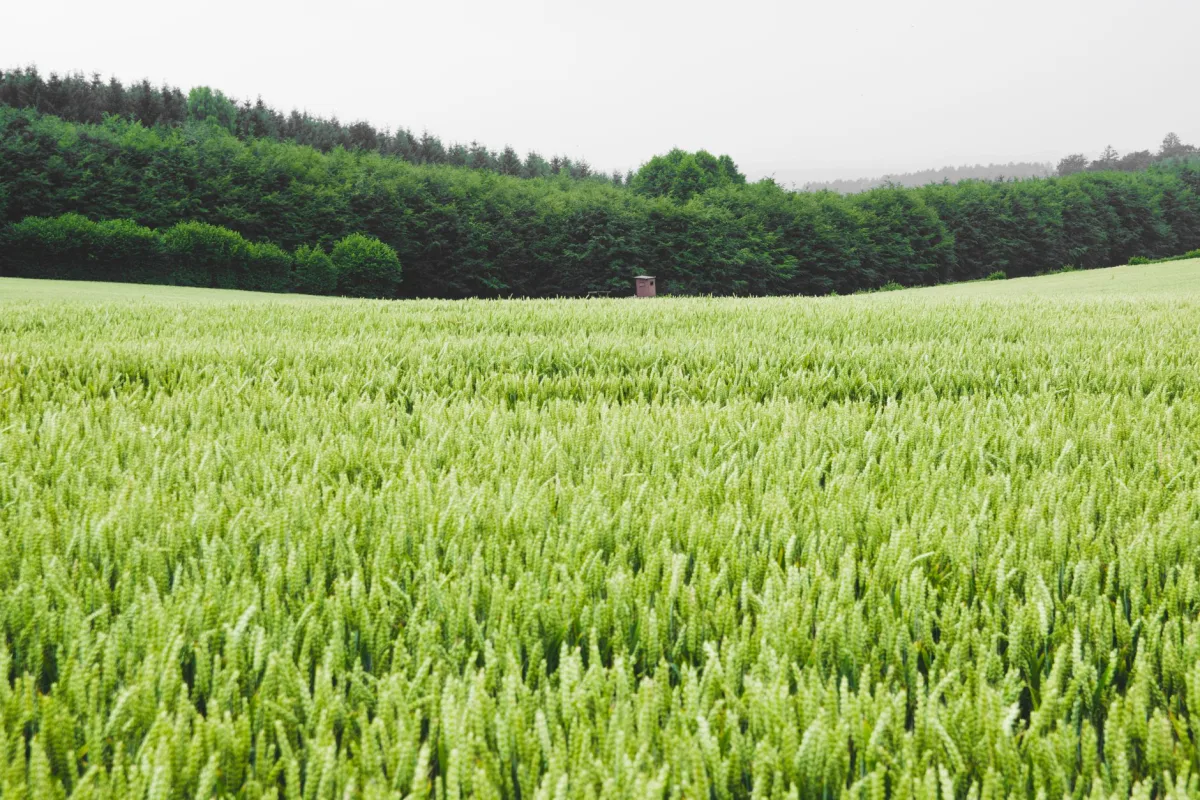
It is produced by grinding wheat grains and turning them into granules. Generally, wheat that is not suitable for human consumption or is a by-product is used. The granules are light beige in color and feel soft under the paw.
Wheat has a unique advantage: the natural enzymes it contains contribute to the breakdown of some odor-forming compounds. However, this effect activated carbon It is not as strong as the adsorption it provides.
How does it clump?
When wheat starch comes into contact with water, it gels and sticks the granules together. Mechanism corn sand very similar.
The lumps are medium hard — noticeably softer than bentonite, from olive stone sand It is also a little looser. It requires caution when scooping; It may fall apart if pressed hard.
Pros and cons
Pros
- Clumps, can be used with standard container
- Soft feel under paws
- Light
- Biodegradable and herbal
- Natural enzymes slow down odor formation
Cons
- Medium dust (highest among vegetable sands)
- High humidity sensitivity
- Risk of mold and insects
- Risk of grain sensitivity
- It may trigger the tendency to eat sand
- Lumps are relatively loose
4 situations to pay attention to
- Households with wheat allergyFor people who are sensitive to grain dust, the dust released when pouring sand may be a trigger. See cat litter allergy in humans.
- Cats with grain sensitivityContact reactions are rarely reported in cats diagnosed with food allergy. Consult your veterinarian. See hypoallergenic litter.
- Humid climateThe risk of mold growth increases in coastal areas and humid homes. See mold, storage.
- Tendency to eat sand (pica)The smell of grain may trigger this behavior. See pica guide.
Mold warning: Mycotoxins may form in moistened grain-based materials. If you notice discoloration, clumping or a musty odor in the sand, do not use it and replace it entirely. EFSA It regularly evaluates mycotoxins within the scope of food and feed safety.
Comparison with other natural sands
| Criterion | Wheat | Corn | Olive pit |
|---|---|---|---|
| Clumping | Middle | Middle | Tight |
| Dust | Middle | Low | Low |
| Odor control | Medium (enzyme) | Middle | High (activated carbon) |
| Moisture sensitivity | High | High | Low |
| Allergy risk | Grain sensitivity | Low | Low |
| Feel under paws | Soft | Soft | Soft-medium |
| Biodegradable | Yes | Yes | Yes |
For all types: 8 types of comparison charts. General evaluation of natural sands: natural and organic cat litter guide.
Grain-free natural alternative
Natural sand without the worry of grain sensitivity: cat litter from olive pits.
single 8 L natural cat litter natural pine pellet cat litter All cat litter types
Frequently asked questions
Is wheat cat litter good?
It is a reasonable option in terms of clumping, soft paw feeling and biodegradability. Weaknesses are moderate dust, high moisture sensitivity and risk of grain sensitivity.
Does wheat cat litter cause allergies?
It may be a trigger in people who are sensitive to grain dust and in cats diagnosed with grain allergies. In these cases, a grain-free alternative should be preferred.
Does wheat cat litter become moldy?
Yes, if stored in a humid environment. Since it is grain-based, an environment suitable for microbial activity is created; Dry and cool storage is essential.
How much dust does wheat cat litter create?
It is one of the highest dust content among vegetable sands; still significantly less than bentonite.
What happens if my cat eats wheat litter?
Ingestion of small amounts usually does not cause problems, but regular sand-eating behavior (pica) always requires veterinary evaluation. Moldy sand should never be used.
Related articles
Tags for this post

The team that produces sand in our production facility in Ayvalık turns the most frequently asked questions in the field into a guide. Health-related sections are general information; It is not a substitute for a veterinary examination.