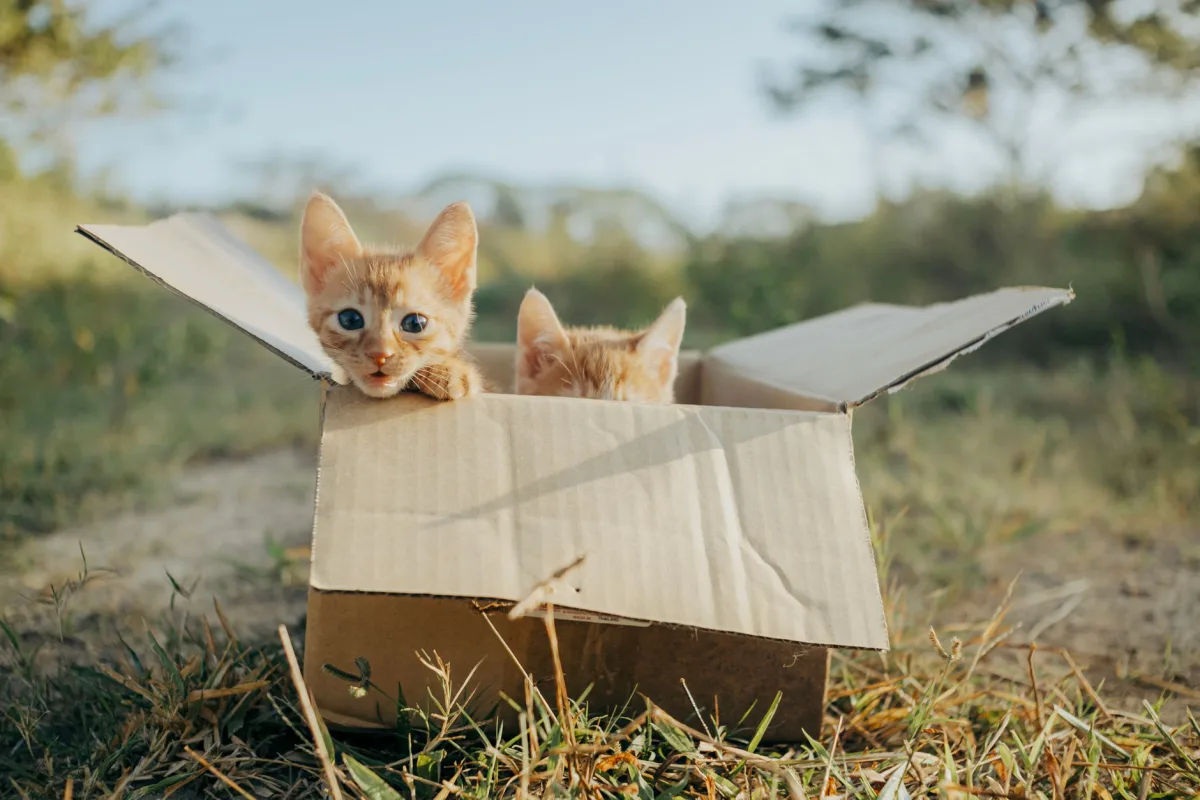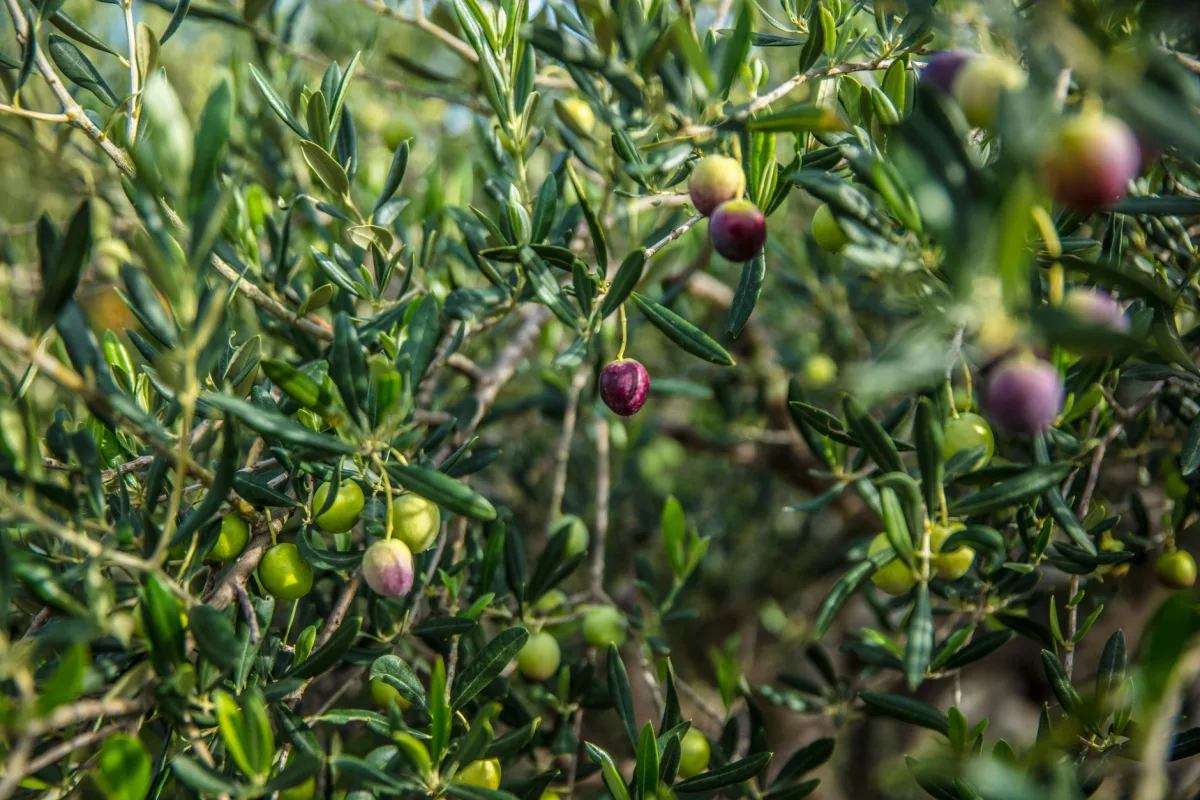
Biodegradable cat litter, Made from organic raw materials that can be degraded by microorganisms produced sand: olive stone, pine, paper, corn, wheat, soy. Mineral sands (bentonite, silica) are not biodegradable. However, there is an important reservation: biodegradability occurs if the product reaches suitable conditions. Sand that goes to the landfill in a sealed bag cannot use a significant part of this advantage because it waits in an oxygen-free environment. So the label alone is not enough; main earnings raw material and weight is on the side.
“Biodegradable” is one of the cat litter market's most frequently used and least questioned claims. This article explains what the term actually means and how well it works in practice.
What does biodegradable mean?
Biodegradability is the ability of a material to be decomposed into water, carbon dioxide and biomass by microorganisms (bacteria, fungi). Three conditions are required for this to happen: oxygen, moisture and appropriate temperature.
When these three conditions are not met, degradation is very slow or proceeds in a different way (in an oxygen-free environment). The interiors of landfills are exactly such an environment—a general limit for biodegradable products, not specific to cat litter.
Which sands are biodegradable?
| Litter type | Biodegradable | Source |
|---|---|---|
| Olive pit | Yes | Olive oil by-product |
| Pine pellets | Yes | Forest byproduct |
| Paper | Yes | Recycled paper |
| Corn | Yes | Agricultural product |
| Wheat | Yes | Agricultural product |
| Tofu (soy) | Yes | Soy byproduct |
| Bentonite | No | Clay mine |
| Crystal (silica) | No | Silica sand |
Attention to mixed items: Some products mix plant material with bentonite; This composition to enhance agglomeration prevents the product from being fully biodegradable. Check the ingredient list on the label — “herbal” does not mean the product is 100% herbal.
Matter of condition
For a biodegradable sand to realize its advantage, it is important where it goes:
| Way of disposal | Does biodegradation occur? | Suitability |
|---|---|---|
| Dispose of in a sealed bag | Largely no | The most common and practical way |
| Municipal organic waste collection | If yes | See local rules |
| Home compost | Partially | Should not be used for food plants |
| Burying in the garden | Partially | Pay attention to local rules and hygiene |
| Pouring into toilet | — | Not suitable |
Compost warning: Used cat litter contains cat feces. It should not be used on plants grown for food purposes.. Some parasites can survive in home compost if the temperature is not high enough. It is necessary to be cautious in this regard, even for unused sand residues or only the urine part. Detail: compost And toxoplasma.
Where is the real advantage?
The most concrete benefit of biodegradable sands is more than the waste phase. at the beginning of the chainis:
- Renewable raw material. It does not require opening a mine.
- By-product evaluation. Olive pits and pine pellets use an already formed byproduct.
- Lightness. It reduces transport emissions.
- No chemical additives. It generally does not contain perfume or colorants.
- Plumbing compatibility. Some products may be flushed down the toilet in small amounts; still depends on local infrastructure. See Does it pour into the toilet?.
Cat litter from olive pits It meets all of these substances: it is biodegradable, produced from by-products, lightweight and does not contain chemical additives. But to be honest, biodegradability isn't the strongest environmental argument for this product — the real argument is the evaluation of a waste raw material. For the process recycling of olive waste See our article.
Correct disposal
- Learn local rulesDoes your municipality have organic waste collection?
- Use a sealed bagIt is necessary for hygiene.
- Do not flush it into the toiletIt is risky in terms of installation and treatment.
- Do not use on food plantsIf you are composting, limit it to ornamental plants and still be careful.
- Separate the packagingSee packaging.
- Reduce consumptionThe most effective method: fertile sand and regular scooping.
For waste management and food safety framework EFSA And WHO resources provide general information; Consult your municipality's waste management department for local practices.
In summary: the "biodegradable" label is a starting point, not a conclusion. The decision made without looking at the raw material, weight and efficiency of the product will be incomplete. Cat litter from olive pits It is advantageous in all three aspects: it comes from by-products, it is light and it is consumed less thanks to its absorbency.
Biodegradable and free of byproducts
Olive pit cat litter is biodegradable; but its main advantage is that it utilizes an already formed by-product.
single 8 L natural cat litter natural pine pellet cat litter All cat litter types
Frequently asked questions
What is biodegradable cat litter?
It is sand produced from organic raw materials that can be degraded by microorganisms: olive stone, pine, paper, corn, wheat and soy-based products. Bentonite and silica are not biodegradable.
Does biodegradable sand dissolve when thrown into the trash?
Largely no. Sand that goes to a regular landfill in a sealed bag cannot use a significant part of its biodegradability advantage because it waits in an oxygen-free environment.
Can used cat litter be composted?
It should not be used on plants grown for food purposes. Some parasites can survive in home compost when sufficient temperatures are not reached.
Is every litter labeled biodegradable completely vegetal?
No. Some products mix plant material with bentonite. See the ingredient list; The term "herbal" does not mean 100% herbal.
What is the main advantage of biodegradable sand?
At the beginning of the chain rather than at the waste stage: renewable raw materials, by-product utilization, lightness and no chemical additives.
Related articles

The team that produces sand in our production facility in Ayvalık turns the most frequently asked questions in the field into a guide. Health-related sections are general information; It is not a substitute for a veterinary examination.