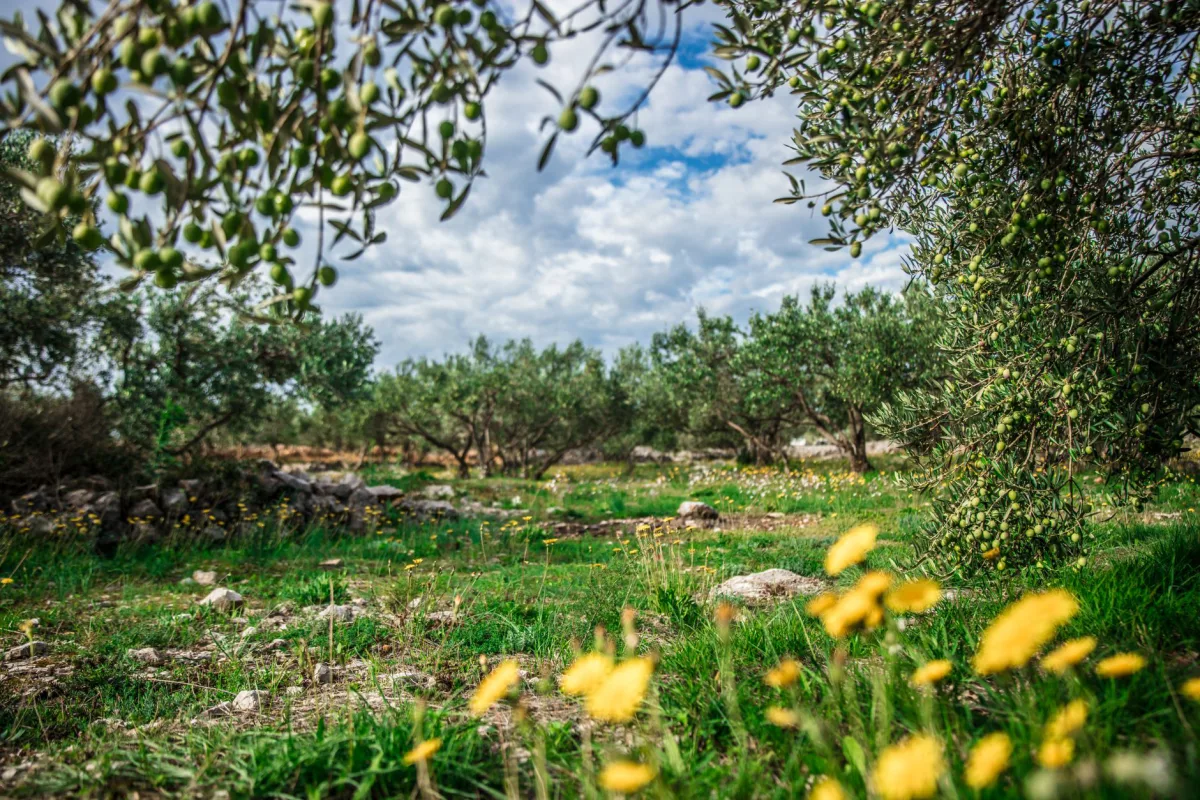
Cat litter from olive pits It is one of the sand types with the lowest risk of allergies; Because Does not contain artificial perfumes, clay powder and chemical additives — these are the three primary triggers of cat litter-related reactions. However, the “non-allergy” guarantee cannot be given for any natural product: although rare, individual sensitivity to herbal ingredients may occur. There is an important point to know: olives pollen olive pit allergy to the material contact are different things; processed, dried seed granules do not contain pollen.
Choosing litter is a critical decision for cat owners who have an allergic person at home or who observe symptoms such as itching and sneezing in their cats. In this article, we discuss the real triggers of allergies and choosing the right litter.
3 main triggers in cat litter
- DustThe most common trigger. Fine particles reach the respiratory tract; It causes irritation in both cats and humans. Clay-based sands are the riskiest group in this regard. See cat litter dust.
- Artificial perfumeSynthetic fragrance ingredients may cause reactions in sensitive individuals and cats. It is also a deterrent for cats. See scented or odorless?.
- Chemical additivesAntibacterial agents, synthetic flocculants and colorants pose additional contact risks.
Olive stone sand is excluded from all three items: it is sifted to reduce the dust fraction, does not contain perfumes and uses only vegetable oil as an additive. activated carbon uses.
I have an allergy to olive pollen, is it a problem?
This is one of the most frequently asked questions about the product and the answer is clear: they are two different things.
| Olive pollen allergy | Olive pit cat litter | |
|---|---|---|
| Source | Flower pollen of tree | The hard inner core of the fruit |
| Season | Spring (bloom) | Regardless of season |
| Spread | In the air, in the open field | Granules in closed packaging |
| Processing | Unprocessed, live pollen | Washed, dried at high temperature |
The bean is washed and dried at high temperature during the production process — see fig. production process. However, if you have a known food or plant allergy, it is best to consult your physician before using any new product.
Allergy symptoms in cats
Respiratory symptoms
- Sneezing, runny nose
- Cough or wheezing
- Difficulty breathing
- Symptoms that increase after leaving the litter box
Skin and paw symptoms
- Redness on paws
- Excessive paw licking
- Itching in the abdomen and legs
- Feather loss
Important: These symptoms can be caused by many reasons other than cat litter — food allergy, fleas, house dust mites or seasonal allergens. Consult your veterinarian before changing litter. Cornell Feline Health Center And International Cat Care They are reliable starting sources.
How to test?
If you suspect a reaction from sand elimination method It is applied: a gradual transition to dust-free, perfume-free sand is made and observation is made for 2-4 weeks. No other variables should be changed in this process (food, cleaning product, new furniture). Transition plan: 7-day transition.
Symptoms in humans
Sand-induced reactions generally while pouring or while cleaning occurs: sneezing, nasal congestion, watery eyes, itchy throat. In this situation, the main culprit is often sand dust and perfume.
Attention: cat allergy can be confused with cat litter allergy. The main source of cat allergy is the cat's saliva and skin. Fel d 1 is protein; Changing sand won't fix this. Detail: Does cat litter cause allergies in people?.
Allergy risk by species
| Litter type | Dust | Perfume prevalence | General risk |
|---|---|---|---|
| Olive pit | Low | None | Low |
| Pine pellets | Too low | Natural resin scent | Low (except sensitivity to resin) |
| Paper | Too low | Usually not | Too low |
| Crystal (silica) | Low–medium | Sometimes | Middle |
| Corn/wheat | Middle | Sometimes | Medium (grain sensitivity) |
| Bentonite | High | Chic | High |
For sensitive situations, see also Choosing hypoallergenic cat litter And litter after surgery.
8 precautions to take
- Choose sand that is dust-free and perfume-free.
- Pour the sand slowly, keeping it close to the bottom of the container.
- Wear a mask and open the window when changing litter.
- Place the litter box in a well-ventilated area. See placement.
- Instead of sweeping around the container, wipe it with a damp cloth.
- Reduce particle dispersion by using a sand mop. See mat.
- Do not add deodorizing spray and powder. See deodorizers.
- Wash hands after cleaning.
Perfume-free, additive-free, dust-free
For allergic households and cats with respiratory sensitivities cat litter from olive pits.
8 L olive pit cat litter pine pellet cat litter 5 kg See all cat litters
Frequently asked questions
Does olive pit cat litter cause allergies?
It is one of the sand types with the lowest allergy risk; It does not contain artificial perfume, clay powder and chemical additives. However, no "allergy-free" guarantee can be given for any natural product.
I am allergic to olive pollen, can I use this sand?
Olive pollen and processed olive pits are different things; The kernel is washed and dried at high temperature, free of pollen. If you have a known plant allergy, still consult your physician.
Can I tell if my cat is allergic to sand?
By elimination method: gradually switch to dust-free, perfume-free sand and observe for 2-4 weeks. Do not change other variables such as food and cleaning product during this process. Get a veterinary evaluation first.
Which cat litter is most suitable for allergic cats?
Dust-free and perfume-free: olive pits, pine pellets and paper-based sands. Highly dusty and perfumed bentonite sands are the most risky group.
Will changing litter solve my cat allergies?
No. The main source of cat allergy in humans is the Fel d 1 protein in the cat's saliva. Sand replacement only reduces reactions caused by dust and perfume.
Related articles
Tags for this post

The team that produces sand in our production facility in Ayvalık turns the most frequently asked questions in the field into a guide. Health-related sections are general information; It is not a substitute for a veterinary examination.