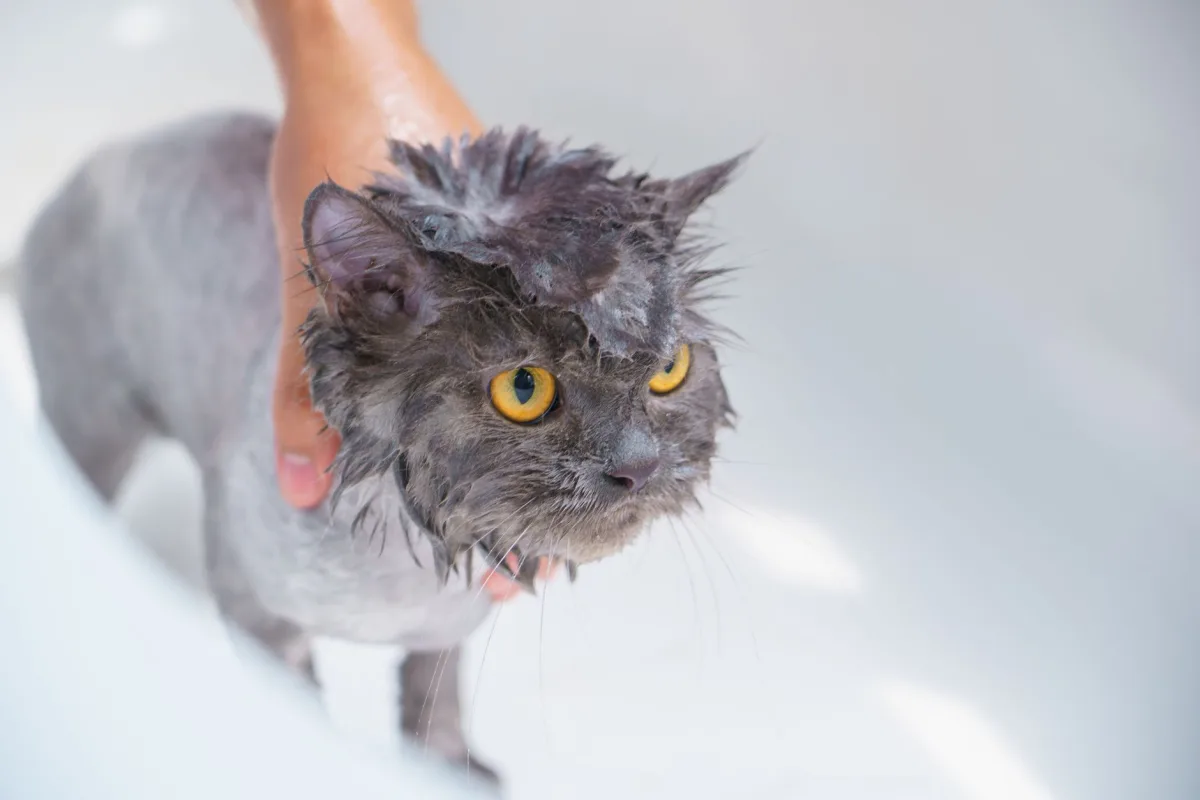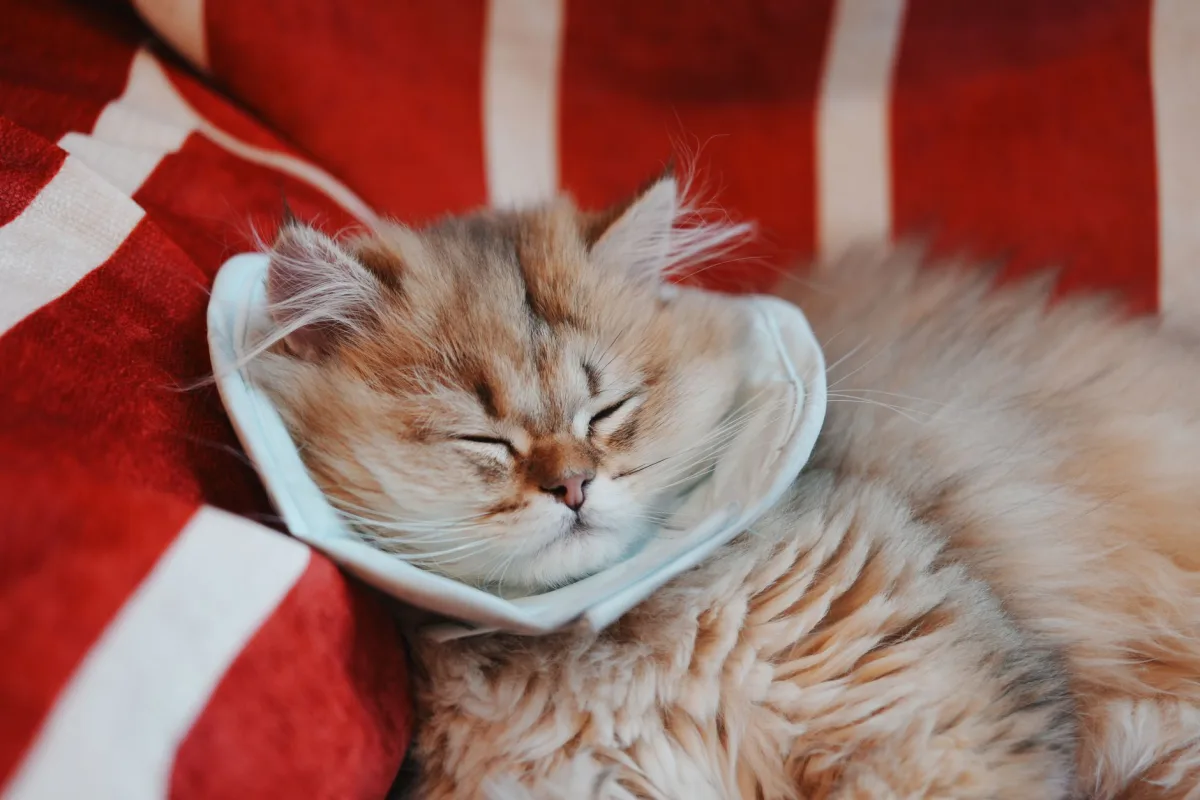
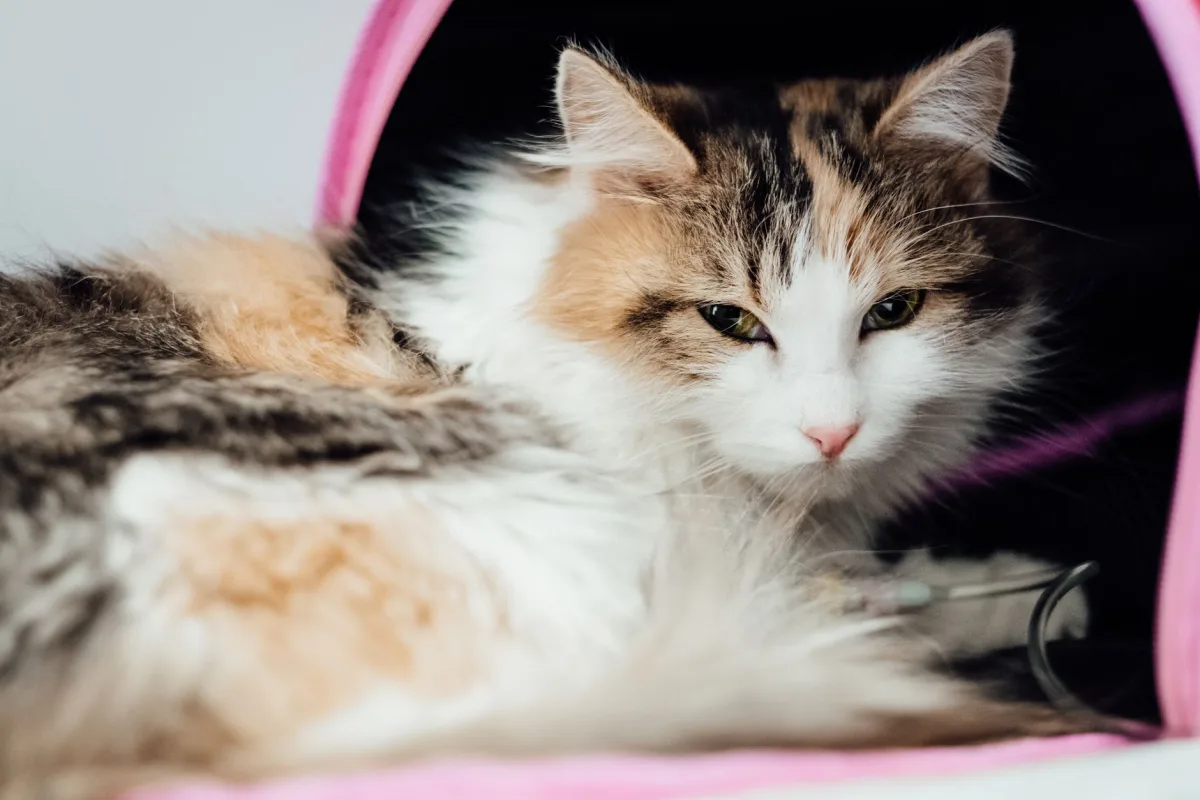
Diarrhea in cats; It may be caused by dietary changes, parasites, infection, stress or underlying diseases. Diarrhea that lasts more than 24 hours, is bloody, is accompanied by vomiting, or is seen in kittens requires immediate veterinary evaluation—dehydration develops rapidly, especially in kittens. There are three things that are important during the period of diarrhea on the sand side: a highly absorbent sand, frequent cleaning And hygiene. Since watery feces cannot be scooped up, sand is consumed more frequently and more; This is a temporary period.
Important: This article is for informational purposes. Do not give human medication to a cat with diarrhea. Diarrhea becomes serious more quickly in kittens, the elderly, and those with chronic diseases; Apply early.
Causes
- Sudden food change. It is common if the transition to the new food does not extend over several days.
- Inappropriate food. Human food, dairy and fatty foods.
- Intestinal parasites. Especially with kittens and cats going outside.
- Infections. Bacterial, viral or parasitic factors.
- Stress. Moving, new person, change of routine. See stress and toilet.
- Food intolerance or allergy. Reaction to certain ingredients.
- Chronic intestinal diseases. It is investigated in recurring tables.
- Medication side effects. It can be seen after antibiotic use.
When to the vet?
Apply without delay:
• If diarrhea lasts longer than 24 hours
• If there is blood or a dark tar-like color in the stool
• If accompanied by vomiting
• If the cat seems lethargic, poor appetite or dehydrated
• If it is a kitten, an old cat or a cat with a chronic disease
• If there is fever or abdominal tenderness
• If diarrhea recurs
On the way to the vet take a stool sample Significantly speeds up the diagnostic process. A fresh sample taken in a clean bag is required for parasite examination. Also for situations where you see blood in the sand blood in the litter See our article.
Sand selection during diarrhea
During diarrhea, the work of the sand becomes difficult: the watery feces do not clump together, cannot be removed whole with a scoop, and disperse into the sand. During this period, priorities change:
| Feature | Why is it important? |
|---|---|
| High absorbency | Quickly traps liquid, reduces spread |
| Odor retention | The odor of diarrhea is evident |
| Easy full replacement | During this period, the sand is renewed frequently. |
| Low dust | Frequent change means frequent dust |
| Unscented | To prevent the sick cat from rejecting the bowl |
| Economical package | Consumption increases temporarily |
Cat litter from olive pits It makes the job easier during this period with its high absorbency and active carbon odor control; Since it is perfume-free, it does not increase the risk of the sick cat rejecting the bowl. As consumption increases 2-pack becomes practical during this period.
Increase sand depth: During diarrhea, a depth of 7-8 cm prevents the liquid from reaching the bottom and pooling in the container. Also shorten the full change interval.
Hygiene and cleaning
The feces of a cat with diarrhea may carry a higher microbiological load than during normal periods — especially if a parasitic or bacterial agent is involved. Tighten the hygiene protocol during this period:
- Empty the container more oftenFrequent full changes instead of partial rowing.
- Wash hands with soap after each cleaningAt least 20 seconds.
- Use glovesEspecially pregnant women and immunocompromised people.
- Wash the bowl and scoopHot water and unscented soap. See disinfection.
- Dispose of waste in a sealed bagSee how to dispose of it.
- Separate bowls in a multi-cat householdIf possible, provide a separate bowl and a separate paddle for the sick cat.
- Wipe around the containerThere may be splashing.
For the whole topic of hygiene cat litter and bacteria See our article. International Cat Careemphasizes hand hygiene as a basic precaution against the risk of fecal contamination in cats with diarrhea.
Back to normal afterwards
Once the diarrhea is over, you can return your litter pattern to its previous state. Do not make this transition suddenly: if you have changed the sand type, mix it over a few days. for method switching brands See our article.
Recurrent diarrhea is not an issue that can be solved only by sand regulation; Nutrition and underlying causes should be evaluated with your veterinarian.
Although the diarrhea period is temporary, it significantly increases sand consumption; That's why it's a practical precaution to have a spare pack on hand. Cat litter from olive pits With its high absorbency, it delays watery feces from falling to the bottom of the container and pooling, making cleaning easier.
High absorbency for tough periods
8 liter pack of twoIt allows you to have clean sand without interruption during the diarrhea period when consumption increases.
double 8 L olive pit cat litter 8 liters of olive pit cat litter All cat litter packages
Frequently asked questions
My cat has diarrhea, when should I go to the vet?
If it lasts longer than 24 hours, if it is accompanied by blood or vomiting, if the cat is lethargic and has no appetite, or if it is a kitten, an elderly cat, or a cat with a chronic disease, seek medical advice without delay.
Which sand should be used during diarrhea?
A highly absorbent, odor-retaining, dust-free and perfume-free sand. Since watery feces do not clump together, frequent complete changes are required during this period.
Should the litter box of a cat with diarrhea be changed more frequently?
Yes. Partial cleaning is not sufficient because watery feces cannot be removed as a whole with a scoop; Frequent complete replacement is required and sand consumption increases temporarily.
Can I get anything from the feces of a cat with diarrhea?
The risk may increase depending on the factor. Wash hands with soap after each cleaning, use gloves and clean the bowl and scoop regularly.
Should I take a stool sample to the vet?
Yes, a fresh stool sample is very useful for parasite examination and speeds up the diagnostic process.
Related articles
Tags for this post

The team that produces sand in our production facility in Ayvalık turns the most frequently asked questions in the field into a guide. Health-related sections are general information; It is not a substitute for a veterinary examination.