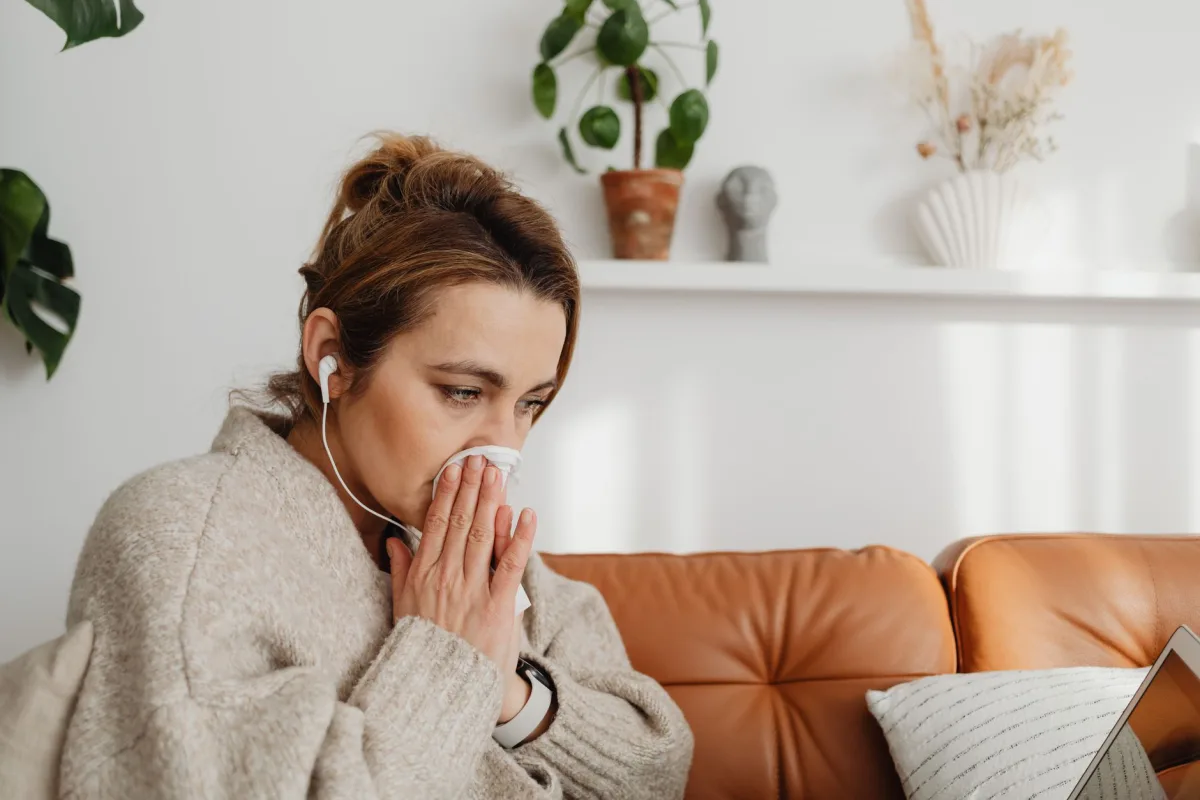
Cat litter can cause complaints in people — but this is often more than an actual allergy. Irritation caused by dust and perfume. The classic "cat allergy" is to the cat's saliva and skin proteins, not to the sand; However, the litter box also contains these allergens and is ventilated while paddling. Way to reduce complaints: dust-free and perfume-free sand, mask when changing sand, good ventilation and hand washing after cleaning. If symptoms persist, a physician should perform the evaluation.
Notes: This article is for general information purposes. Allergy diagnosis and treatment belongs to the physician; People with asthma or chronic respiratory problems should consult their doctor.
What is the source of the complaint?
| Source | Mechanism | What to do |
|---|---|---|
| Litter dust | Mechanical irritation | Dust-free sand, mask |
| Perfume and fragrance additive | Respiratory irritation | Fragrance-free product |
| Cat allergens | True allergic response | Physician evaluation |
| Mold spores | Respiratory trigger | Dry storage |
| Ammonia | Mucosal irritation | Frequent scooping, ventilation |
| Vegetable sand powder | Rarely irritation | Well sieved product |
It is noteworthy that most of the items on the list It is not an allergen but an irritant. The distinction is important because their solutions are different.
Allergy or irritation?
Suggestive of irritation
- Appears only during sand change
- It passes quickly when you move away from the environment
- Significant decrease when wearing a mask
- Improvement when sand type is changed
Suggestive of allergy
- Constantly being in the same environment with the cat
- It increases when you caress the cat
- Accompanied by eye itching and skin rash
- It lasts even if the sand changes
Only the doctor makes the exact distinction. But these two pillars give you a practical idea in which direction you should move.
9 ways to reduce exposure
- Use dust-free sandThis is where the single biggest difference is made.
- Choose fragrance-free productsFragrance additives are the second main source of irritation.
- Wear a mask when pouring sandA simple mask makes a significant difference.
- Pour slowlyBy holding it close to the edge of the container, not from high.
- VentilateOpen the window during and after the sand change.
- Do full changes less oftenComplete replacement is less necessary when scooping regularly; The dustiest moment is complete change.
- Keep the container out of the bedroomSleeping area prolongs exposure time.
- Wash hands after cleaningDefinitely before contact with eyes and face.
- Use an air purifierDevices with HEPA filters reduce particle load.
Task sharing: If there is someone at home who is not allergic, the most effective solution is for that person to undertake the cleaning of the litter box. This is a much more reasonable arrangement than giving up the cat.
Choosing litter
The features to look for to reduce complaints on the human side are largely the same as on the cat side: low dust, no perfume, no chemical additives.
- Pellet forms (paper, pine, tofu) are advantageous in terms of dust.
- Well-sifted vegetable sand It produces low dust and does not contain crystalline silica.
- Fine clay sands It is the dustiest category; It is not recommended in homes with complaints.
- No products with perfumes It is not suitable for these homes.
Cat litter from olive pits It is of vegetable origin, does not contain perfume and does not contain crystalline silica; It is a reasonable starting point in an allergy-friendly household. For details of the dust issue cat litter dust, for sensitivity on the cat's side hypoallergenic litter See our article.
Situations requiring additional attention
- Those with asthma. Dust can be a direct trigger; If possible, someone else should do the sand change.
- They are pregnant. Separate precautions are required for toxoplasma. See toxoplasma and pregnancy.
- People who are immunocompromised. Hygiene protocol should be applied more meticulously. See cat litter and bacteria.
- Small children. Their access to the litter box should be prevented.
- People with known allergies. Combine physician recommendations with litter pattern.
There are many homes where people with cat allergies can live with cats; The key is a set of regulations that reduce exposure. International Cat Care It draws attention to the importance of domestic regulations in this regard. However, if symptoms are severe or persistent, it is necessary to consult a physician for personal evaluation.
When there is an allergic person at home, only one question determines the choice of litter: how much dust remains in the air when you open the package and fill the container? Cat litter from olive pits It is in the group that gives good results in this test; Additionally, since it does not contain perfume, it does not add a second source of irritation.
Without dust and perfume
Olive pit cat litter It is perfume-free, does not contain crystalline silica and is dust-free.
8 L olive pit cat litter pine pellet cat litter 5 kg See all cat litters
Frequently asked questions
Does cat litter cause allergies in people?
It may cause complaints, but this is usually irritation from dust and perfume rather than actual allergy. Classic cat allergy is against the cat's saliva and skin proteins.
Should I wear a mask when changing sand?
Yes, if you have allergies or asthma. The dustiest moment is complete change; A simple mask and good ventilation make a significant difference.
Which sand should be used in a home with allergies?
Dust-free, perfume-free and chemical-free sand. Pellet forms and well-sifted vegetable sands are advantageous; Fine clay sands should be avoided.
I have a cat allergy, do I have to give up the cat?
In most cases no. It is possible to live with regulations that reduce exposure; However, if symptoms are severe or persistent, you should evaluate them with your own physician.
Does an air purifier work?
Devices with HEPA filters help by reducing the particle load in the environment, but they are not a solution alone without reducing the source.
Related articles
Tags for this post

The team that produces sand in our production facility in Ayvalık turns the most frequently asked questions in the field into a guide. Health-related sections are general information; It is not a substitute for a veterinary examination.