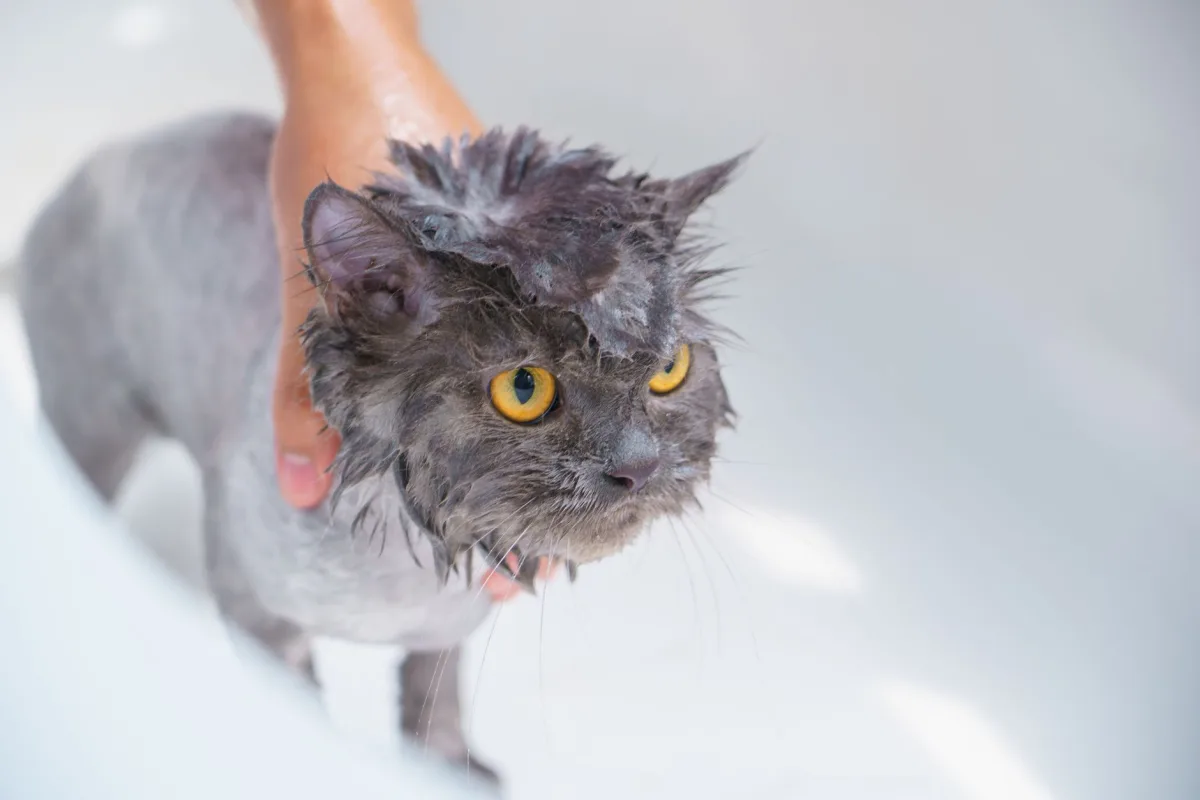
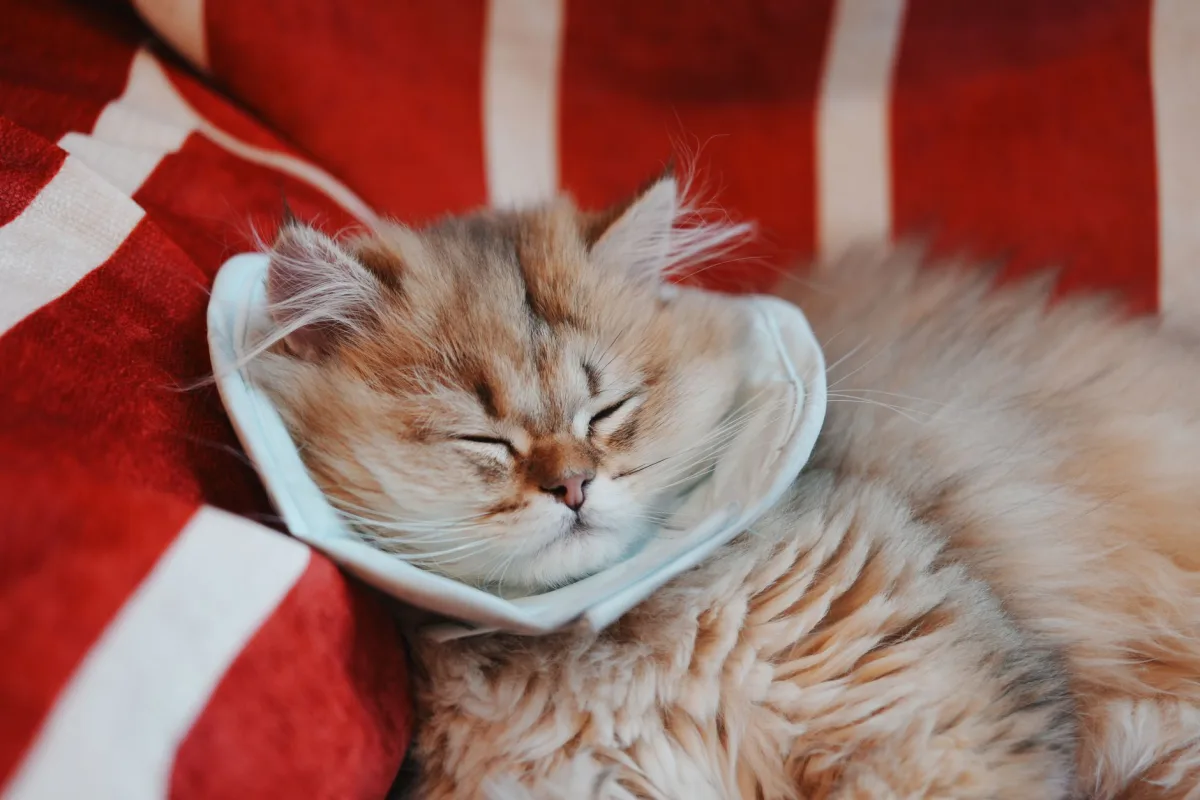
Postoperative period (including neutering) Clumpy and dusty sand should be left temporarily. Small grains and dust may stick to the fresh stitch area, creating a risk of irritation and infection. Standard recommendation during this period paper based pellet sand or using cut paper; Your veterinarian may make a different recommendation and his instruction takes precedence. Usually, once the stitches are removed or the wound is completely closed, the patient returns to normal bed—spread the transition over several days.
Your veterinarian's instructions are the priority. Recommendations vary depending on the type of surgery, incision location, and recovery progress. This article provides a general framework and does not replace the discharge instructions.
Why change sand?
- Don't stick to the seam. Fine grains and dust adhere to the moist seam area.
- Risk of infection. It is in contact with sand, urine and fecal residue; It is not desired to move it to an open wound.
- Clumping. Sand, which hardens in contact with liquid, may cause discomfort in the wound area.
- Licking behavior. As the cat licks the area, it also picks up the sand.
- Dust. The airways may be more sensitive for a while after anesthesia.
Suitable alternatives
| Choice | Advantage | Disadvantage |
|---|---|---|
| Paper based pellet sand | Nearly dust-free, non-clumping, soft | Poor odor control, saturates quickly |
| Cut paper (strips) | Cheap, readily available | Absorbency is low, frequent replacement is required |
| Paper towel | Short term solution | Does not retain liquid, frequent change |
| Pine pellet (large) | Low dust, coarse grain | Resin smell bothers some cats |
| Clumping clay sand | — | Not recommended during this period |
| Crystal (silica) | — | Hard and angular, not recommended |
Practical tip: If you know the surgery date, use paper-based sand. previously Take it and start acclimating the cat by adding it to the container a few days before surgery. A sudden litter change on the day of surgery may cause the already stressed cat to reject the bowl.
Container and media layout
- Use a low entry containerIt should be able to enter and exit the suture area without straining it.
- Place the container nearbyClose to the room where the cat rests; Don't walk long distances.
- Thin the sand layerDuring this period, deep sand is not required; A thin layer is sufficient.
- Clean more oftenA clean container reduces the risk of contact with the wound.
- Keep the environment calmIt may be necessary to temporarily separate them from other cats.
- Prevent climbingLimit climbing to high places.
- Do not remove the collarIf the veterinarian recommends it, the protective collar should remain on; If the cat has difficulty getting into the bowl with the collar, make the bowl larger.
Follow up during this period
The post-operative litter box is where recovery is monitored:
- Is he urinating? You should be informed not to urinate in the first 24 hours after surgery.
- Is he defecating? There may be a delay of one or two days after anesthesia; If it persists, consult your veterinarian.
- Is there blood? See blood in the litter.
- Is it difficult? Staying in the container for a long time, loud meowing.
- Is the stitch area clean? Report any redness, swelling, or discharge immediately.
- Does he use the container? If there is avoidance, container access or pain should be questioned.
Call your veterinarian immediately: Opening, discharge or significant swelling at the seam; not urinating for 24 hours; constant vomiting; marked weakness or loss of appetite.
International Cat Care And Cornell Feline Health Centerstates that keeping the incision area clean and dry in the postoperative period is the basic condition for healing.
Back to normal
Once your veterinarian gives approval (usually when the stitches are removed or the wound is completely closed), you can return to your normal litter. Do not make the transition suddenly:
- 1-2. dayOne quarter of the container is normal sand, the rest is paper sand.
- 3-4. dayBy half.
- 5-6. dayThree quarters normal sand.
- day 7Totally normal sand.
For details of migration method switching brands See our article. Choosing a low-dust and perfume-free sand when returning to normal is also suitable for post-healing sensitivity — cat litter from olive pits It has these two features and is 100% natural.
The recovery period is short but affects habits: a cat that has difficulty using the bowl during these weeks may also hesitate afterwards. That's why it's important to choose a familiar, perfume-free and dust-free floor when returning to normal — cat litter from olive pits This is a suitable sand for transition.
Post-healing routine
After the wound is closed perfume-free and dust-free olive pit cat litter You can return gradually.
single 8 L natural cat litter compact 7.5 L natural cat litter All cat litter types
Frequently asked questions
Which cat litter should be used after surgery?
Paper-based pellet litters are the standard recommendation; It does not clump and is close to dust-free. Your veterinarian's instructions take priority.
Should I change the litter box after neutering?
Usually yes. Clumped and dusty sand is left temporarily to prevent sand from sticking to the seam area. Your veterinarian determines the duration.
How long should paper sand be used after surgery?
Usually until the stitches are removed or the wound is completely closed. The exact duration is determined by your veterinarian based on the type of surgery and recovery progress.
My cat does not use the litter box after surgery, what should I do?
Make sure the container is low-entry, close and clean; If the protective collar makes entry and exit difficult, enlarge the container. If he is not urinating for 24 hours, call your veterinarian.
How should I go back to normal sand?
Gradually, over a week. First mix it in a quarter ratio, increasing the ratio every few days.
Related articles
Tags for this post

The team that produces sand in our production facility in Ayvalık turns the most frequently asked questions in the field into a guide. Health-related sections are general information; It is not a substitute for a veterinary examination.