No, it is not recommended. Cat litter from olive pits It is biodegradable, but that does not make it “flushable”. The granules do not completely disperse in water; It may accumulate in pipe bends and siphon and cause blockage. Additionally, parasites in cat feces (especially Toxoplasma gondii) may not be completely removed by standard wastewater treatment processes. Correct method: put the pellets in a biodegradable bag and dispose of them in household waste.
The label “biodegradable” connotes “then I can flush it down the toilet” for most people. This is a common misconception and can harm both your plumbing and the environment. In this article we explain the reasons and the correct disposal method.
Why shouldn't it be flushed down the toilet?
1. Plumbing risk
Olive pit granules have a hard and dense structure. It is insoluble in water and only decomposes over time. Even if they pass the siphon, they accumulate in pipe bends; Each new casting that comes upon it enlarges the accumulation. The result is a costly blockage that often occurs months later.
2. Lumps do not disperse
By definition, the purpose of a clumping sand is not to disperse in the liquid. This feature, which is useful in the sandbox, is reversed in the installation.
3. Risk of interference
Toxoplasma gondii Its oocysts are durable and can pass through standard wastewater treatment processes. This is a public health issue, especially in areas where treated water enters seas and lakes. Details about Toxoplasma: toxoplasma and cat litter. For general information World Health Organization You can look at the sources.
4. Septic tanks
In systems that are not connected to the grid, the situation is more critical: sand granules precipitate and accumulate in the tank, increasing the frequency of emptying.
This rule applies to all types of sand. Bentonite hardens like cement in the installation, crystal sand does not dissolve at all, and corn and wheat sands swell. Even for products bearing the phrase "can be flushed down the toilet", it is necessary to check local infrastructure rules.
What does it mean to be biodegradable?
Biodegradability of the material in favorable conditions It means that it can be decomposed by microorganisms. These conditions typically require oxygen, moisture, temperature, and time—the inside of a sewer pipe does not provide these conditions.
| Environment | Decomposition | Is it suitable? |
|---|---|---|
| Sewer pipe | Barely any | No — risk of clogging |
| Septic tank | Too slow | No — accumulates sediment |
| Landfill (garbage) | It's slow but it happens | Yes — standard method |
| Compost (sand without feces) | It happens | Partially — for ornamental plants |
So biodegradability is a real advantage but when it goes to waste comes into play: unlike plastic or clay-based sand, it dissolves into nature over time. subject What is biodegradable cat litter? We detailed it in our article.
Correct throwing method
- Separate lumps and solid wasteTake the scoop daily. Leave the clean sand in the container.
- Use biodegradable bagsIf possible, choose compostable garbage bags; The plastic bag delays the decomposition of sand.
- Close your mouth tightlyPrevents the spread of odor and dust.
- Dispose of to household wasteNot in the recycle bin, but in the regular trash.
- Wash handsIf you are not using gloves, wash them with soap after each cleaning.
Methods valid for all sand types How to dispose of cat litter We collected it in our article.
Can it be used in the garden?
Partially. Free of feces, only unused sand or sand that has only been in contact with urine can be used as mulch in the soil of ornamental plants. However, sand containing feces never should not be used in the vegetable garden or near edible plants — due to the risk of parasites.
For detailed evaluation Can cat litter be composted? See our article.
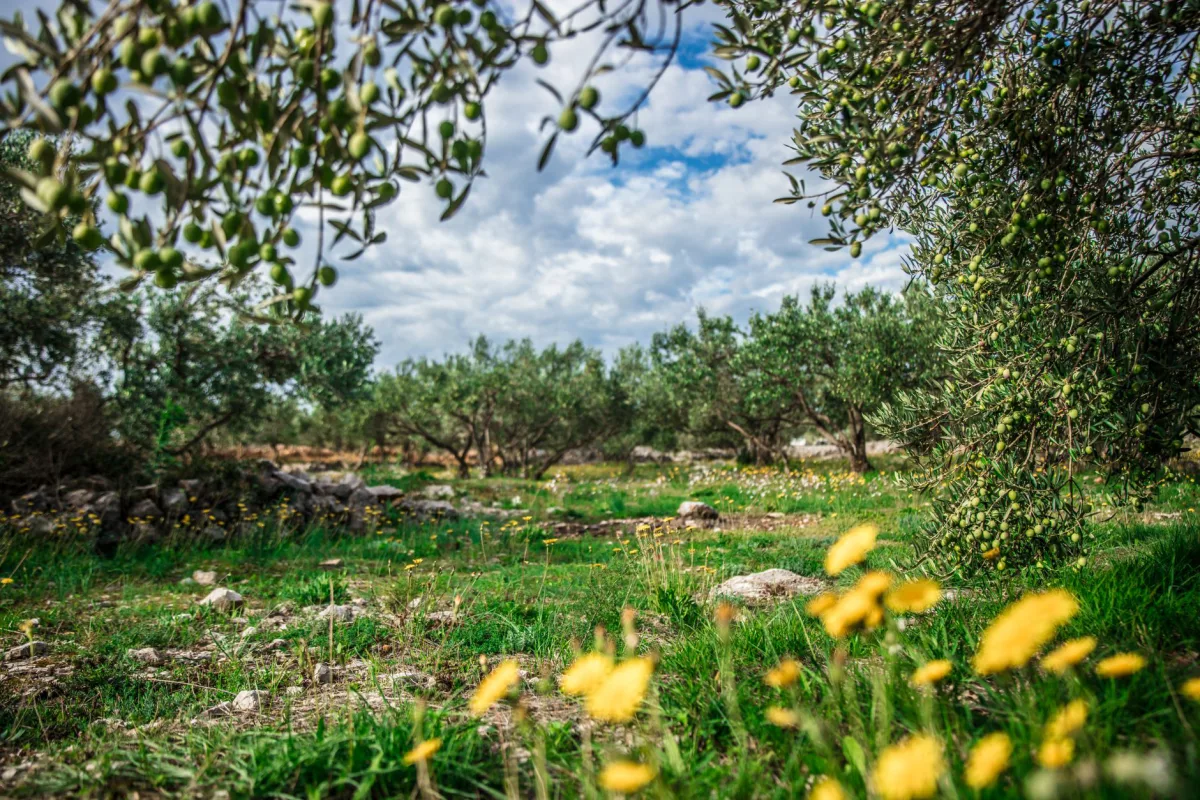
Cat litter from olive pits If you would like to examine our products: 8 L single, 8L 4-pack.
100% natural, biodegradable cat litter
Cat litter is produced from agricultural by-products instead of mining, which ends up in nature when it goes to waste.
Frequently asked questions
Can olive pit cat litter be poured into the toilet?
No, it is not recommended. The granules do not completely disperse in water and can accumulate in pipe elbows and cause clogging. Additionally, parasites in cat feces can pass through wastewater treatment.
Why can't biodegradable sand be flushed down the toilet?
Biodegradation occurs under appropriate conditions (oxygen, moisture, time). The sewer pipe does not meet these conditions; The material accumulates without decomposing.
How to dispose of used cat litter?
Lumps and solid waste are scooped out, preferably placed in a biodegradable bag, sealed and disposed of in household waste. It cannot be thrown into the recycle bin.
Can I use used cat litter in my garden?
Sand that does not contain feces can be used as mulch for ornamental plants. Sand containing feces should never be used in the vegetable garden due to the risk of parasites.
I have a septic tank, can I pour cat litter?
No. The risk is even higher with septic systems; Granules settle and accumulate in the tank, increasing the frequency of emptying.
Related articles
Tags for this post

The team that produces sand in our production facility in Ayvalık turns the most frequently asked questions in the field into a guide. Health-related sections are general information; It is not a substitute for a veterinary examination.